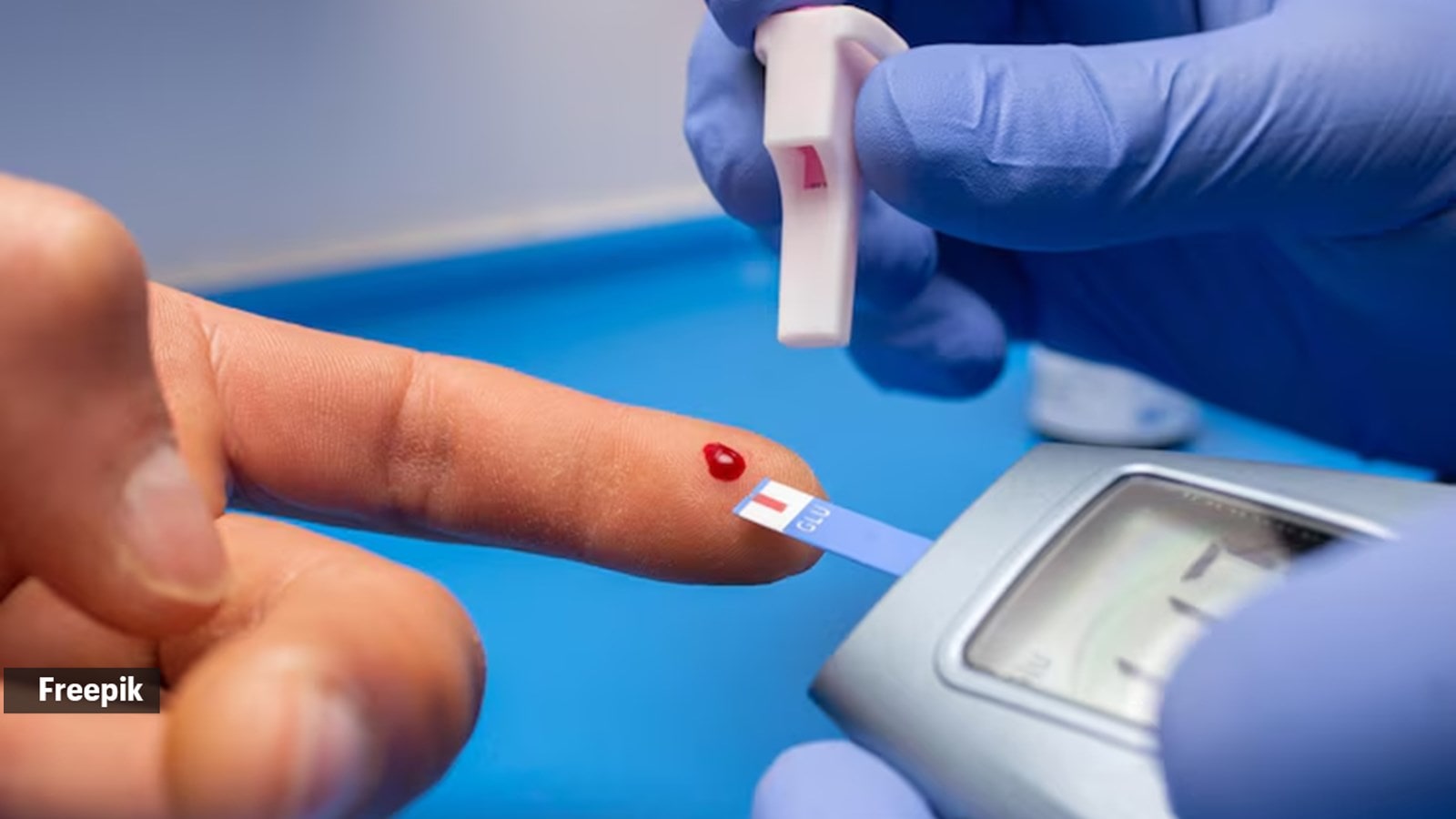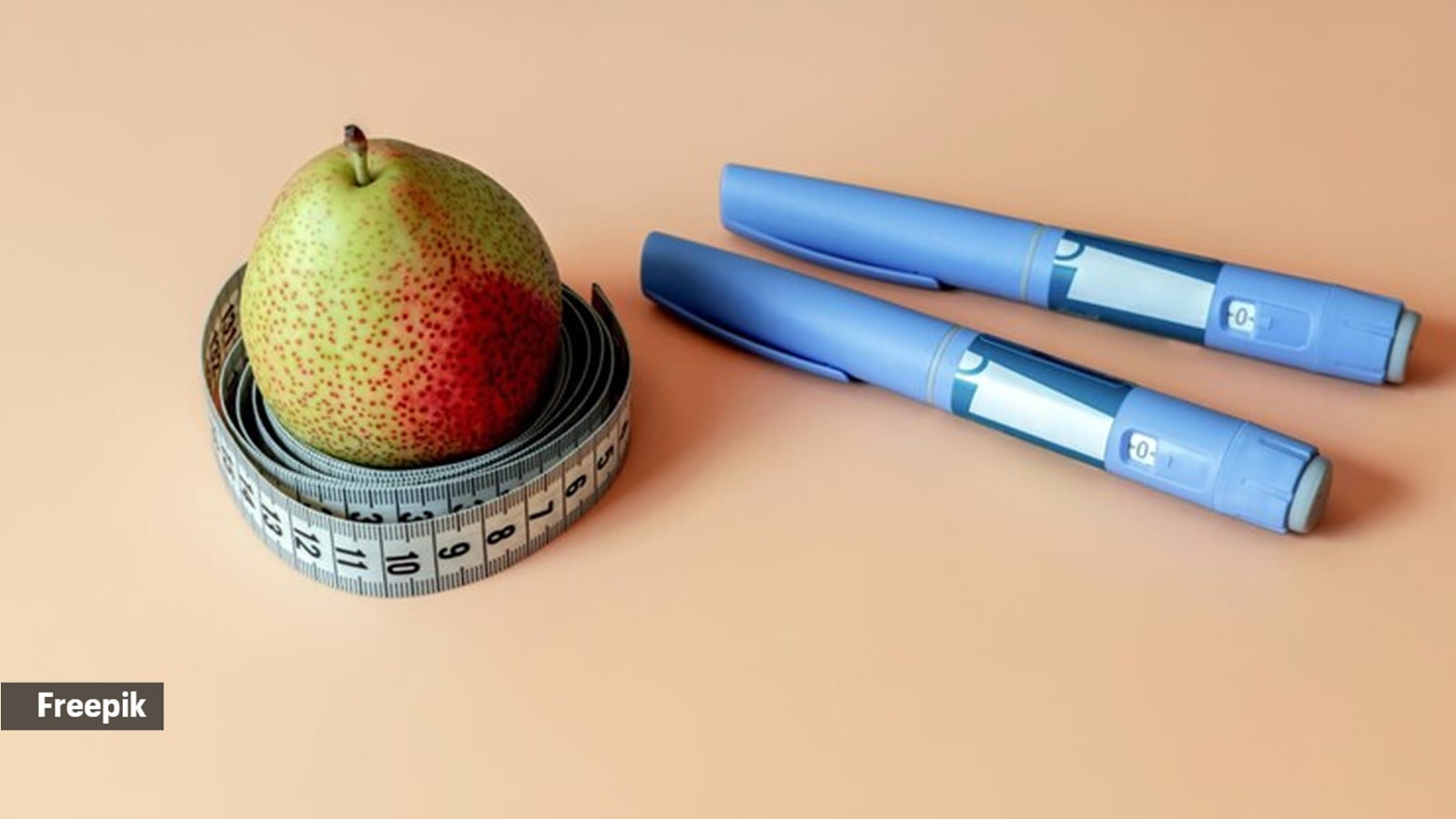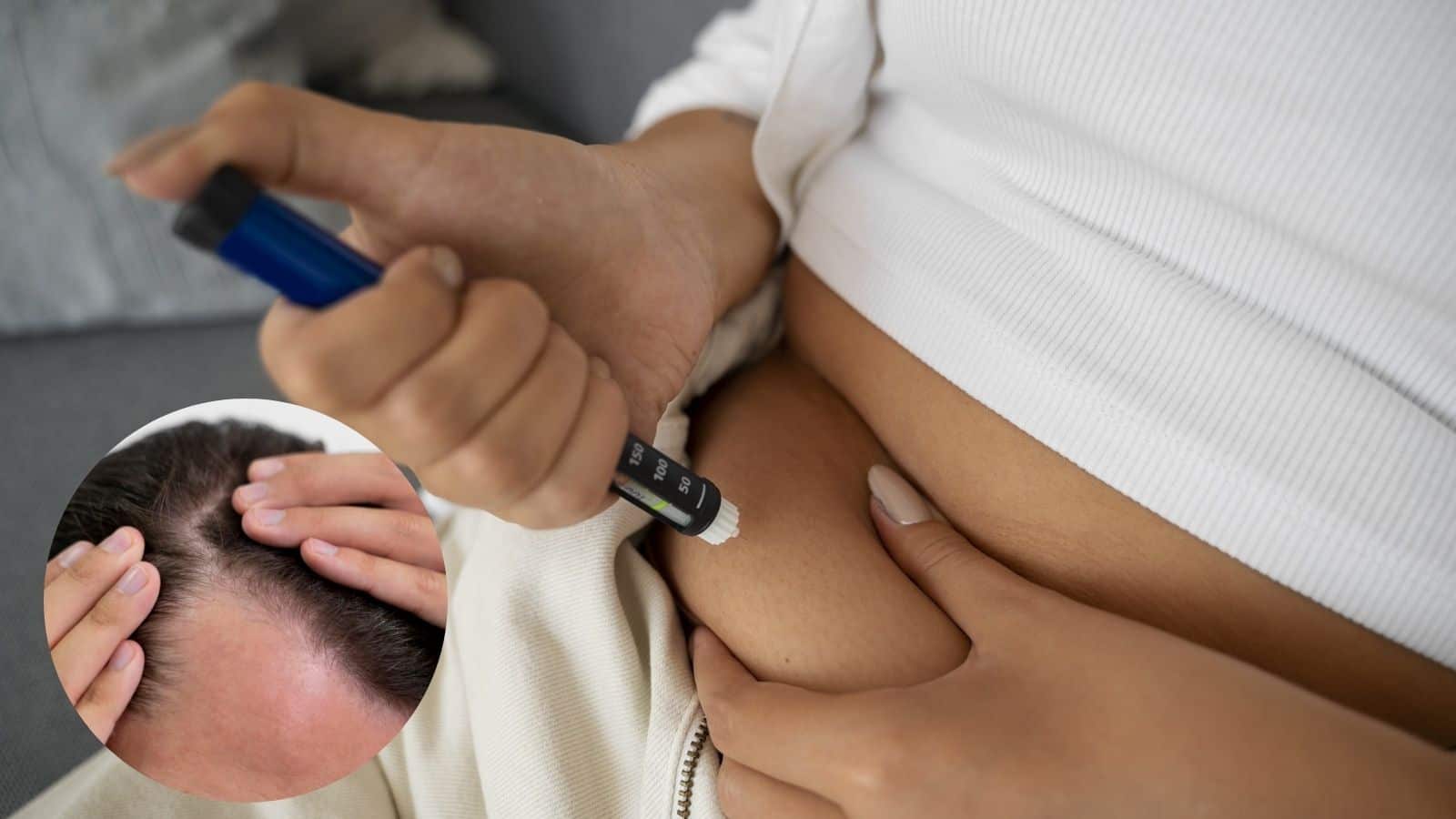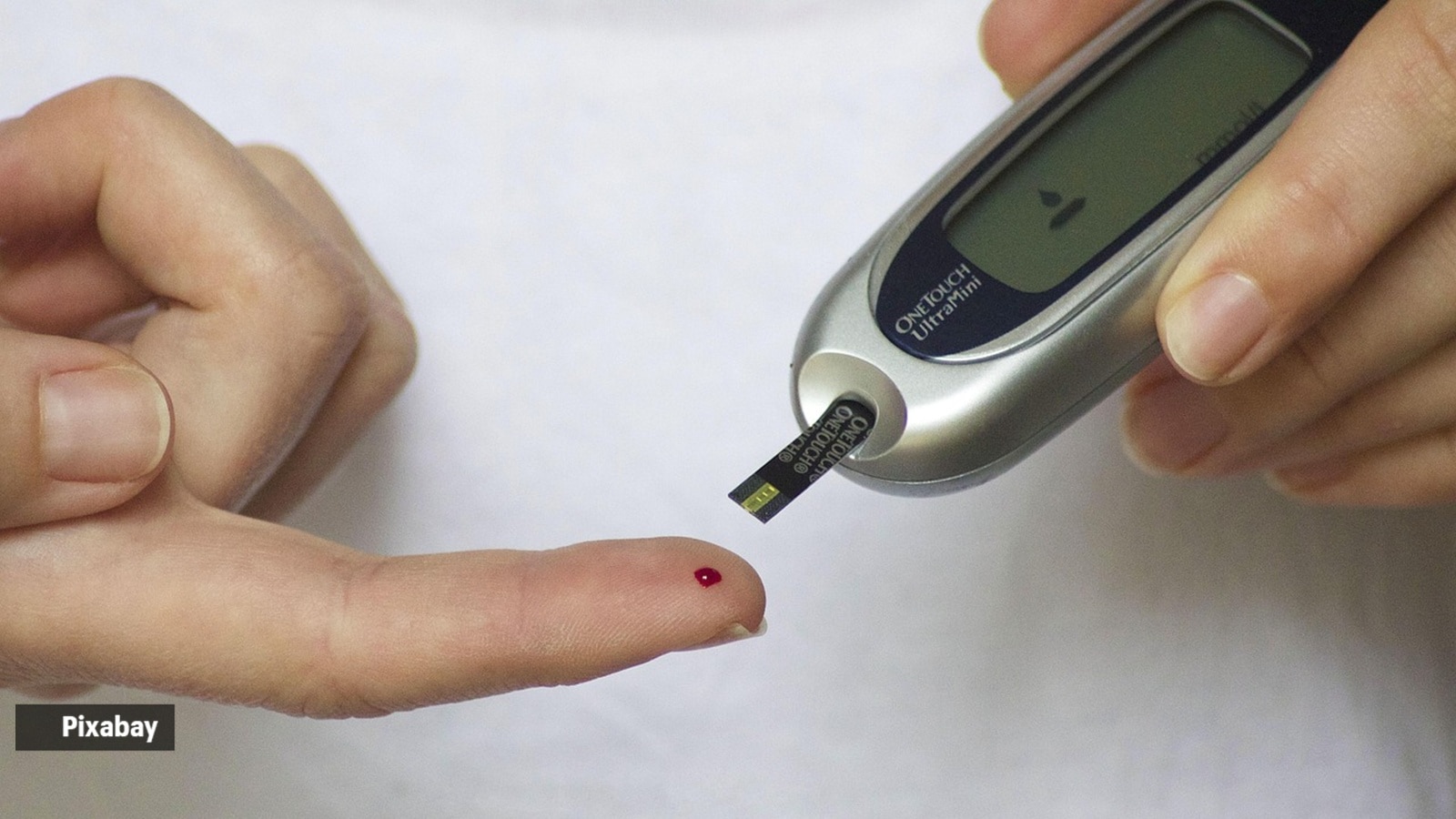


This year witnessed the launch of three major GLP-1, or injectable, medications for type 2 diabetes management in India, which also claim to have benefits for those grappling with obesity. The latest addition to the list is Ozempic (semaglutide) by Novo Nordisk, following the launch of Wegovy (semaglutide) in June 2025 and Mounjaro (tirzepatide) by Eli Lilly in March 2025.
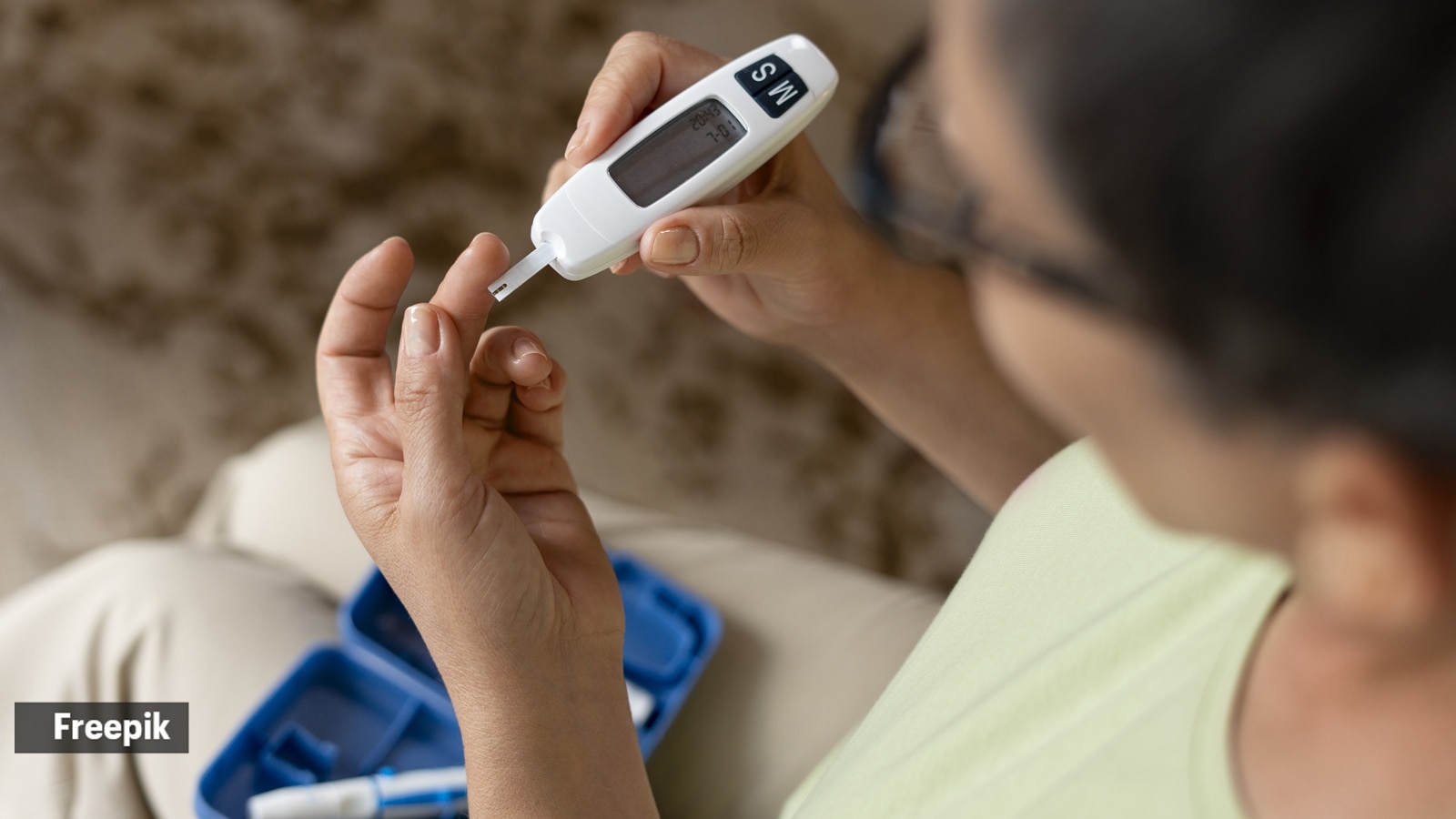
Dr Vijay Negalur, Head of the Department of Diabetology, KIMS Hospitals, Thane, noted that such injections help control blood sugar and reduce appetite. “These can lower diabetes risk indirectly,” he said.

While these weight loss injections may have dominated conversations, they also showed how lifestyle habits make or break metabolic stability, with many opening up about their personal experiences. As such, experts advise caution, considering that even such GLP-1 injections may not work unless lifestyle changes are made.
Metabolic coach Amit Baruna recently took to Instagram to share a case of a 52-year-old woman whose body was in “survival mode”, and even GLP-1 couldn’t help her. “She did everything but experienced no fat loss. She used Mounjaro for eight weeks, but there was no fat loss. Her metabolism was not slow; it was literally shut down. The strongest GLP drug needs a stable internal environment to work,” said Baruna.
So Baruna made the woman stop pursuing lifestyle changes. “We made her stop for two weeks. No intense training. We added 90 minutes of extra sleep to the morning routine. Some walk post-dinner. Targeted supplement. Only then does her metabolism respond. Not to pressure but to support,” said Baruna.
This case, as experts have continued to point out, highlighted a less-spoken-about aspect of weight loss drugs: medications alone are not enough. It is important to let the metabolism feel safe and adhere to lifestyle changes to see effective results.
Injections may provide a helpful boost for initial weight loss in some, but they are not a complete solution, said Dr Ramen Goel, Consultant Diabetes and Bariatric Surgeon, Wockhardt Hospitals, Mumbai Central. “Without changes in diet, exercise, and daily habits, the body often regains weight once the medication stops. Sustainable health needs a long-term lifestyle plan. Medications can support the process, but they cannot replace mindful eating, portion control, and regular physical activity,” said Dr Goel, who added that stress needs to be tackled.
Why 2025 was the year we finally talked honestly about ageing
Story continues below this ad
In non-surgical situations, combining injections with personalised nutrition plans, structured exercise routines, and ongoing monitoring leads to much better results than relying on medicine alone, said Dr Goel. “Patients who adopt these habits tend to keep the weight off and improve metabolic markers like blood sugar and cholesterol,” he added.
What helps?
Moderate daily exercise, cutting back on processed and sugary foods, managing stress, and getting seven to eight hours of sleep can all improve insulin sensitivity, said Dr Negalur. “Even small changes, like walking after meals or avoiding late-night snacking, can provide real benefits over time,” he added.
What to note after losing weight?
According to Dr Goel, the body changes metabolically after losing weight, which can slow progress if habits are inconsistent. “Keeping up with regular physical activity, balanced meals, adequate hydration, and consistent sleep help avoid rebound weight gain and support insulin sensitivity, heart health, and overall energy balance. Small, daily choices truly make a difference in long-term results,” said Dr Goel.
Dr Negalur said that relying only on medication is risky. “Consider injections as a starting point, not a solution. Establishing a routine that includes healthy eating, regular physical activity, and stress management supports long-term metabolic stability, protects the heart, and lowers the risk of diabetes and other metabolic issues,” he said.
Story continues below this ad
DISCLAIMER: This article is based on information from the public domain and/or the experts we spoke to. Always consult your health practitioner before starting any routine.