
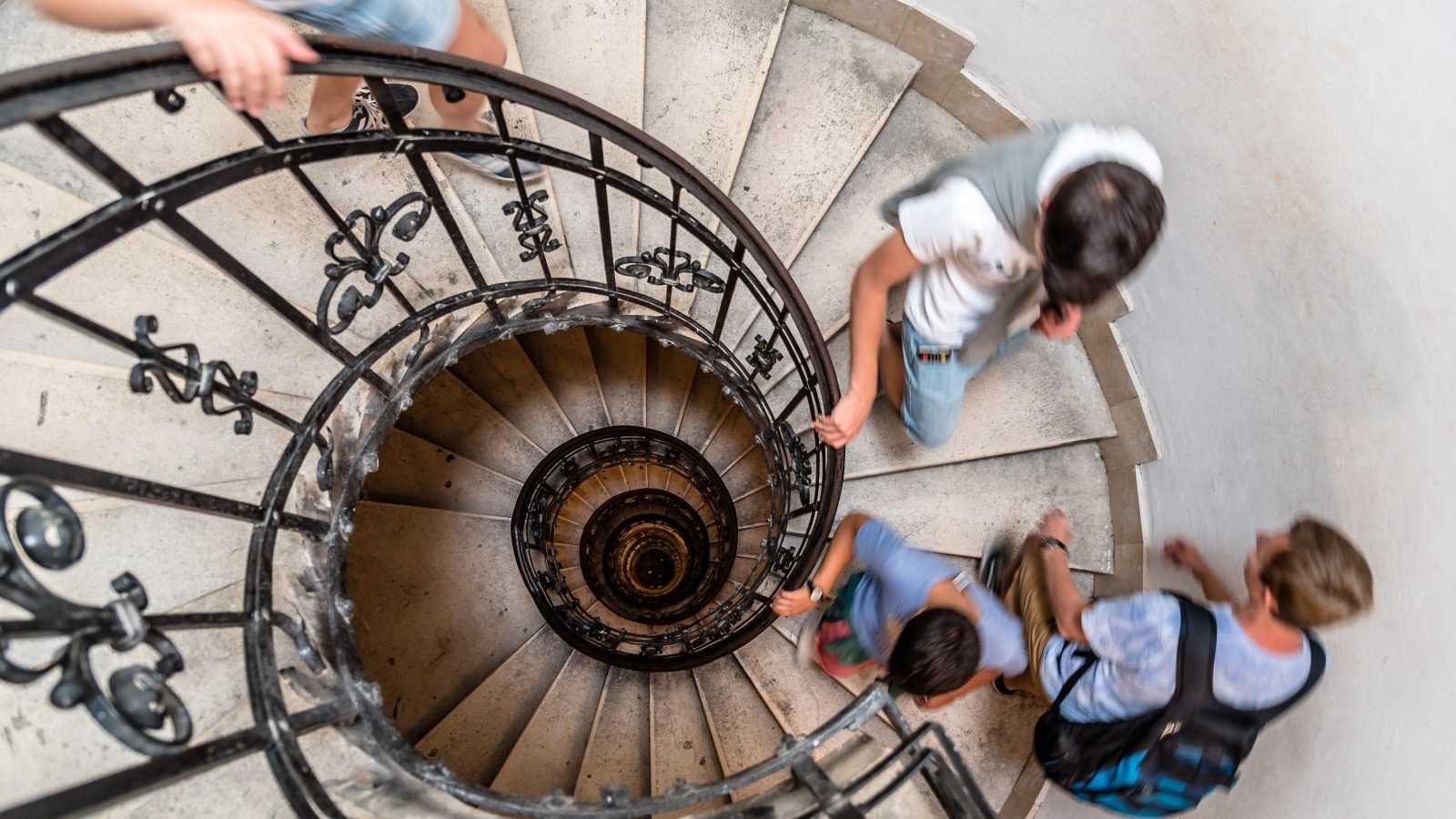
A person on Quora asked a question that many might wonder about: “Why can’t I differentiate between the end of one step and the start of the other when going down a staircase?” To find answers to this common experience, we reached out to neurologists and vision specialists who explained why stairs can feel uneven to some people.
Dr Pradyut Ranjan Bhuyan, Consultant Neurology at Manipal Hospital, Bhubaneshwar, said, “People often have difficulties determining the start of a staircase step versus the end of the previous step due to how depth perception depends on four components—visual clarity, contrast between staircase steps, light source, and the brain’s interpretation of what the eyes see.” He added, “When one or more of these conditions are disrupted, it becomes difficult for your eyes to judge how high each stair is compared to the one before. This usually causes uncertainty or insecure movements while walking down the stairs.”

However, Dr Bhuyan reassured, “Most people do not experience any serious health issue associated with this inability to see staircases correctly; but, there are several other factors that can also cause issues, including reduced contrast sensitivity, uncorrected refractive errors, or early changes in binocular vision.”
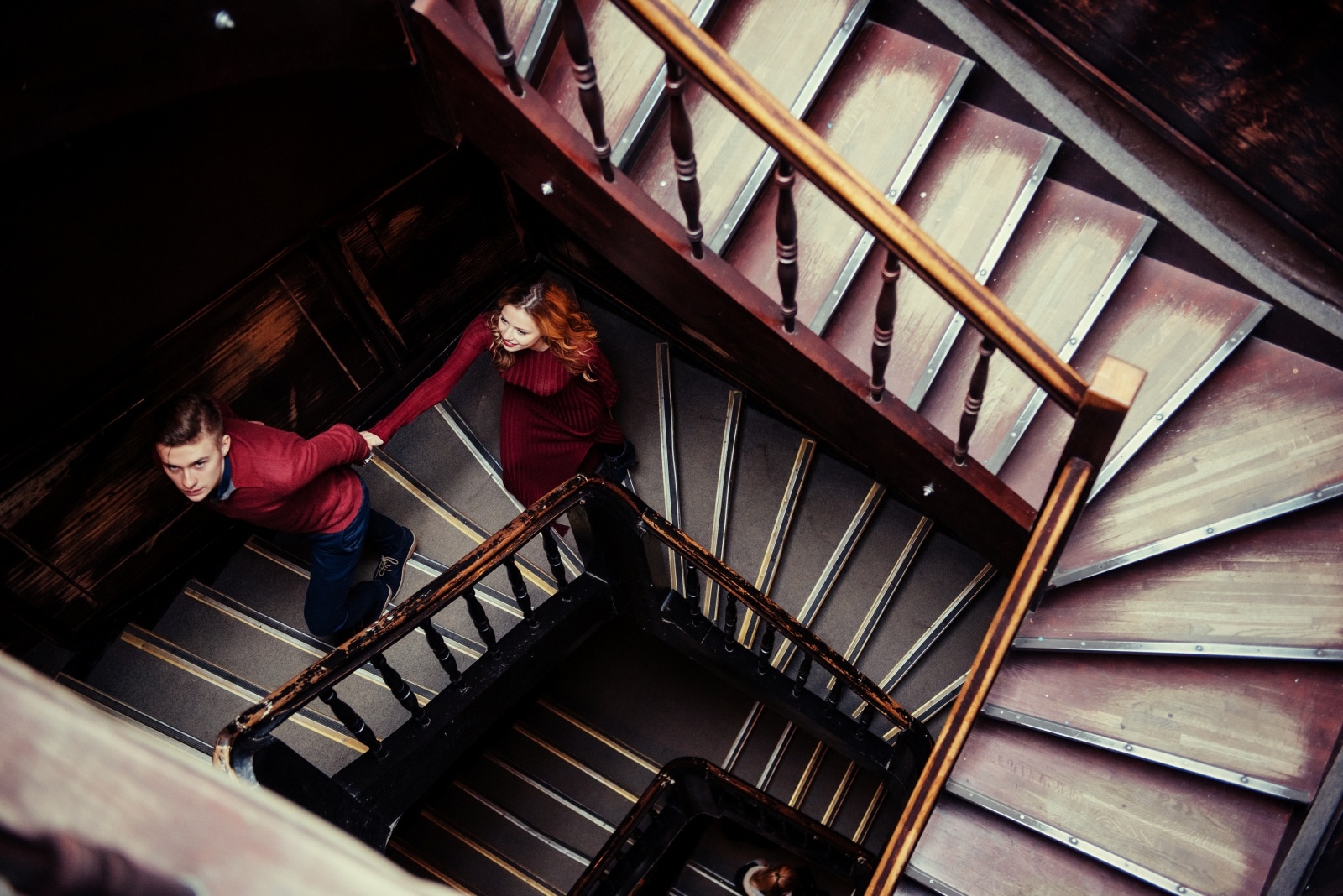 This can be either an eye-related problem or neurological/balance issue because the eyes and brain work together to interpret depth cues
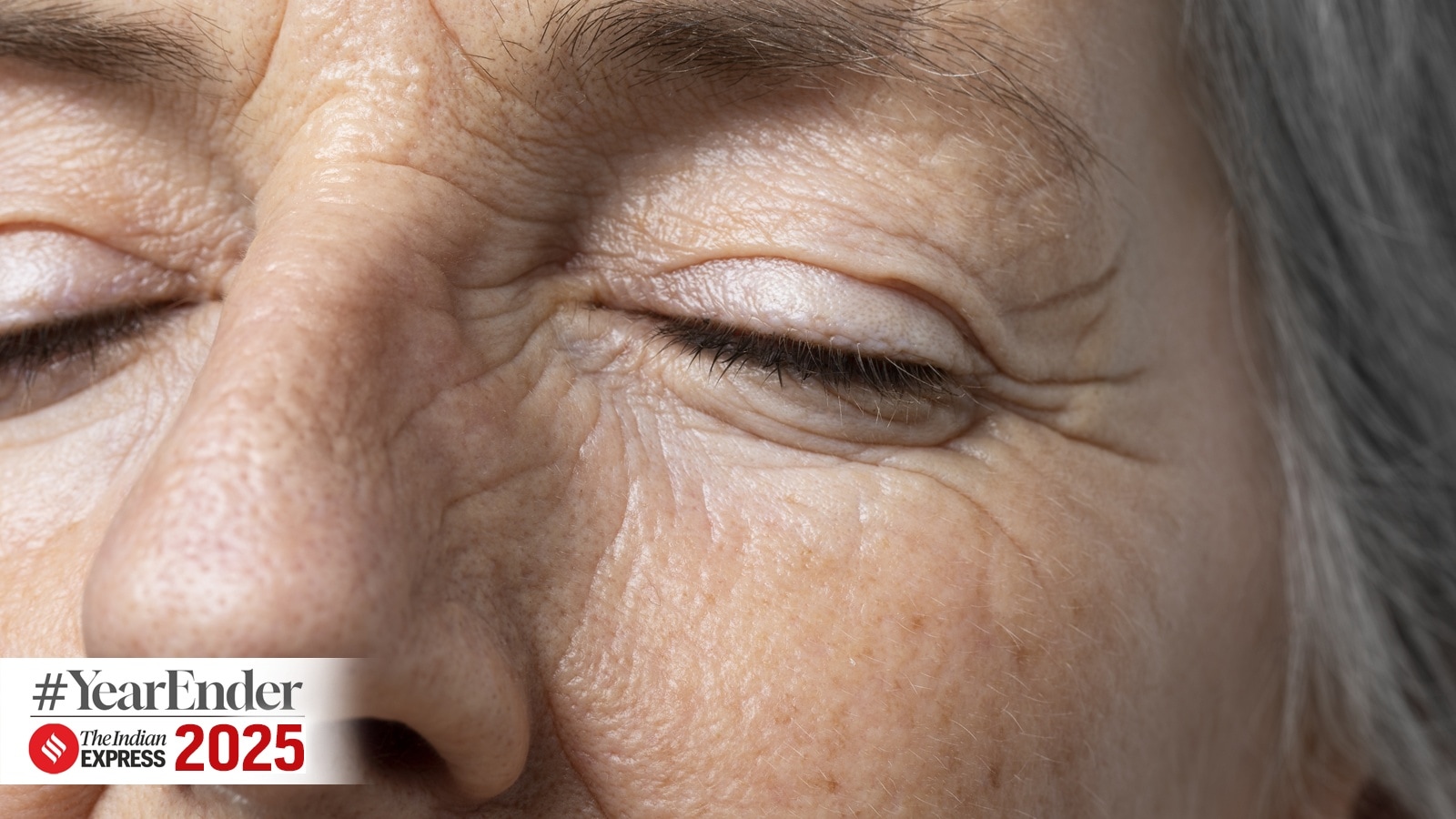
Dr B K Madhusudhan, Lead Consultant Neurology at Aster RV Hospital, Bangalore, further clarified, “Depth perception relies on both eyes working together (binocular vision) and on the brain merging the images into a 3-D view. When any part of this system is disrupted, judging steps becomes harder.” He noted that conditions like low vision, strabismus (crossed eyes), amblyopia (lazy eye), uncorrected refractive errors, or brain issues affecting visual processing can all affect one’s ability to see stair edges clearly. Injuries to the eye or optic nerves may also impact depth perception.
When it is no longer a vision issue
Dr Madhusudhan emphasised that “this can be either an eye-related problem or neurological/balance issue because the eyes and brain work together to interpret depth cues.” Visual cues are also necessary for maintaining balance through systems like the inner ear and spatial orientation. “Even with normal eye structure, problems in brain visual-processing pathways or balance systems can cause occasional misjudging of stairs,” he said.
For those who frequently misjudge stairs, Dr. Madhusudhan recommended eye tests such as stereopsis tests to check depth perception, cover tests and ocular-alignment evaluations for binocular vision, and contrast sensitivity tests to assess edge and shadow detection. If these tests are normal, neurological screening, vestibular/balance assessments, and gait and coordination checks help determine if the problem lies beyond vision.
Difficulty judging stair edges, thus, usually comes from a mix of reduced visual clarity, low contrast, or the brain misinterpreting depth cues. Since depth perception depends on both eyes and the brain working together, disruptions in either vision or balance systems can cause missteps. Eye tests — and if needed, neurological or balance checks — help pinpoint the cause.