

You are what you eat. And while pulses and cereals form an important part of one’s daily diet, they may also lead to some digestive issues like gas, bloating and constipation. However, that does not mean that you stay away from dals as they are an important source of protein and overall well-being.
Clinical dietitian and diabetes educator Malvika Fulwani shared that there are some key scientific factors that make a dal more digestible than another:

Antinutritional factors (phytic acid, lectins, protease inhibitors, tannins). These can interfere with enzymes. So pulses with lower levels or those processed to reduce them tend to be more digestible.
Processing: soaking, germination (sprouting), cooking, autoclaving (pressure cooking) improve digestibility significantly.
Starch structure: amylose vs amylopectin ratio, crystallinity, granule structure. Pulses with lower resistant starch, or more rapidly or slowly digestible starch rather than resistant starch, are “easier.”
So, which is the easiest dal to digest?
Mung bean (moong dal): Good starch digestibility; germination increases rapidly digestible starch (RDS) and slow digestible starch (SDS). Lower resistant starch after sprouting. Generally among the easier ones.
Chickpea: Higher antinutritional factors; digestibility less than mung / lentil in many settings, but improves a lot with soaking, cooking, sprouting.
Story continues below this ad
Pigeon pea (toor dal): Has lower digestibility relative to some others, especially for protein, and more resistant starch etc. Also improves with cooking etc.
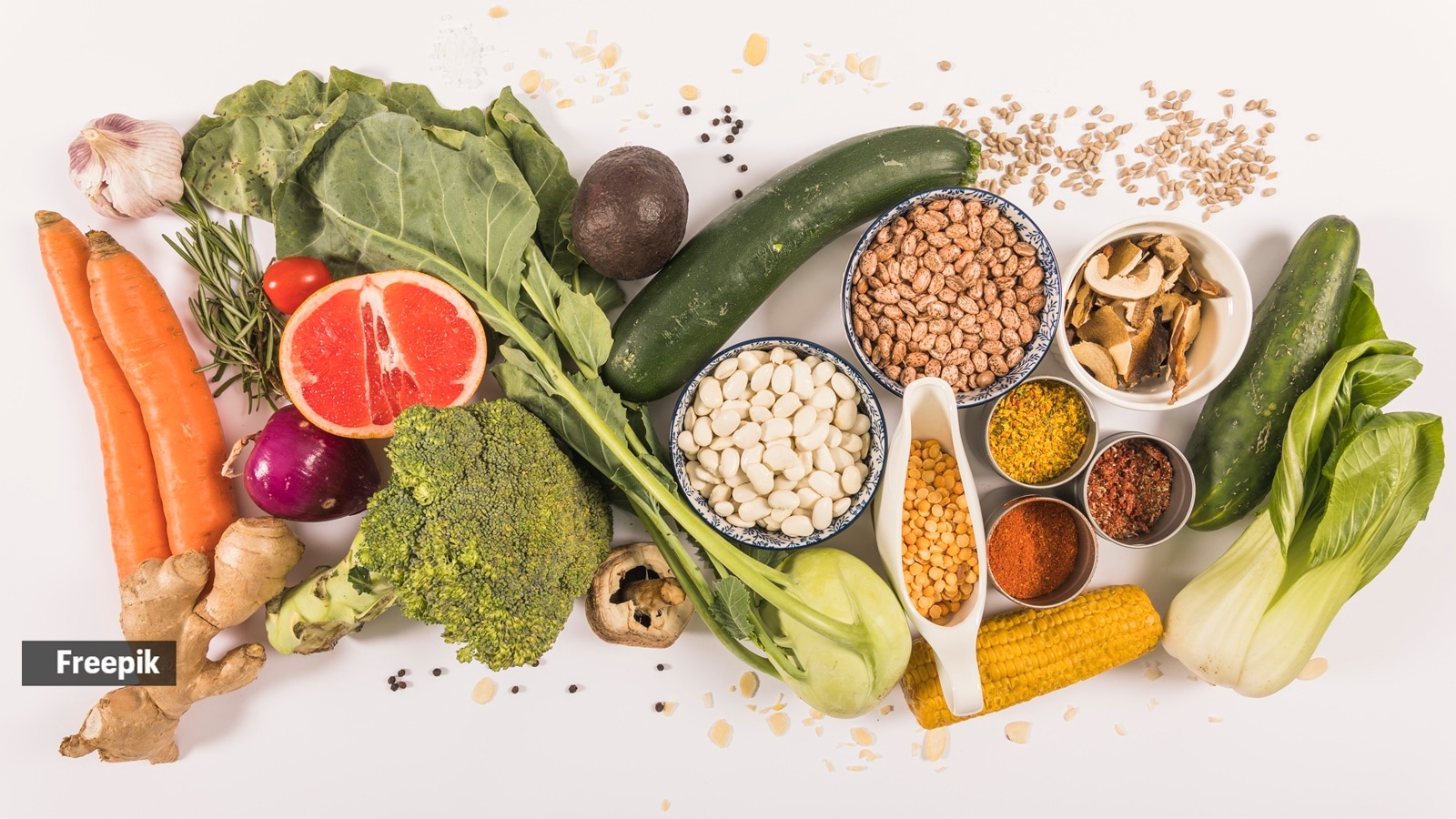
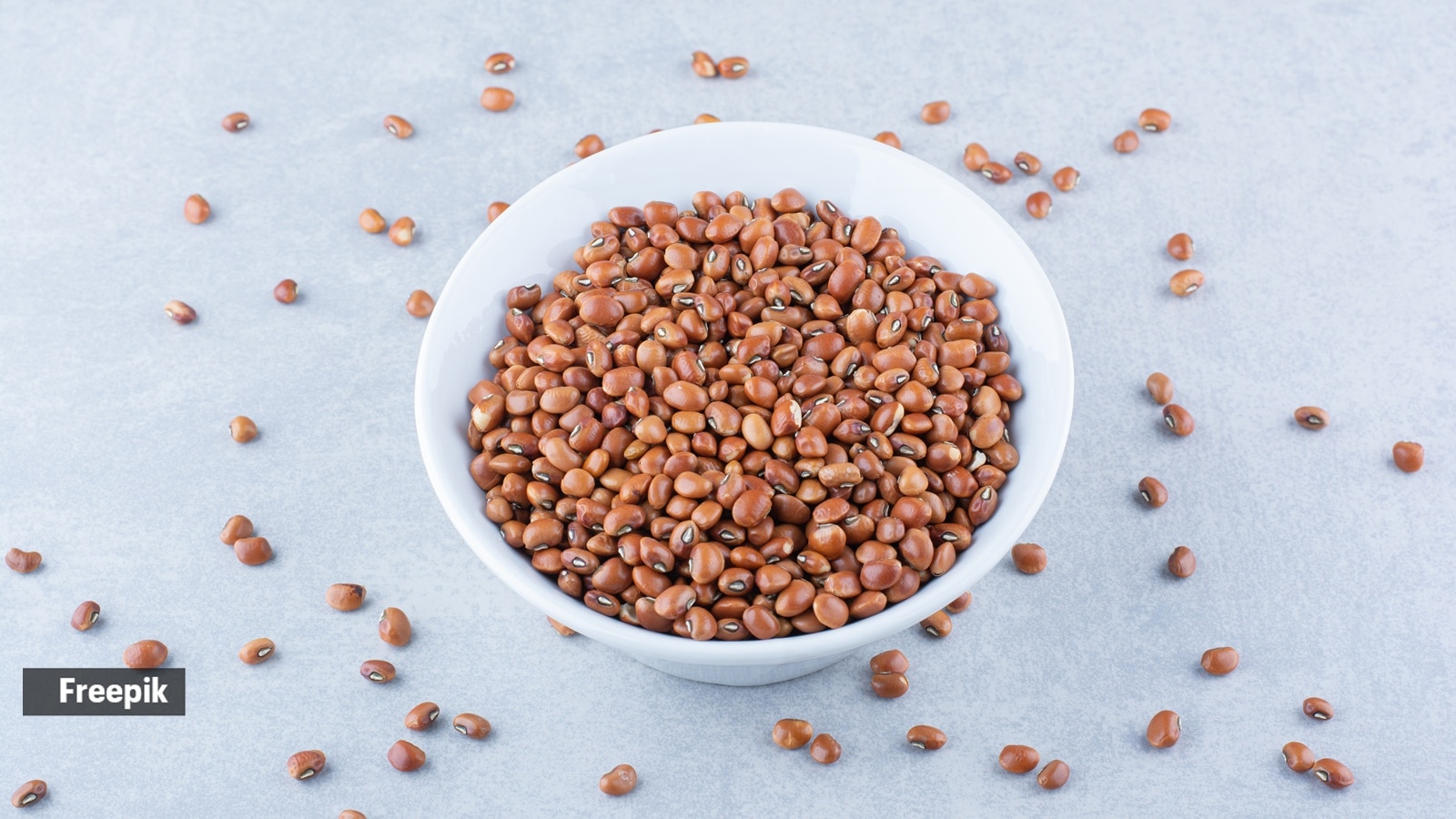
 Dals like chana, toor, and especially urad are heavier (Source: Freepik)
“Not all dals are created equal when it comes to digestibility. Moong dal and masoor dal are the gentlest on the stomach — their proteins and starches are easier to break down and they contain fewer antinutritional compounds. This is why moong khichdi is traditionally given to children, the elderly, and those recovering from illness,” said Fulwani.
On the other hand, dals like chana, toor, and especially urad are heavier because they carry more resistant starch and gas-forming oligosaccharides. These are nutritious, but can cause bloating or discomfort in sensitive individuals.
So if you’re looking for the lightest options, start with moong and masoor. “For stronger digestion or when paired with spices that aid gut comfort (like hing, cumin, or ginger), the heavier dals can absolutely be enjoyed as well,” she said.
Story continues below this ad
Here are 3 rules to have pulses:
1. Soak and sprout before cooking
2. Use right ratio of pulses and grains (1:3) / pulses and millets (1:2), in cooking
3. Have atleast 5 types of pulses/ legumes every week and in 5 different forms every month
Rule 1. Soaking and sprouting them before cooking, to reduce the anti-nutrients and allow for optimum enzyme action to break them down
Pulses are rich source of protein, vitamins and minerals, but it’s not quite easy to assimilate the amino acids from them. They naturally contain what is called as anti-nutrients, molecules that come in the way of nutrient assimilation. That’s why so many people have gas, bloating, indigestion etc., on eating them.
Rule 2. Mixing them with millets and grains to improve their essential to non-essential amino acid ratio. The ratio is 1:3 when you use it with rice and 1:2 when you use it with a mixture of millets and grains.
Story continues below this ad
The rationale behind this is that pulses and legumes lack an amino acid called methionine and grains lack lysine. Lysine is found abundantly in pulses but without the full profile of other amino acids like methionine, it cannot completely carry out its functions. It plays a role in –
– Antiageing – prevents premature greying
– Bone mass – preserves it, strengthens it
– Immunity – helps build antibodies when under attack
Rule 3. Having a wide variety of pulses and having them in different forms to optimize intake of all nutrients.
India has more than 65000 varieties of pulses and legumes. A wide variety of pulses (atleast 5 different types in a week) when eaten in different ways (as dal, papad, pickle, idli, dosa, laddoo, halwa, etc.) ensures that we get the diet diversity needed for healthy gut bacteria.
Story continues below this ad
DISCLAIMER: This article is based on information from the public domain and/or the experts we spoke to. Always consult your health practitioner before starting any routine.