

Divyanka Tripathi, 41, opened up about being diagnosed with a deviated septum, a nasal passage issue that blocks airflow while one is fast asleep. Sharing that she uses a nose strip before sleeping, the actor said, “I have started using it recently because I have got a deviated septum, so when the nose is blocked at night, I struggle to breathe. This opens up my nose.”
Taking a cue from her revelation, let’s understand what a deviated septum is and how it can affect your sleep.

Dr Sheetal Goyal, a consultant neurologist at Wockhardt Hospitals, Mumbai Central, said that a deviated nasal septum is common and often goes unnoticed. “However, for some people, it can block airflow through the nose, causing mouth breathing, snoring, trouble sleeping, and a constant feeling of breathlessness, especially at night. Although it isn’t life-threatening, its effect on sleep quality is important,” said Dr Goyal.
When nasal airflow is restricted, the body compensates by breathing through the mouth. “This increases the vibration of soft tissues in the throat, leading to snoring. Over time, chronic nasal obstruction can worsen sleep-related breathing issues,” explained Dr Goyal.
Do nose strips actually help?
Nasal strips or patches can provide temporary relief for mild cases, said Dr Goyal. “They work by mechanically opening the nasal passages and improving airflow. However, they do not fix the underlying structural issue. If symptoms continue despite using patches, it’s important to get a medical evaluation.”
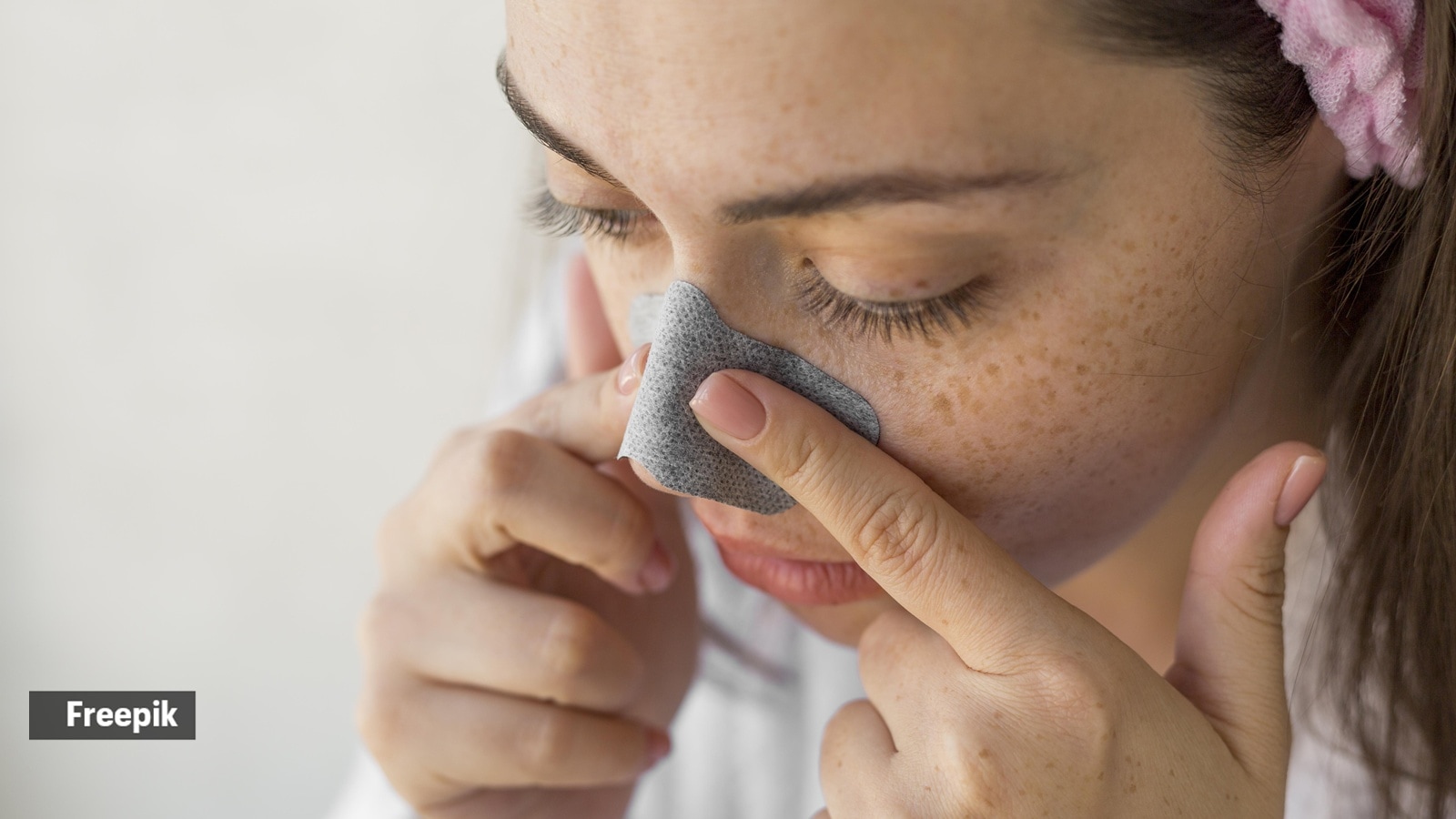 Have you ever used nasal strips? (Photo: Freepik)
What to note?
A deviated septum alone may not cause sleep apnea, but it can make it worse or contribute to it by increasing airway resistance, said Dr Goyal. For people already at risk for OSA or Obstructive Sleep Apnea, nasal blockage can worsen symptoms and reduce tolerance to treatments like CPAP or Continuous Positive Airway Pressure, she added.
Poor sleep quality harms brain health. According to Dr Goyal, it can lead to memory problems, mood changes, reduced alertness, and, over time, increase the risk of high blood pressure, stroke, and metabolic disorders. From a neurologist’s view, sleep is essential for brain function.
Story continues below this ad
Don’t self-diagnose or rely only on temporary fixes. “If breathing problems, snoring, or sleep disruptions continue, consult a specialist. A sleep study and ENT evaluation can help determine if simple measures, medical therapy, or surgeries are necessary.”
DISCLAIMER: This article is based on information from the public domain and/or the experts we spoke to. Always consult your health practitioner before starting any routine.