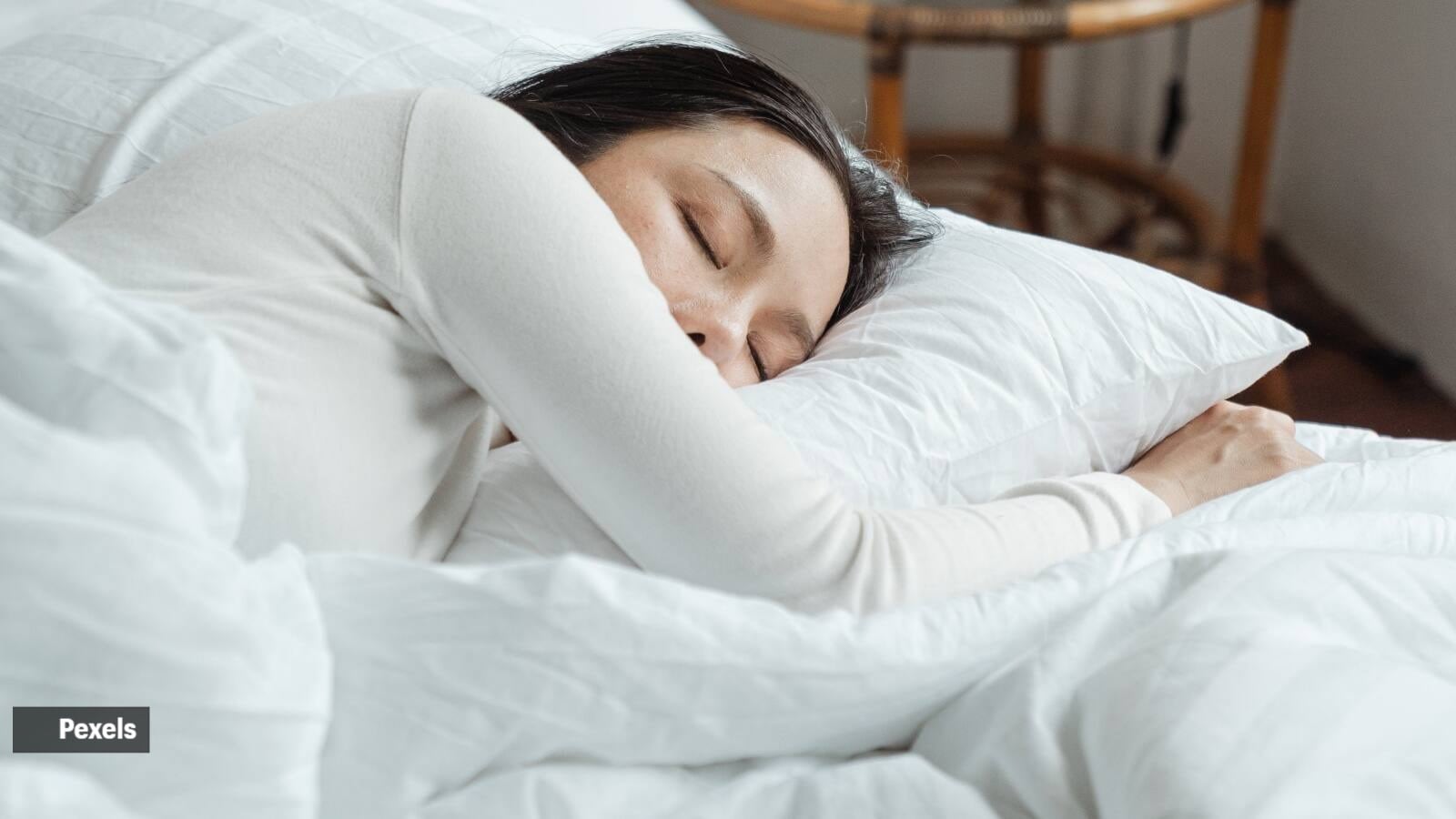


Everyone has a favourite sleeping position, the one that instantly puts them to rest. For some, it might be curling up into a comfy ball, while others might doze off peacefully in a sideways linear position. One such popular sleeping position is lying on the stomach. But is it an ideal choice? This sleeping habit can have several effects on the body, both positive and negative. According to Dr Sunil Kumar K, Lead Consultant – Interventional Pulmonology, Aster CMI Hospital, Bangalore, exclusive stomach sleeping keeps the body in an unnatural posture for long hours, affecting everything from the spine to digestion.
Story continues below this ad
Neck, spine and posture take the first hit
If someone sleeps only on their stomach for 8 hours every night for 30 days, short-term effects can include neck pain, shoulder discomfort and back stiffness. “Because the neck remains twisted to one side for many hours, the spine stays misaligned, which may also cause tingling or pressure in the lower back,” explains Dr Sunil. Over the long term, he adds, this can lead to chronic neck pain, increased lower-back strain, poor posture, muscle imbalance, and even tightness in the chest that pulls the shoulders forward during the day.

 Sleeping on the stomach can sometimes lead to unwanted neck sprains (Photo: Pixabay)
Effect on breathing, digestion and blood circulation

Sleeping face down compresses the chest and abdomen, which can make breathing shallow. “Prolonged stomach sleeping can reduce deep breathing and oxygen flow. It may also worsen acidity because pressure is placed directly on the abdomen,” Dr Sunil notes. He further explains that circulation may slow in the arms or legs as nerves and blood vessels are compressed by body weight. The position may reduce snoring for some, but a strained neck posture can worsen sleep apnea or cause long-term discomfort.
Story continues below this ad
Higher risk of nerve compression and chronic pain
Thirty days of stomach sleeping can also increase the risk of nerve compression and repeated numbness. Dr. Sunil says this happens because the neck and lower back are forced into strained positions — the neck turned to one side, the lower back deeply arched. Over time, this pressure can irritate nerves, leading to tingling, chronic stiffness, joint irritation, and discomfort that persists during daytime activities.
How to break the habit safely
For those who want to shift away from stomach sleeping, Dr Sunil recommends simple, practical steps. Repeating these cues every night helps the body adjust slowly and form a healthier sleep pattern.
- Use a supportive pillow under the knees to make back sleeping easier.
- Place a firm pillow beside the body to prevent rolling onto the stomach.
- Choose a medium-firm mattress that supports the spine.
- Opt for a thin pillow — or none — under the head to reduce neck strain.
- Use a body pillow for comfort and to retrain posture.
- Try a rolled towel under the lower back for gentle support.
- Shift gradually to side sleeping with a pillow between the knees.
DISCLAIMER: This article is based on information from the public domain and/or the experts we spoke to. Always consult your health practitioner before starting any routine.