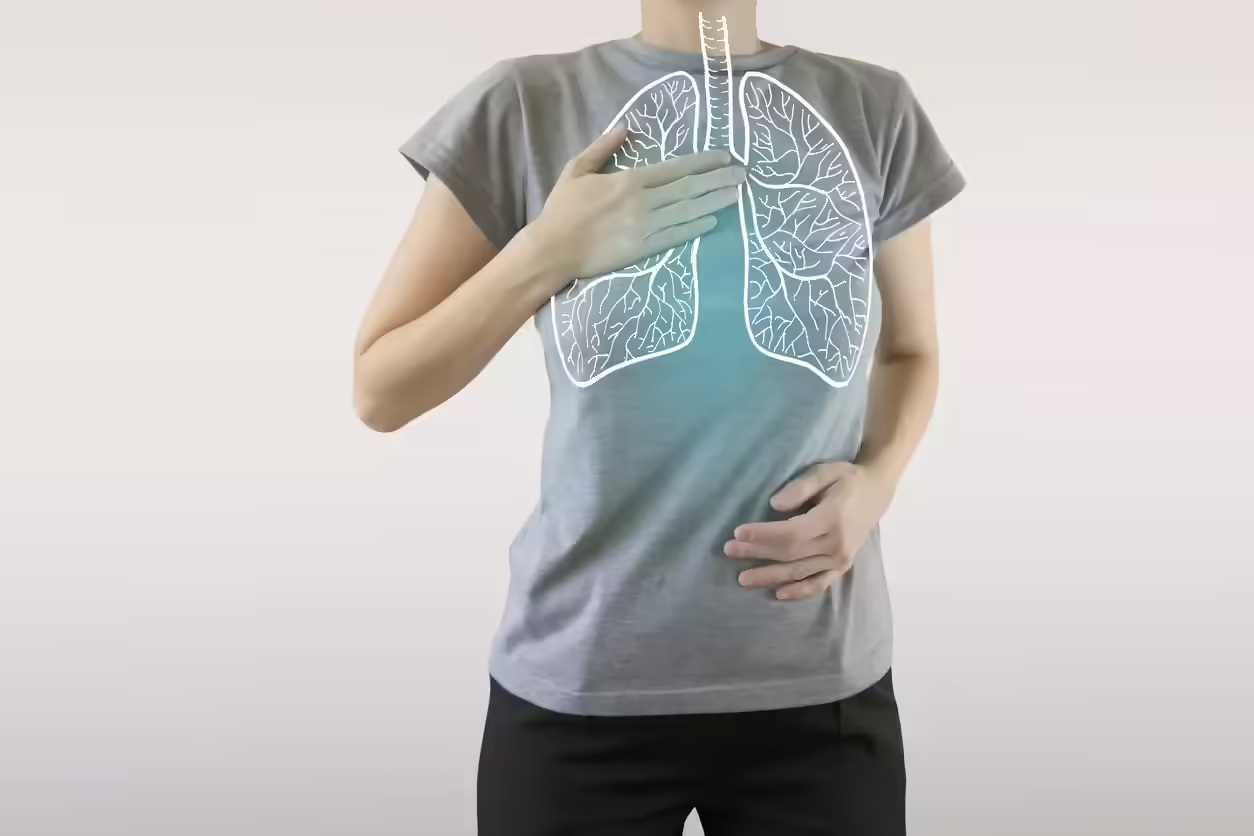


Winter can be particularly challenging for people with asthma, with cold weather often triggering flare-ups and breathing discomfort. To understand why this happens and how asthmatics can stay safe during the colder months, we spoke to Dr Sunil Kumar K, Lead Consultant – Interventional Pulmonology at Aster CMI Hospital, Bangalore. “Many times, asthma symptoms increase during the cold season,” says Dr Sunil, explaining that cold air directly affects sensitive airways, as “it can be very irritating to the airways, and it even causes the airways to be narrowed further.” Winter air is also dry, which worsens respiratory irritation and leads to coughing and wheezing in many patients.
Lifestyle changes during winter add to the risk. People tend to stay indoors more, increasing exposure to respiratory infections. “Cold and flu, which are viral infections, are more common in winter and thus easy triggers of asthma attacks,” he explains. Reduced sunlight exposure during winter may also lead to lower vitamin D levels, which can affect immunity. Dr Kumar also highlights the impact of temperature shifts, noting that “sudden changes in temperature, such as when going from a warm room to a cold outside, can also be very stressful for the sensitive airways and intensify asthma symptoms.”

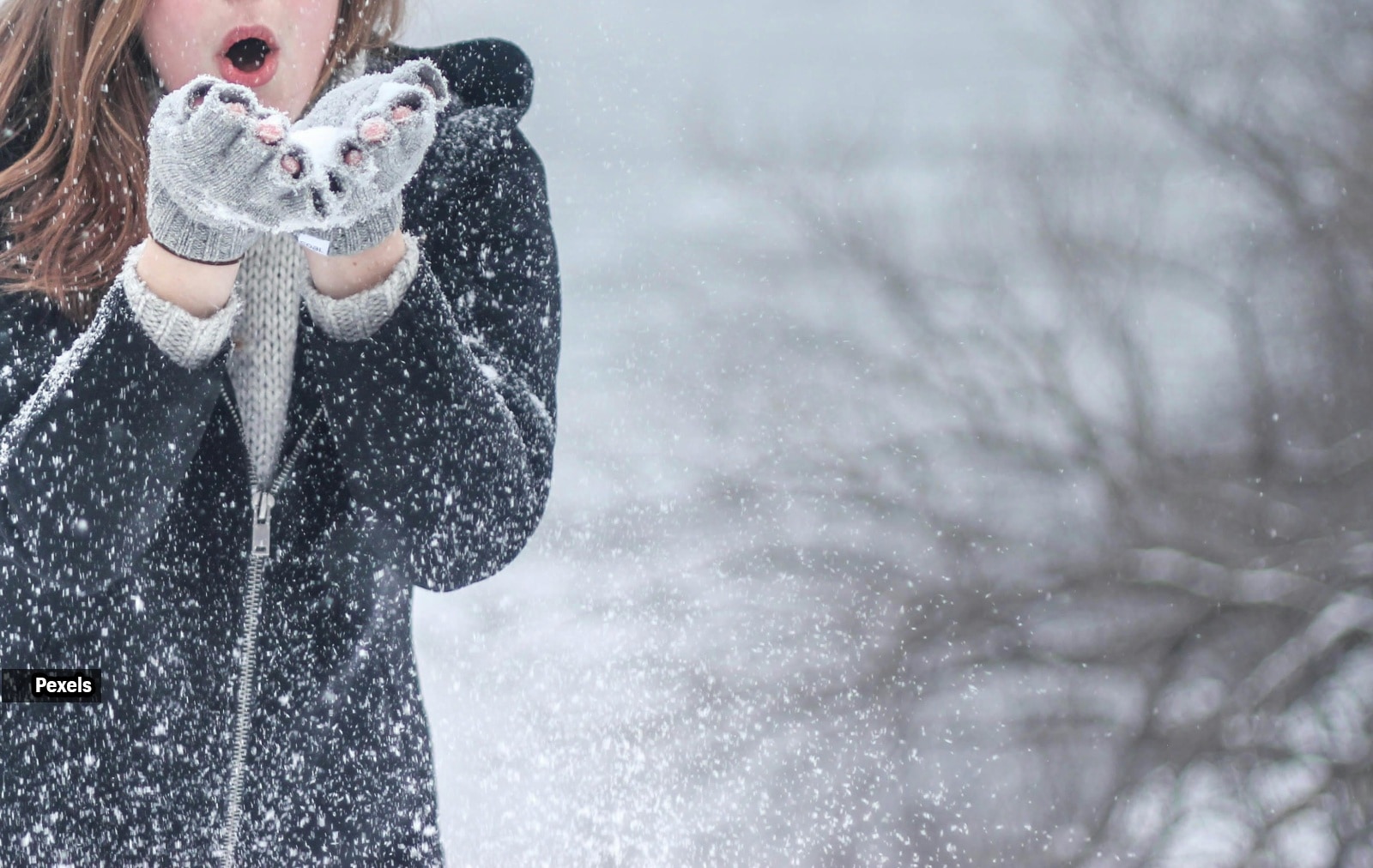 Asthma patients should take extra care during winter to prevent attacks and breathing problems (image: pexels)
Common triggers, warning signs, and winter safety tips
Cold and dry air remains one of the most common triggers, often causing coughing, chest tightness, and shortness of breath. Exposure to cold winds, respiratory infections, strong smells from room fresheners and cleaning products, and sudden temperature changes can further irritate the airways.
Asthmatics should seek medical help if symptoms fail to improve with routine care. “Medical help is needed if there is frequent wheezing, coughing, or chest tightness, especially at night or early morning,” says Dr Kumar. He adds that “if breathing becomes fast, difficult, or painful, a doctor should be consulted immediately.” Warning signs such as bluish lips or fingernails, fever with thick mucus, severe tiredness, trouble speaking full sentences, or repeated asthma attacks in a short time should not be managed at home.
To reduce the risk of winter flare-ups, Dr Kumar advises simple preventive steps. Wearing a scarf or mask outdoors helps warm the air before it reaches the lungs. Asthmatics should take prescribed inhalers regularly and keep a rescue inhaler nearby. Avoiding extreme cold exposure, keeping indoor spaces clean, using heaters safely with proper ventilation, washing hands frequently, getting the flu vaccine, staying warm, eating well, and drinking warm fluids can all help support lung health during winter.
DISCLAIMER: This article is based on information from the public domain and/or the experts we spoke to. Always consult your health practitioner before starting any routine.