

In an Instagram post, nutritionist Pooja Makhija recently noted that, unlike weight, the waist-to-height ratio predicts metabolic health far better. “A simple string cut to your height and folded in half can instantly tell you if you may be storing excess visceral fat — the kind linked to diabetes, high blood pressure, and heart disease.
“Your weight is just one number. Your waist-to-height ratio is the number that counts,” added Makhija.

Waist-to-Height Ratio = Waist (cm) ÷ Height (cm). “A value of 0.5 or more indicates elevated metabolic risk,” she explained.
Dr Amit Saraf, director, internal medicine, Jupiter Hospital, Thane, said the waist-to-height ratio is one of the simplest and most reliable indicators of metabolic risk. “BMI only shows how heavy a person is for their height. It does not reveal how much fat is stored around vital organs. Waist-to-height ratio directly captures central and visceral fat, which are strongly linked to diabetes, high blood pressure, and heart disease. A ratio of 0.5 or more signals increased cardiometabolic risk, even in someone with a “normal” BMI,” said Dr Saraf.
Why is this especially important for Indians?
Indians tend to accumulate abdominal fat earlier and at lower body weights than many other groups. This means someone can look lean, weigh “normal,” and still carry harmful visceral fat. “Studies, including large global analyses, show that waist-to-height ratio detects this hidden risk much better than BMI alone,” said Dr Saraf.
How can someone measure their waist-to-height ratio correctly at home?
Measure height first. Then measure waist circumference at the level of the navel, without sucking in the stomach. Divide waist by height. If the number is 0.5 or above, metabolic risk is likely elevated. A practical trick is to use a string cut to your height: fold it in half. If that half-length does not fit comfortably around your waist, you may be storing excess visceral fat, said Dr Saraf.
Story continues below this ad
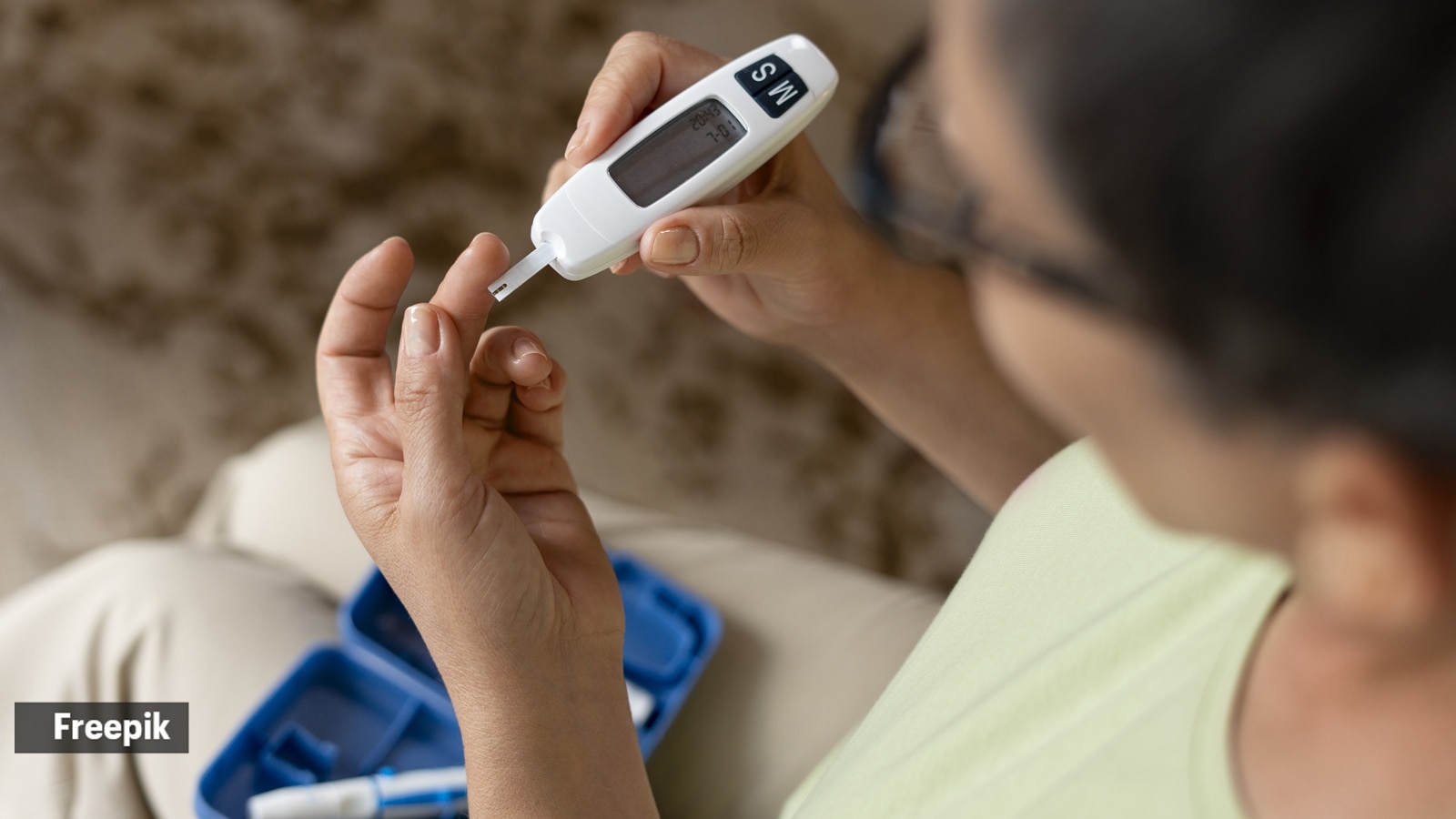
 Here’s how you should measure (Photo: Freepik)
If someone’s waist-to-height ratio is high, what lifestyle changes can reduce the risk?
The goal is to reduce belly fat through sustainable habits:
Limit added sugars and ultra-processed snacks that promote fat around the abdomen.
Walk 8,000 to 10,000 steps daily. Regular movement improves insulin sensitivity.
Add more protein to meals for better satiety and metabolism.
Include strength training twice a week to target central fat.
Story continues below this ad
Prioritise good sleep. Poor sleep raises cortisol and increases abdominal fat.
Should weight and BMI still be tracked?
They can be, but think of them as supporting numbers. “Weight tells you how much mass you carry. The waist-to-height ratio indicates whether that mass is stored in risky places. For long-term metabolic health, waist-to-height ratio is the number that truly counts.”
DISCLAIMER: This article is based on information from the public domain and/or the experts we spoke to. Always consult your health practitioner before starting any routine.