

Airport food is typically expensive. So, carrying homemade snacks not only offers better nutrition but also saves you money. Neena Gupta has always been a champion of carrying a light, healthy tiffin when travelling, and her recent social media upload gave us a peek at what’s on her plate on air. “Today’s plane menu, khakhra and green moong,” she wrote in the caption of her Instagram post.
Reflecting on the actor’s choices, Deepalakshmi, registered dietitian at Shree Balaji Medical College and Hospital, Chennai, said most airport food is calorie-dense and nutritionally poor. “Burgers, fried snacks, and packaged meals are often made with refined flour, excess salt, unhealthy fats, and preservatives. These may fill you up but can leave you bloated, sluggish, and dehydrated during travel,” she said.

Elaborating on the benefits of bringing food from home, she said travellers can stay energised, avoid discomfort, and skip the expense and weight of processed airport fare.
As such, let’s understand the benefits of Gupta’s flight snack on long-term health.
Green Moong
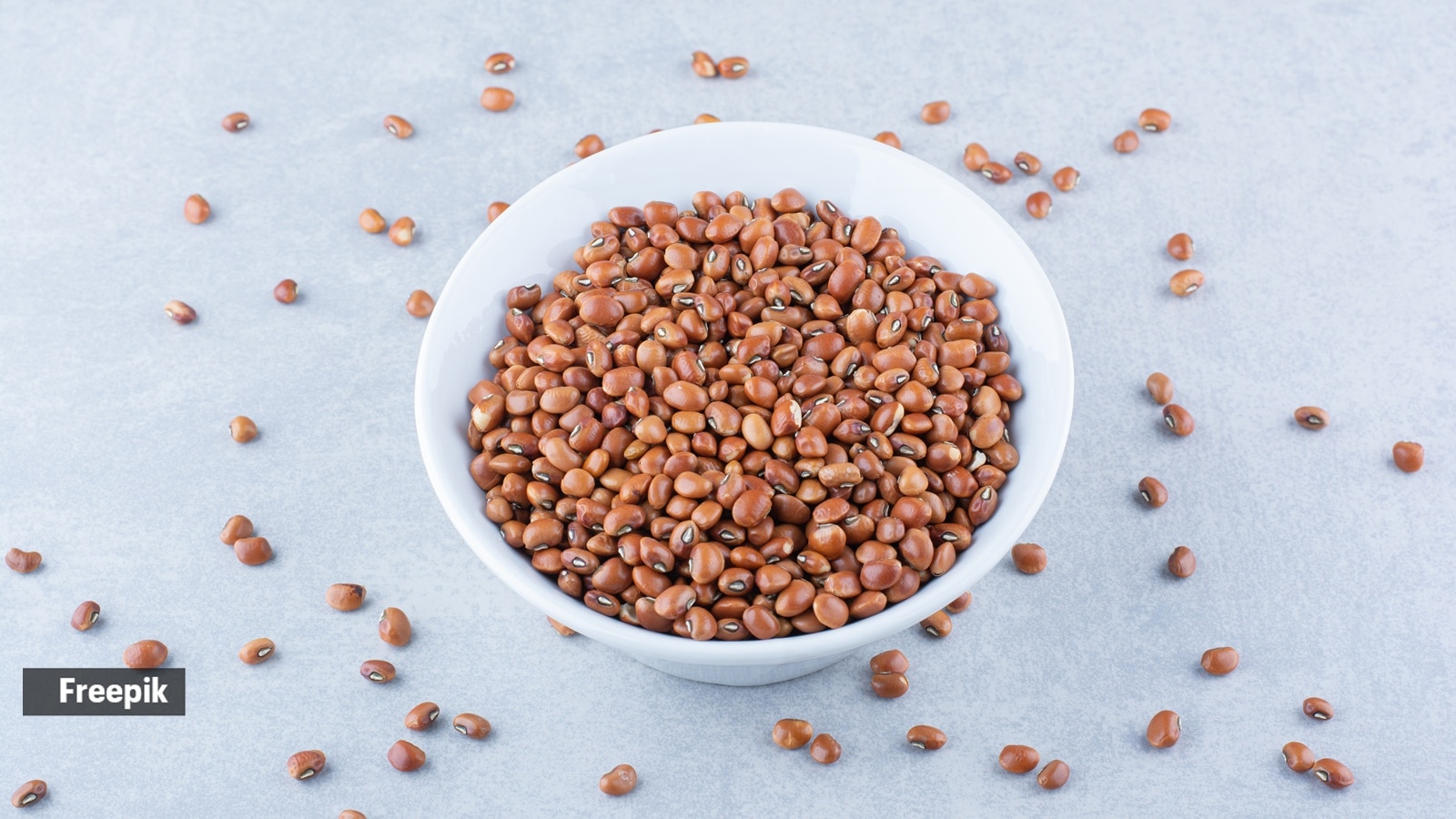
According to Deepalakshmi, moong dal — also known as split green gram — contains essential nutrients like iron, magnesium, copper, potassium, along with B-vitamins B, A, and C and lots of fibre. She said that soaked moong dal is a good source of protein and fibre, which helps in weight loss and aids in digestion. “Soaking the moong dal breaks the phytic acid present, and there is a better absorption of nutrients like iron, zinc and calcium. It is low in glycemic index and a good snack for people with diabetes,” she suggested.
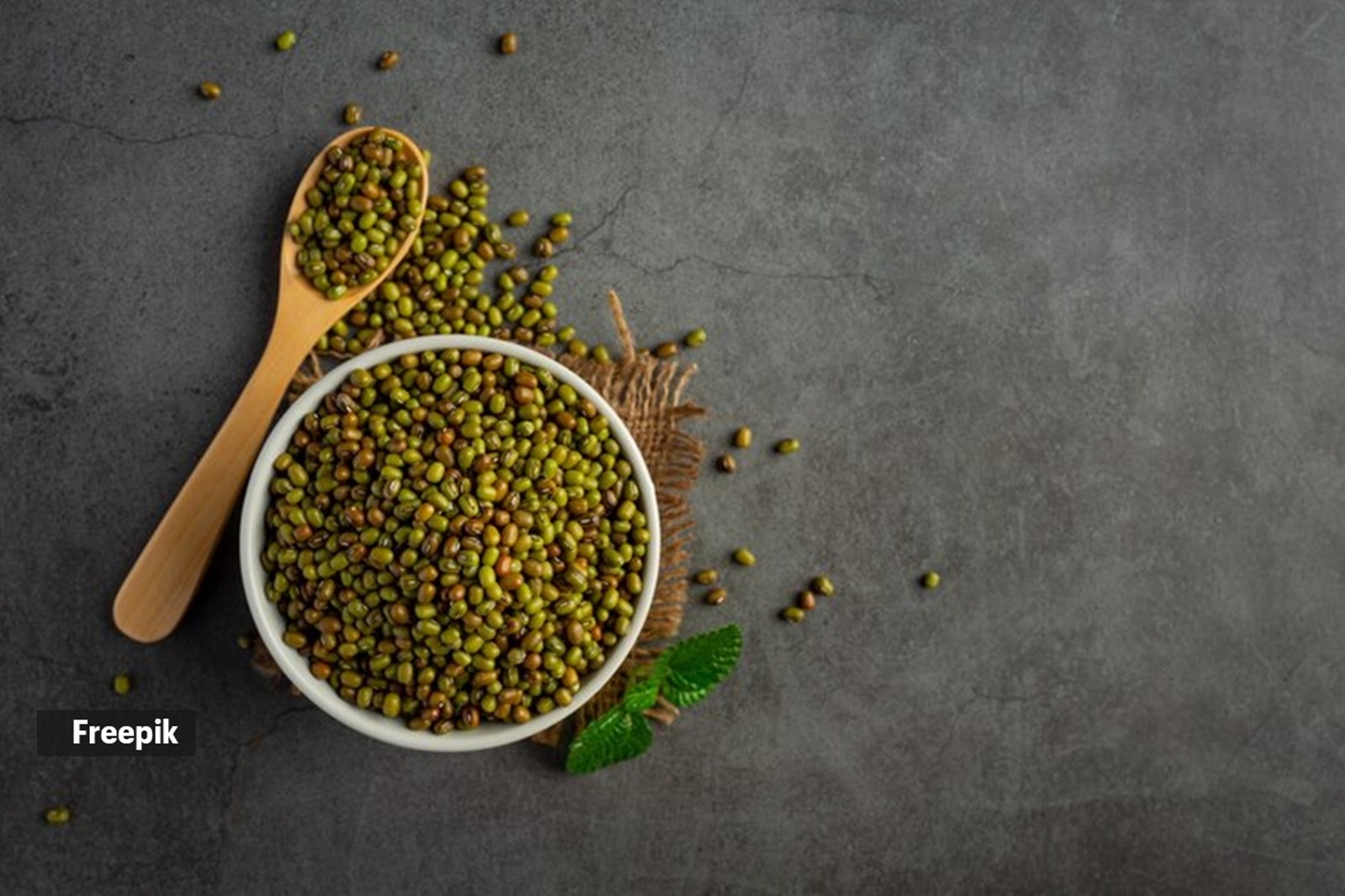 Moong dal is also known as split green gram. (Source: Freepik)
Soaked moong dal is also low in calories, which helps reduce cholesterol and promote heart health. It contains antioxidants and nutrients such as Vitamin A, Vitamin C, and Vitamin E, which further support immune function.
While this can vary based on an individual’s activities and requirements, Deepalakshmi recommended that, ideally, you can consume about half a cup in one serving. However, when it comes to precautions, she warned that consuming excessive amounts can cause digestive issues like bloating and increase the risk of uric acid formation. Therefore, she encouraged people to follow strict portion control to get the benefits without risking the downsides.
Story continues below this ad
Khakhra
Meenu Balaji, chief nutritionist at Pragmatic Nutrition, Chennai, said that when made with whole wheat or millets and baked, khakhra becomes a high-fibre, guilt-free snack. However, overdoing spicy or oily variants can upset a sensitive gut. Cooking them at very high temperatures, or baking, can produce acrylamides, just like any other dry-heat cooking. Thus, moderation matters.
DISCLAIMER: This article is based on information from the public domain and/or the experts we spoke to. Always consult your health practitioner before starting any routine.