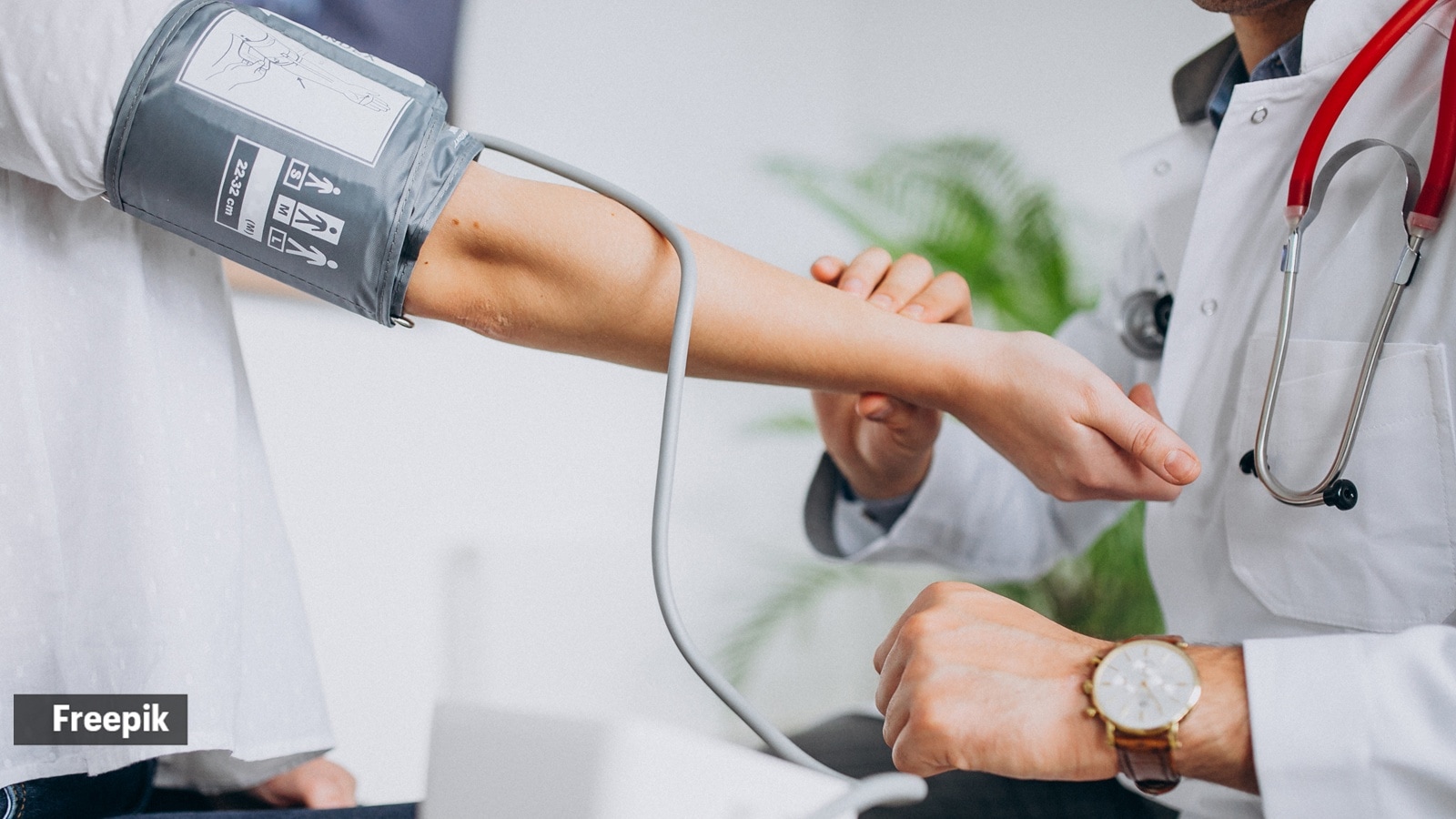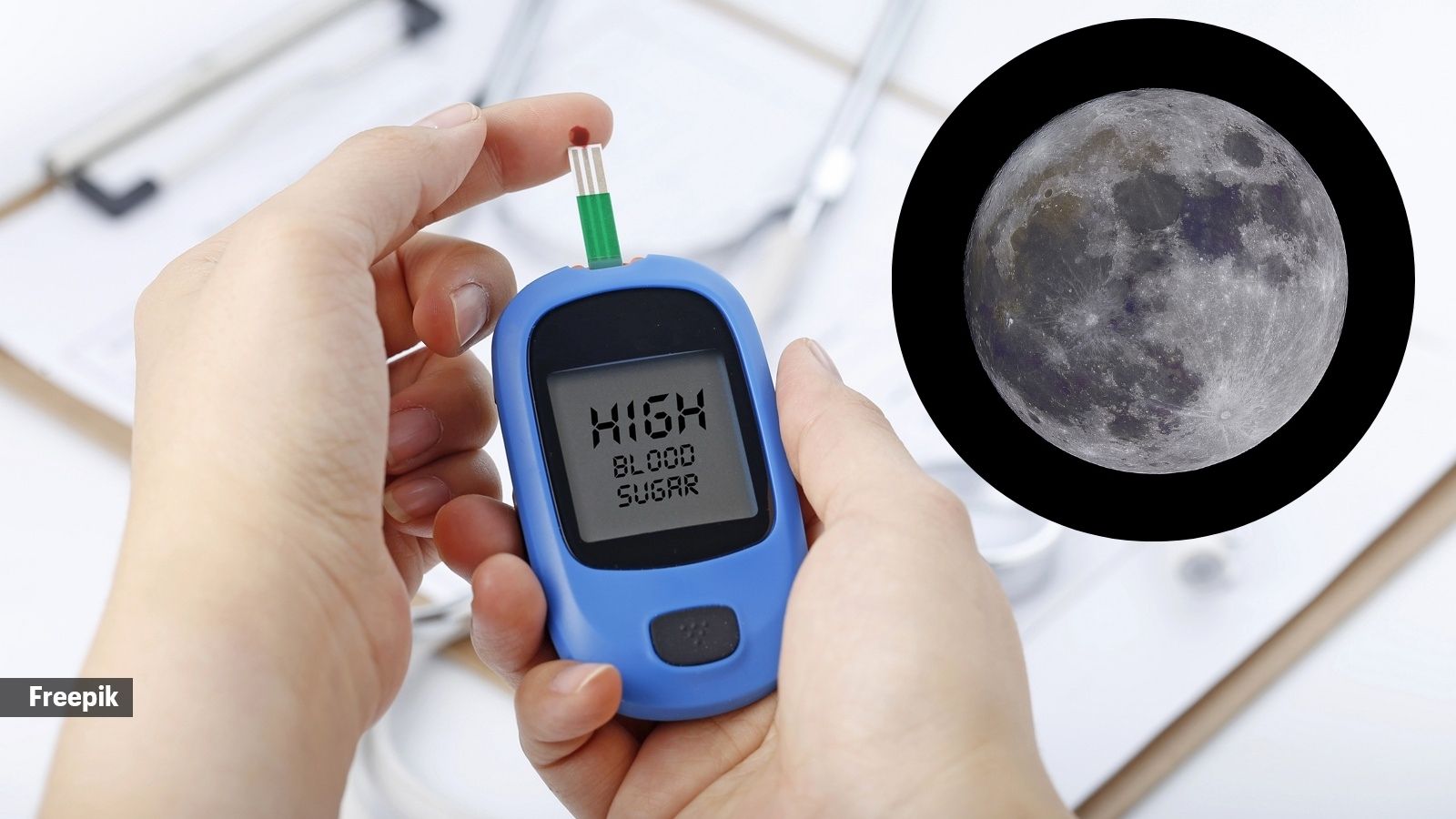


Not just the elderly, even those in their 20s can suffer from high blood pressure. So when someone asked on Quora, ‘Is a blood pressure of 170/110 mmHg too severe for a 23-year-old?’, we posed the same to Dr Amit Saraf, director, internal medicine, Jupiter Hospital, Thane, who said, “Yes. Even at 23, a reading of 170/110 mmHg is considered severely high.” Clarifying that this isn’t just a typical “stress spike” sometimes seen in young adults, Dr Saraf said that at this level, the heart, kidneys, and blood vessels are under significant strain. “It needs prompt evaluation, because high blood pressure at such a young age often has an underlying cause rather than just lifestyle factors,” the expert continued.
Story continues below this ad
What could cause such high blood pressure in someone so young?
In people under 30, we usually consider secondary hypertension, which means a medical condition may be driving the increase, said Dr Saraf.

Common causes include:
– Thyroid imbalance
– Kidney diseases
– Hormonal disorders like high cortisol or aldosterone
– Sleep apnea
– Certain medications, supplements, or gym-related substances
– High stress, poor sleep, and excess caffeine
Story continues below this ad
It may still be essential or primary hypertension, but we don’t assume that without proper testing, stressed Dr Saraf.
 Sleep plays a crucial role (Photo: Getty Images/Thinkstock)
What symptoms should a young person never ignore with such readings?
Red flags include:
Story continues below this ad
– Severe or persistent headaches
– Chest discomfort
– Palpitations
– Breathlessness
– Blurred vision
– Sudden fatigue or dizziness
If these occur with a 170/110 mmHg reading, immediate medical attention is required, said Dr Saraf.
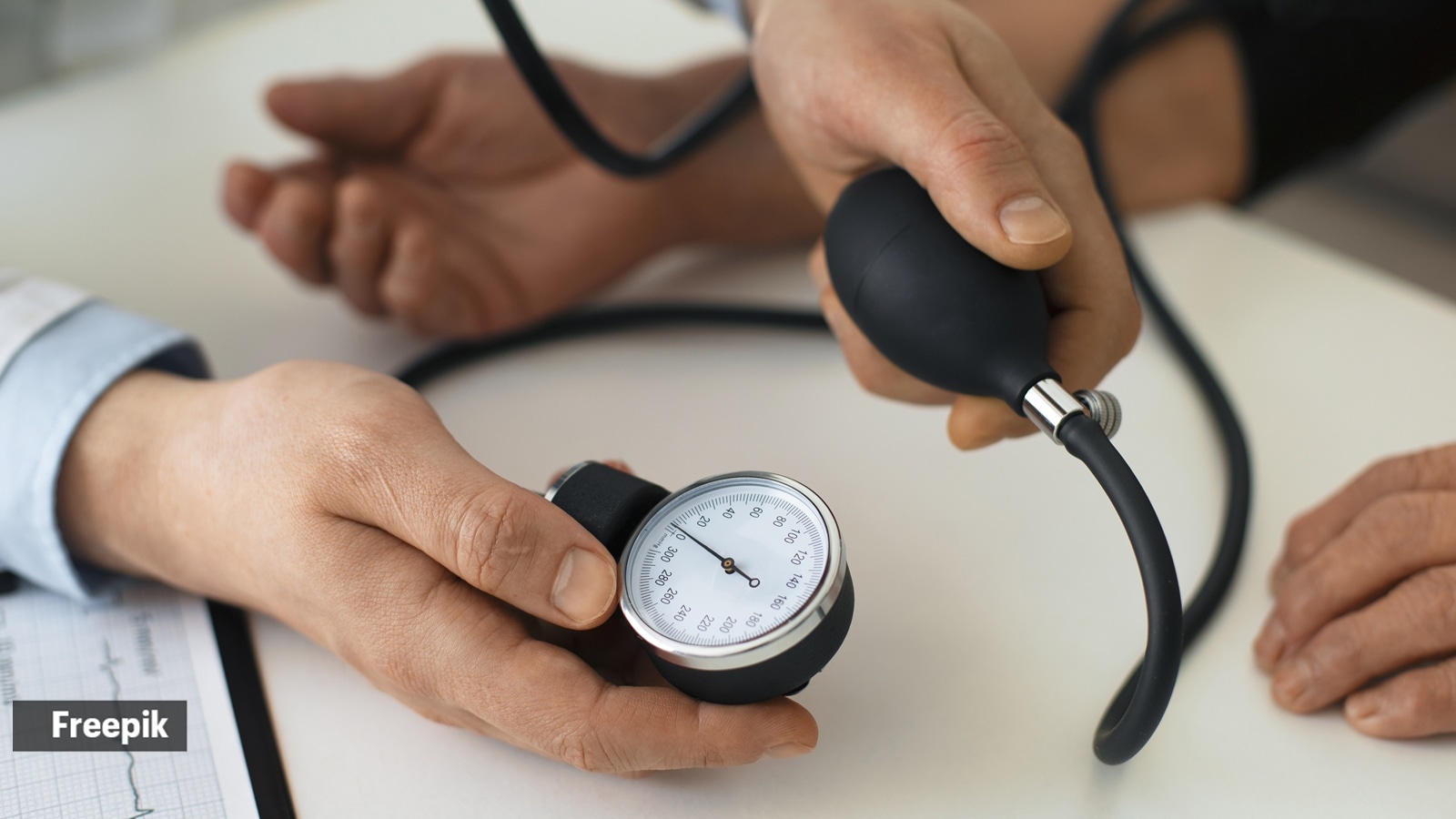
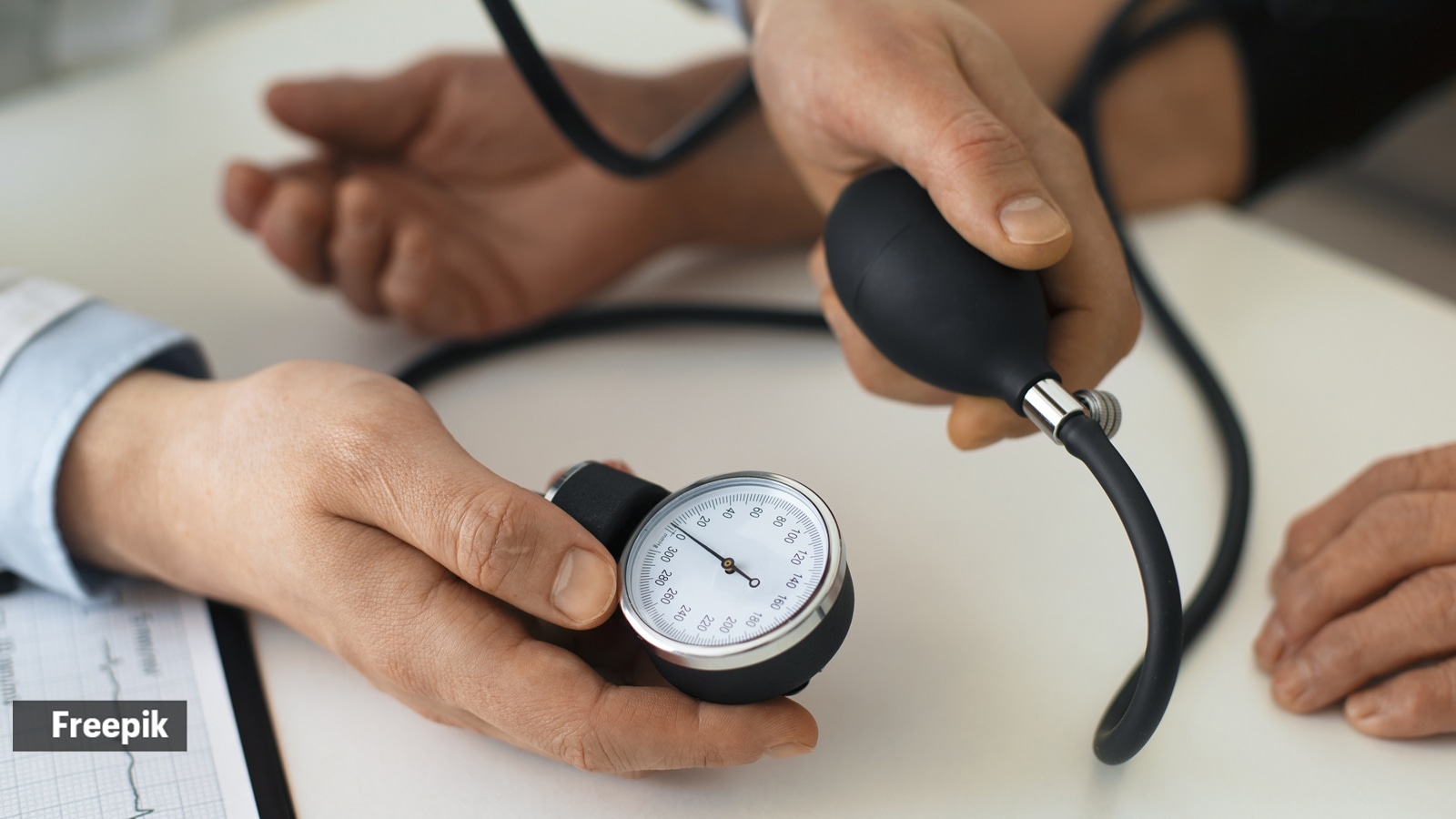
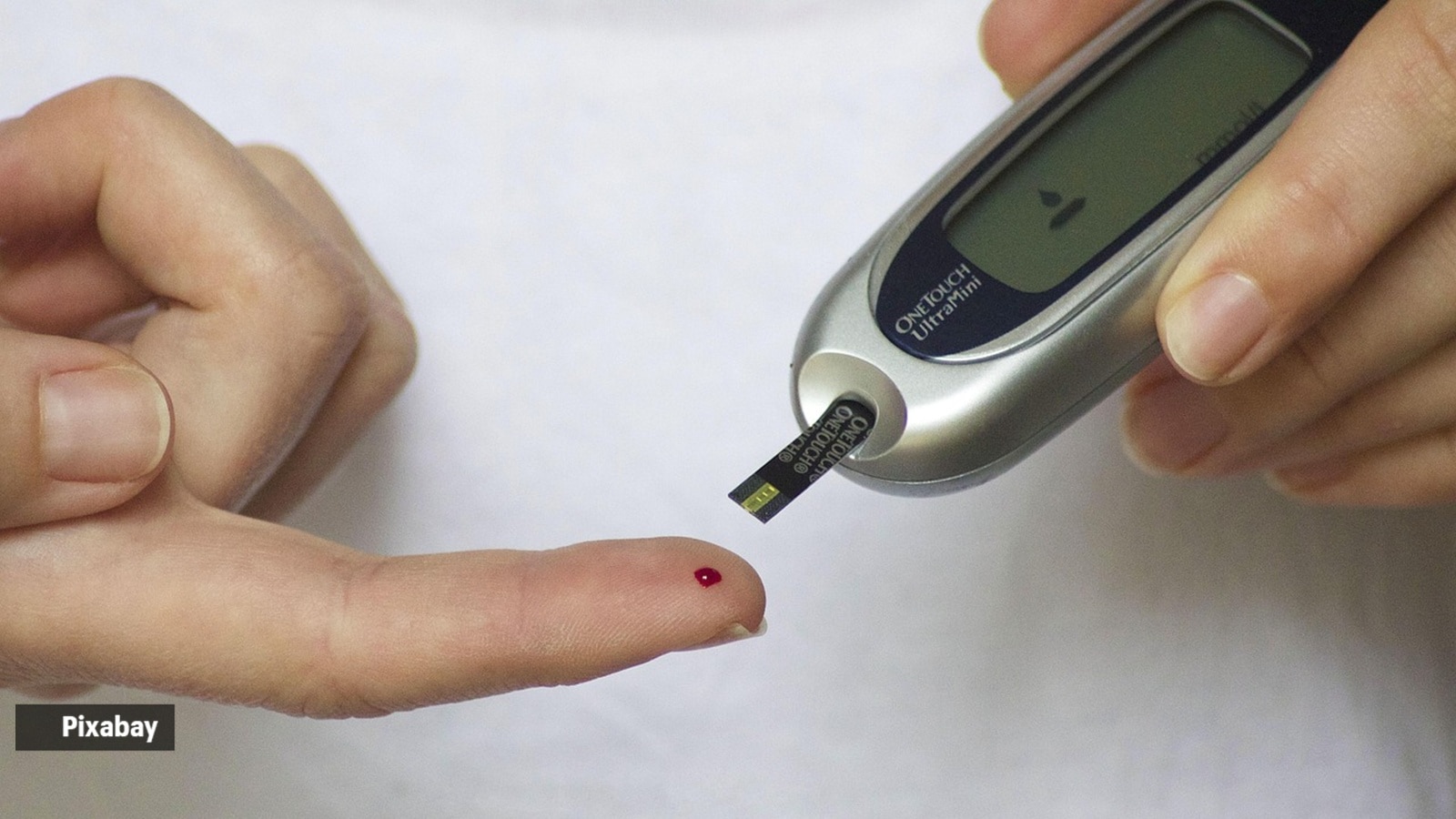
 Is your BP too high? (Photo: Quora)
What tests are usually recommended when a 23-year-old shows severe hypertension?
Doctors typically advise:
Story continues below this ad
– Kidney function tests
– Thyroid profile
– ECG and echocardiogram
– Urine tests
– Ultrasound of the kidneys
– Hormonal tests if needed
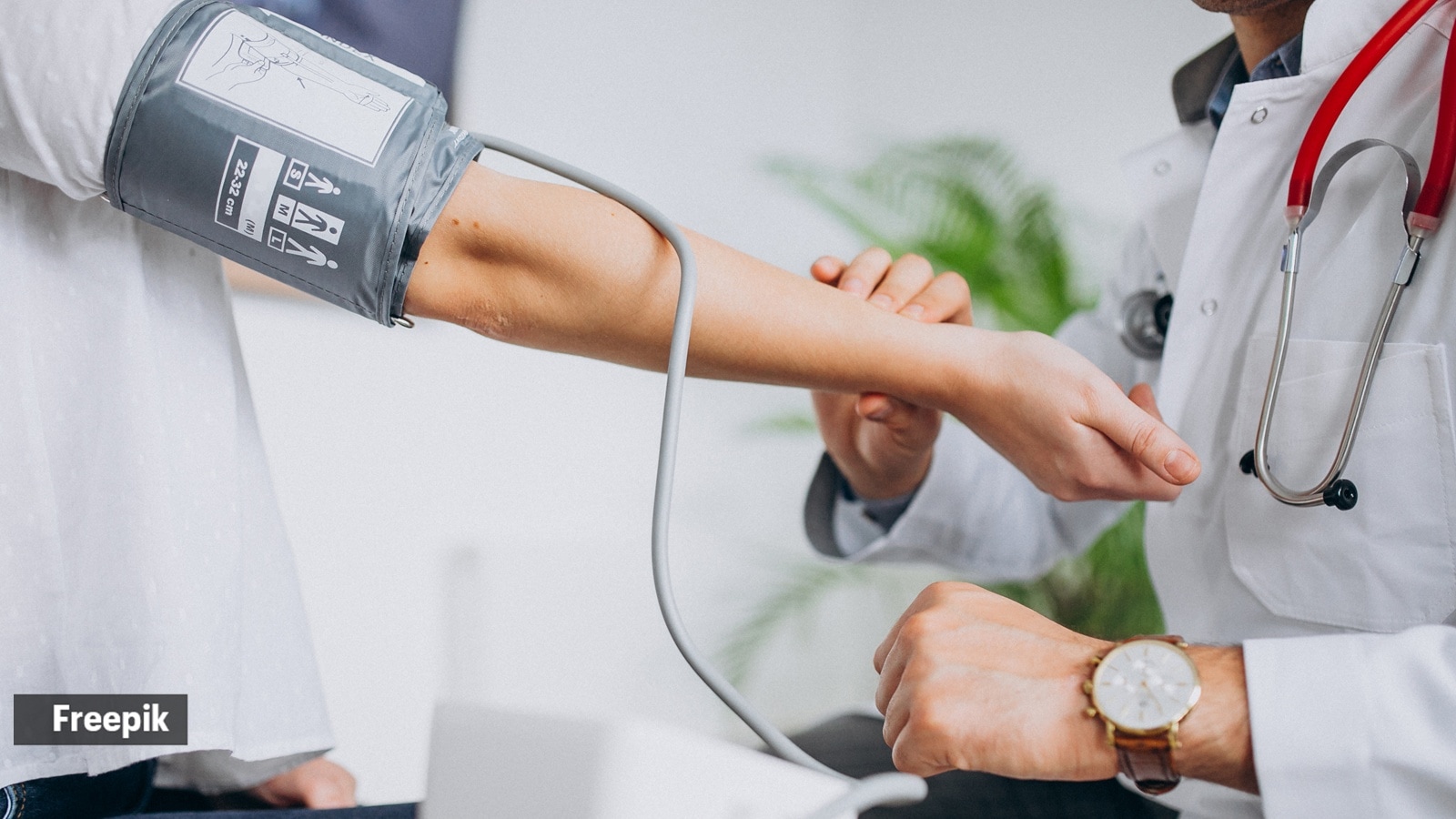
– A 24-hour ambulatory BP monitor to rule out white-coat spikes, said Dr Saraf.
This helps identify whether the high blood pressure has a correctable cause.
Can this be controlled with lifestyle changes alone?
Lifestyle plays a significant role, but at 170/110 mmHg, lifestyle changes alone are not enough. Medication is usually started early to protect organs.
Alongside that, the expert advised:
Story continues below this ad
– Cutting down salt
– Avoiding energy drinks and excess caffeine
– Regular exercise (30–45 minutes daily)
– Weight control
– Good sleep hygiene
– Stress-management practices like yoga, breathing exercises, or sports
These changes help reduce long-term dependence on medications, but treatment must not be delayed, said Dr Saraf.
Take it seriously, get evaluated quickly, and start treatment early. “High blood pressure in your 20s is completely manageable, but only if acted upon promptly,” said Dr Saraf.
DISCLAIMER: This article is based on information from the public domain and/or the experts we spoke to. Always consult your health practitioner before starting any routine.