

How should creatinine levels be read and analysed? This is what we were left wondering when we came across a post on Quora asking: ‘I have a creatinine level of 4.77. Is it dangerous, or do I need dialysis?’ So we reached out to Dr Mahesh Prasad, a senior consultant in nephrology at KIMS Hospitals, Thane, who explained that creatinine is a muscle waste product that is flushed out by the kidneys and serves as an indicator of how well they function.
Story continues below this ad
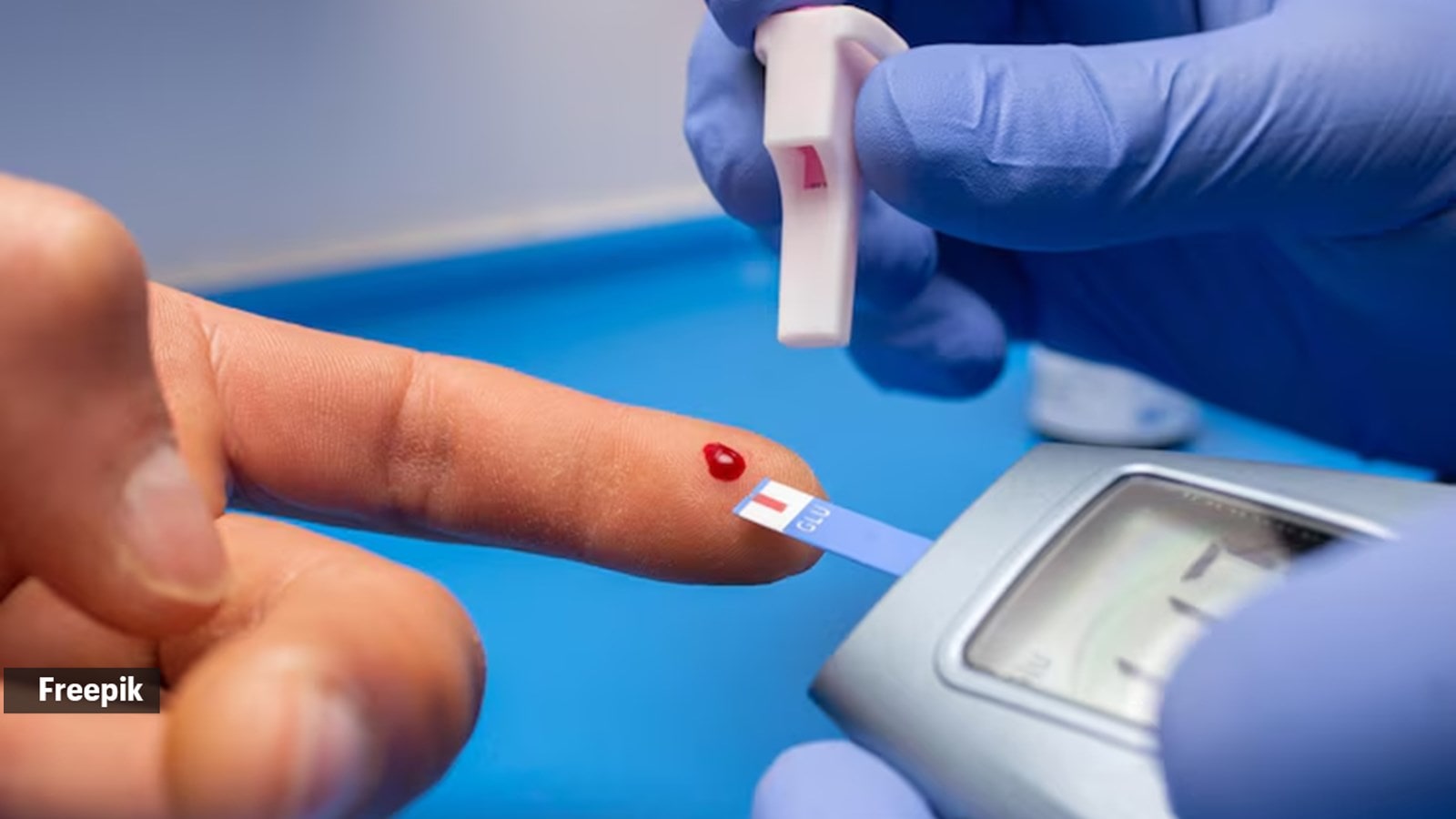
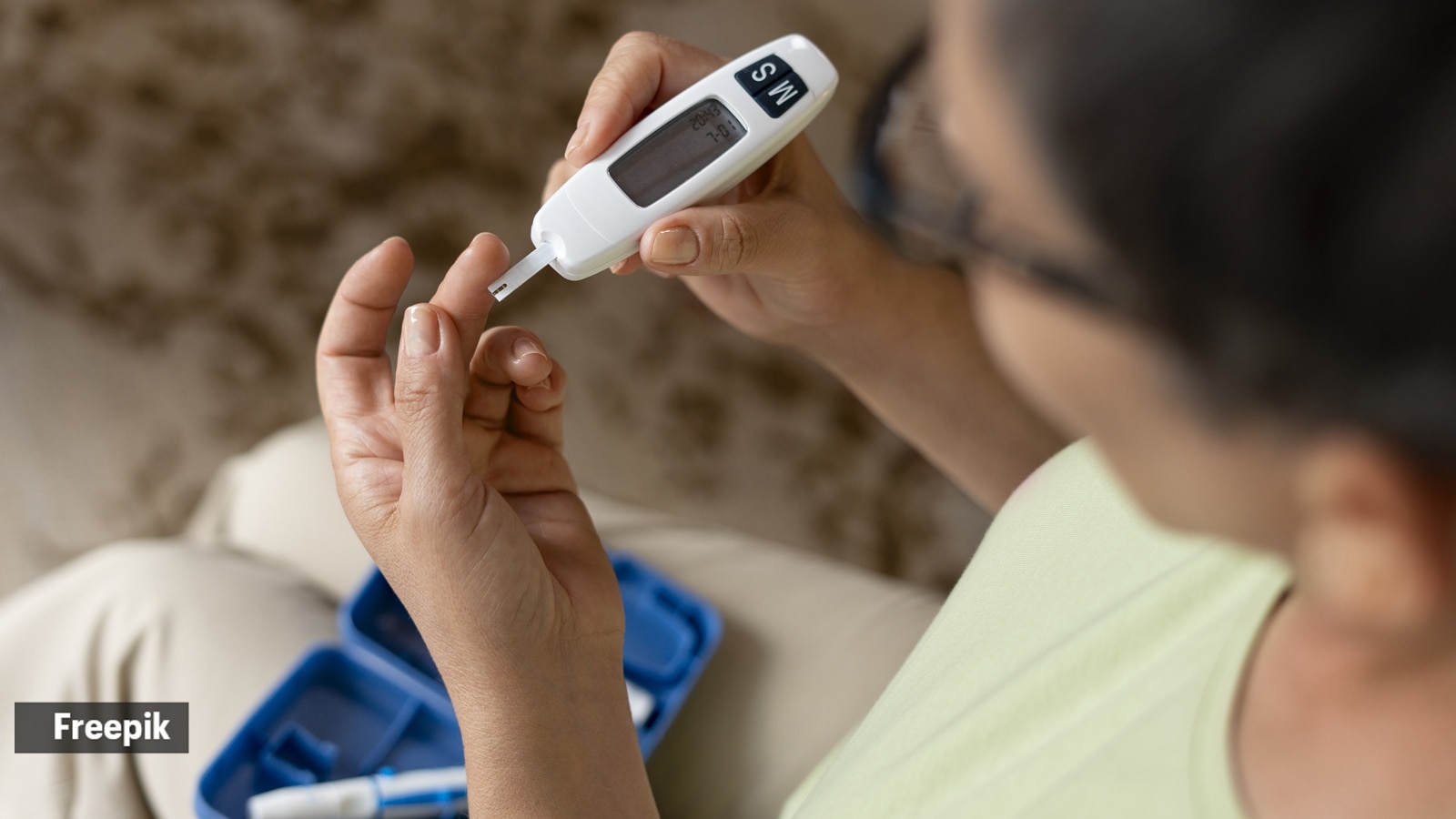
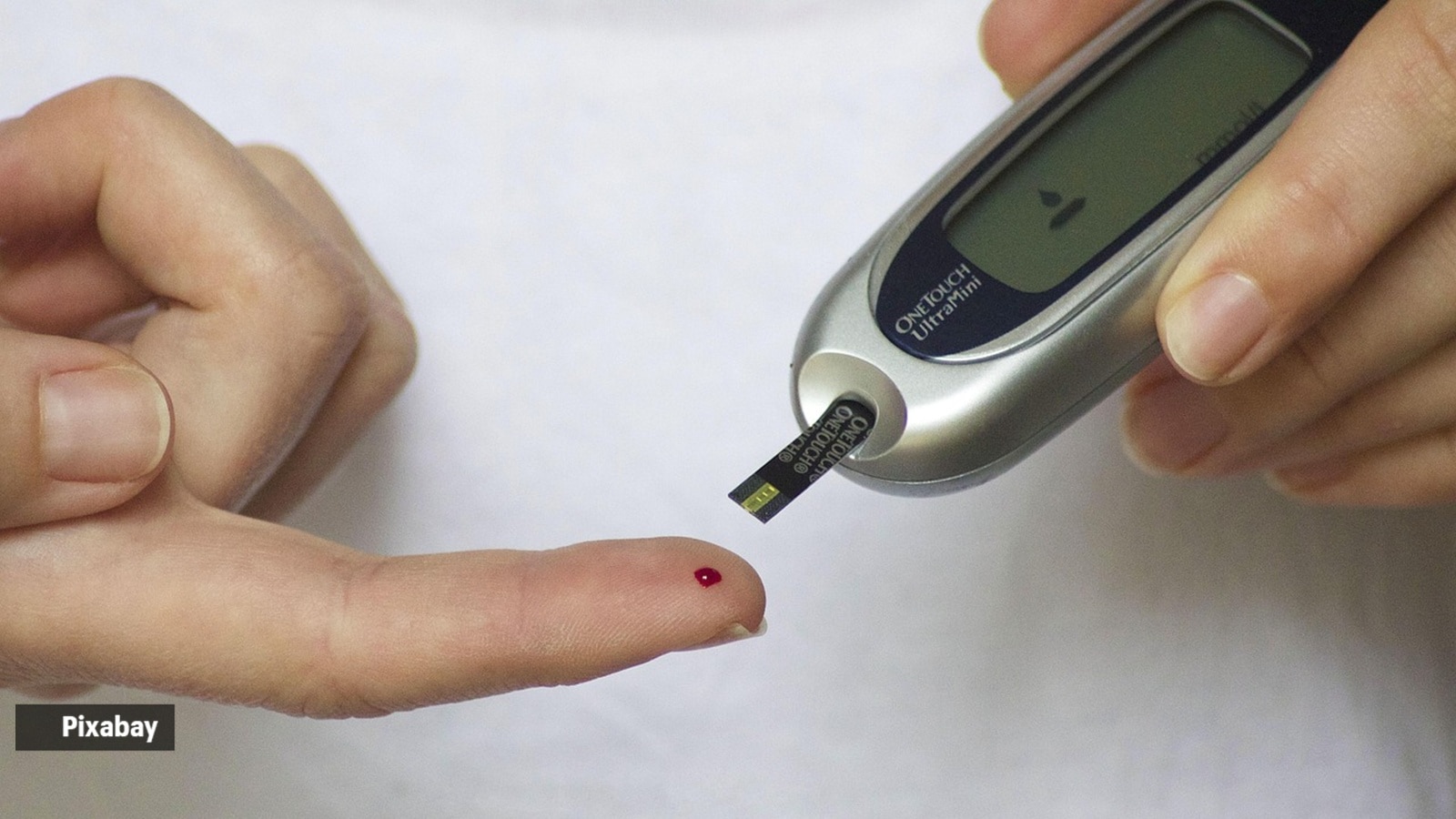
Kidney health can be effectively assessed through simple blood and urine tests. The serum creatinine test and the estimated glomerular filtration rate (eGFR) are key indicators of how well your kidneys filter waste from the blood. Additionally, urine tests help detect protein or blood, which are often early signs of kidney disease.


According to Dr Mahesh, creatinine can rise quickly due to dehydration, severe infections, uncontrolled diabetes or blood pressure, urinary blockage, or certain painkillers. “In many cases, kidney function improves once the underlying issue is treated quickly,” said Dr Mahesh, adding that a creatinine level of 4.77 mg/dL is a serious warning sign, but it doesn’t automatically mean dialysis. “The need for dialysis depends on symptoms, the cause of the problem, and overall kidney function, not just one lab result. Getting early specialist care can make a big difference in outcomes,” said Dr Mahesh.
Story continues below this ad
A creatinine of 4.77 mg/dL is above the normal range (around 0.6 to 1.2 mg/dL for adults). “If this value is new or rising, it deserves follow-up,” said Dr Mahesh.
 A creatinine level of 4.77 mg/dL is a serious warning sign, but it doesn’t automatically mean dialysis. (Photo: Quora)
What symptoms suggest the kidneys are struggling?
Dr Mahesh said that the typical warning signs include ongoing swelling in the feet or face, extreme tiredness, nausea, loss of appetite, less urine output, or trouble breathing. “If these symptoms occur, urgent medical attention is needed, regardless of the exact creatinine level,” said Dr Mahesh.
Can lifestyle or diet make a difference at this stage?
Absolutely, affirmed Dr Mahesh, adding that cutting back on salt, controlling blood pressure and blood sugar, avoiding over-the-counter painkillers, and following a kidney-friendly diet can help slow further damage. “However, any dietary changes should always be made under medical supervision at this level of kidney dysfunction,” said Dr Mahesh.
DISCLAIMER: This article is based on information from the public domain and/or the experts we spoke to. Always consult your health practitioner before starting any routine.