
Many people notice a frustrating pattern after crossing 30: the waistline expands even though eating habits and workouts haven’t changed much. Addressing this common concern, Dr Saurabh Sethi, a California-based gastroenterologist trained at AIIMS, Harvard, and Stanford Universities, recently explained why belly fat tends to increase with age, and why it often feels more complicated to lose than before.
Story continues below this ad
In an Instagram post, he said, “The same foods lead to more belly fat. The same workouts give fewer results.” According to Dr Sethi, this change is driven by predictable physiological processes rather than a sudden lack of discipline. One key factor is muscle loss.


“After 30, we naturally lose 3-8% of muscle per decade,” he explained. Since muscle plays a significant role in burning calories and handling blood sugar, losing it slows daily energy expenditure. He further noted that muscles are responsible for “approximately 70-80% of glucose disposal.” He warned, “When muscle mass drops, glucose stays in the blood longer and is more likely stored as abdominal fat.”
Story continues below this ad
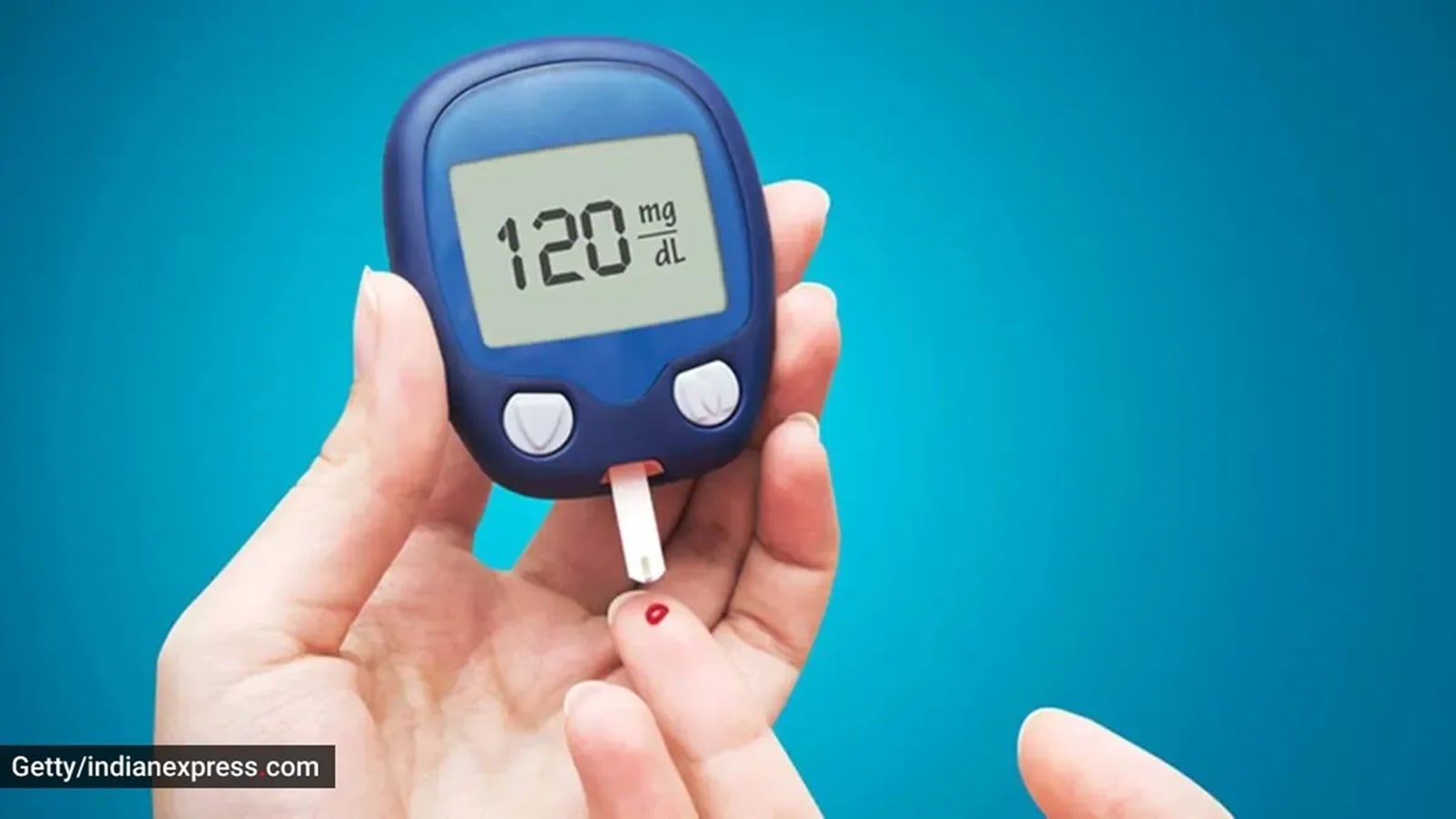
Another contributor is declining insulin sensitivity, which drops by about 4-5% per decade. This means that eating the same carbohydrates can lead to bigger blood sugar spikes and faster fat storage, particularly around the waist. Hormonal shifts also play a role.
As levels of growth hormone, testosterone, and oestrogen fall, cortisol rises and, as Dr Sethi put it, “This combination favours deep abdominal fat storage.” Over time, this leads to the accumulation of visceral fat, which he described as particularly harmful. “This fat surrounds organs and worsens insulin resistance and inflammation,” he said, noting that the effects are stronger in people with fatty liver, prediabetes, diabetes, or high triglycerides.
But how can someone tell whether their belly fat is primarily visceral?
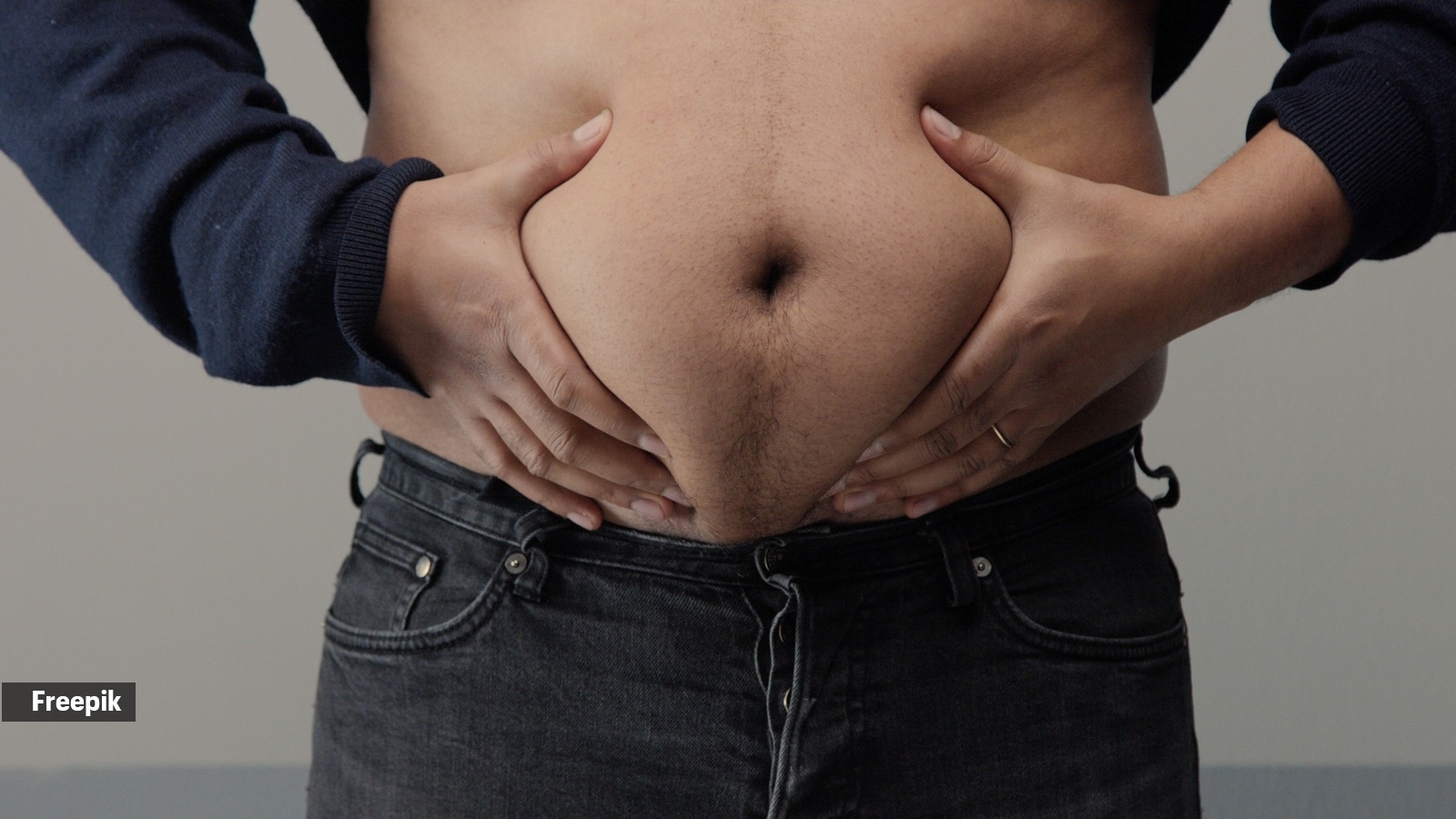
Dr Adithya V. Naragund, senior consultant in GI & HPB Surgery at Cytecare Hospitals, Bengaluru, tells indianexpress.com, “Visceral fat is the deeper fat that surrounds internal organs like the liver and intestines, and it is metabolically active. Unlike subcutaneous fat, which sits just under the skin and can be pinched, visceral fat gives the abdomen a firm, protruding appearance. It does not reduce significantly with simple weight loss.”
Story continues below this ad
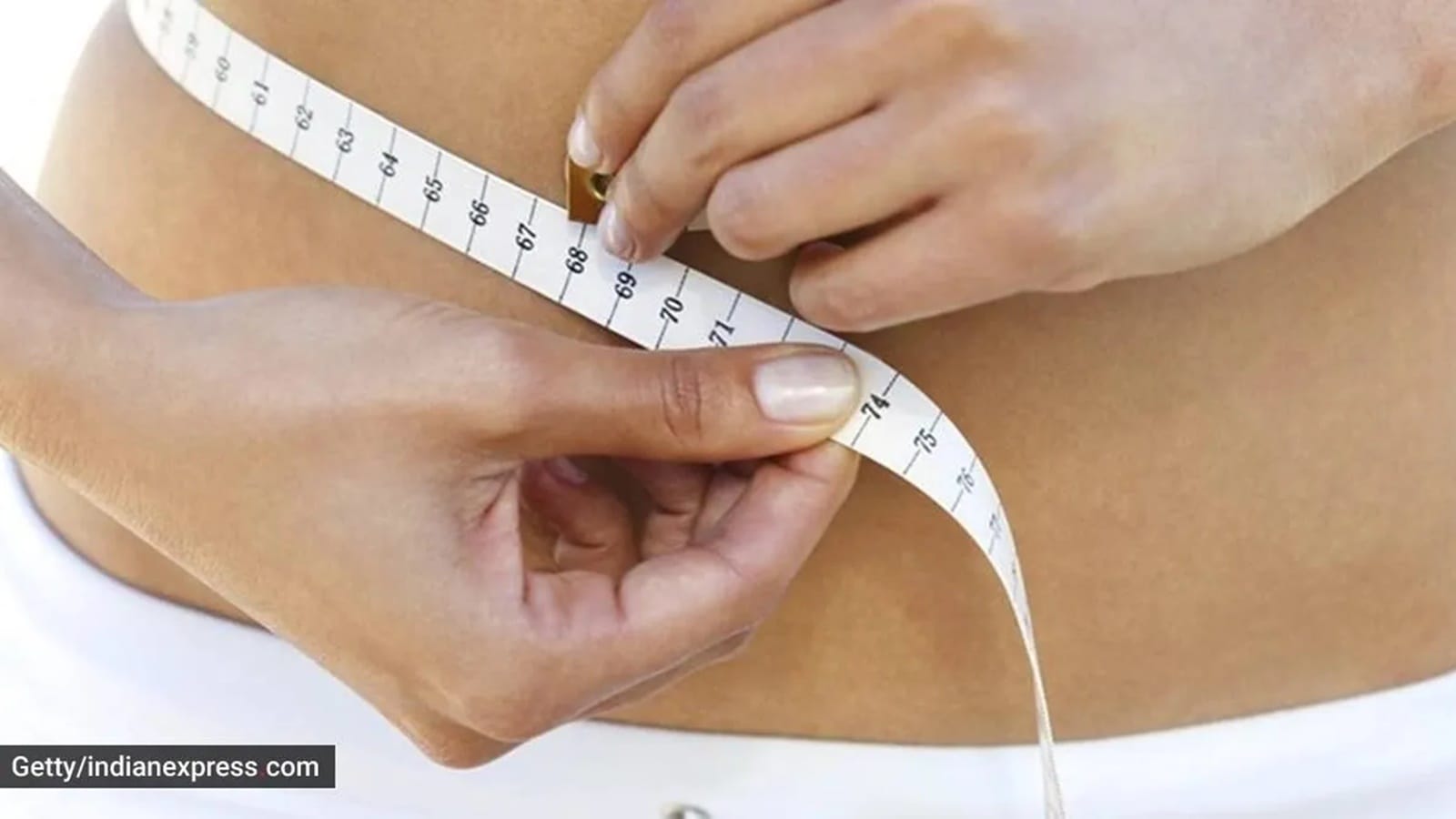
Clinically, Dr Naragund says, an expanding waistline is one of the earliest indicators. “In Indian adults, a waist circumference above 90 cm in men and 80 cm in women strongly suggests excess visceral fat. Imaging tests like ultrasound, CT scan, or DEXA can confirm this, but they are not always necessary for routine assessment.”
Is muscle loss after 30 inevitable?
Dr Naragund notes that some degree of muscle loss with age, known as sarcopenia, begins after the age of 30, but it is not inevitable or irreversible. In most people, the primary drivers are inactivity, inadequate protein intake, poor sleep, and chronic stress rather than age alone.
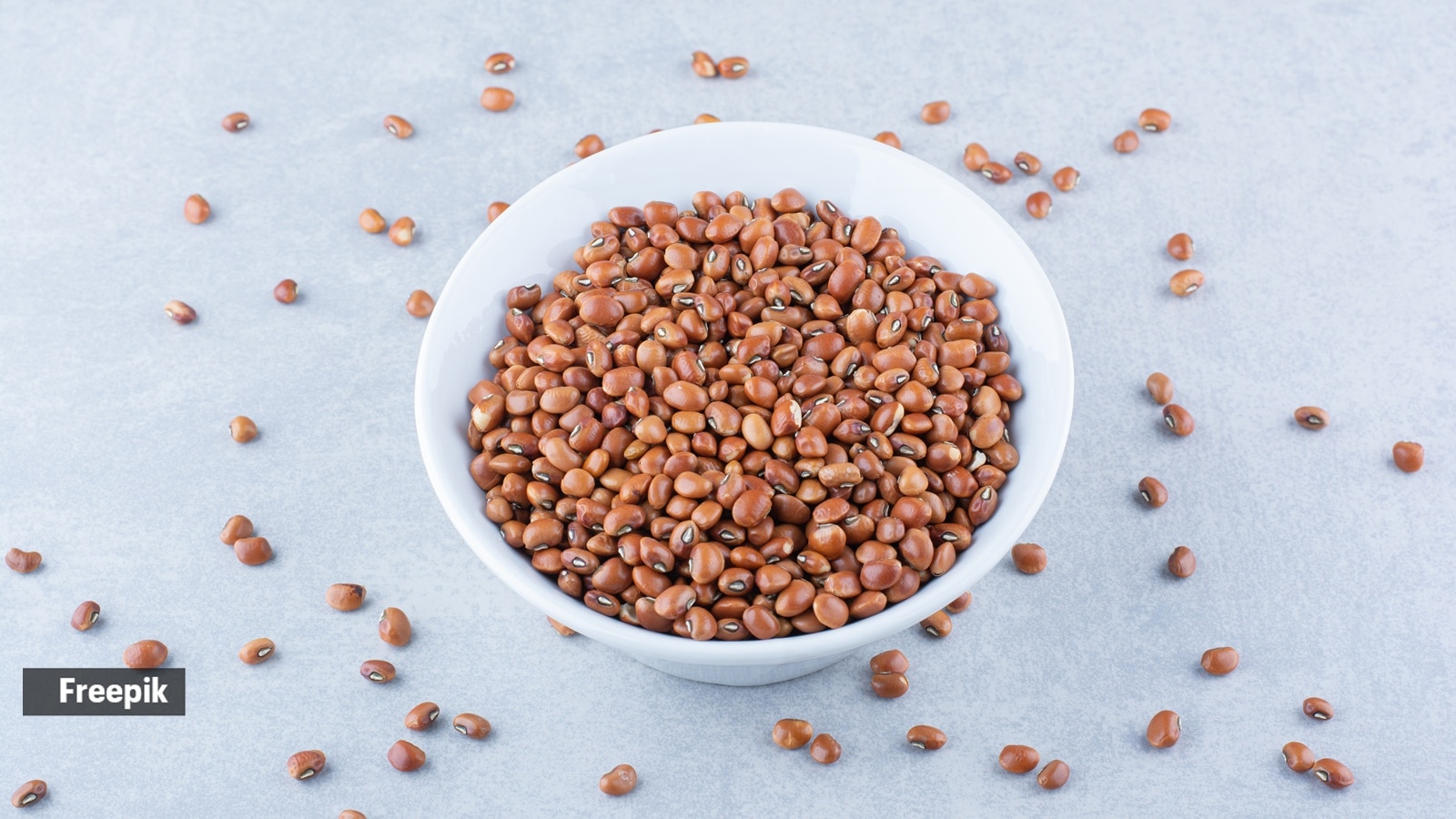
He adds, “Targeted strength training two to four times a week can significantly rebuild muscle mass even in people in their 40s and 50s. When combined with adequate dietary protein, especially from high-quality sources such as pulses, dairy, eggs, fish, or lean meat, metabolic rate can be preserved and even improved.”
Story continues below this ad
Maintaining muscle is critical because muscle tissue improves insulin sensitivity and increases resting energy expenditure. In practical terms, this means the body handles carbohydrates better and stores less fat around the abdomen.
DISCLAIMER: This article is based on information from the public domain and/or the experts we spoke to. Always consult your health practitioner before starting any routine.