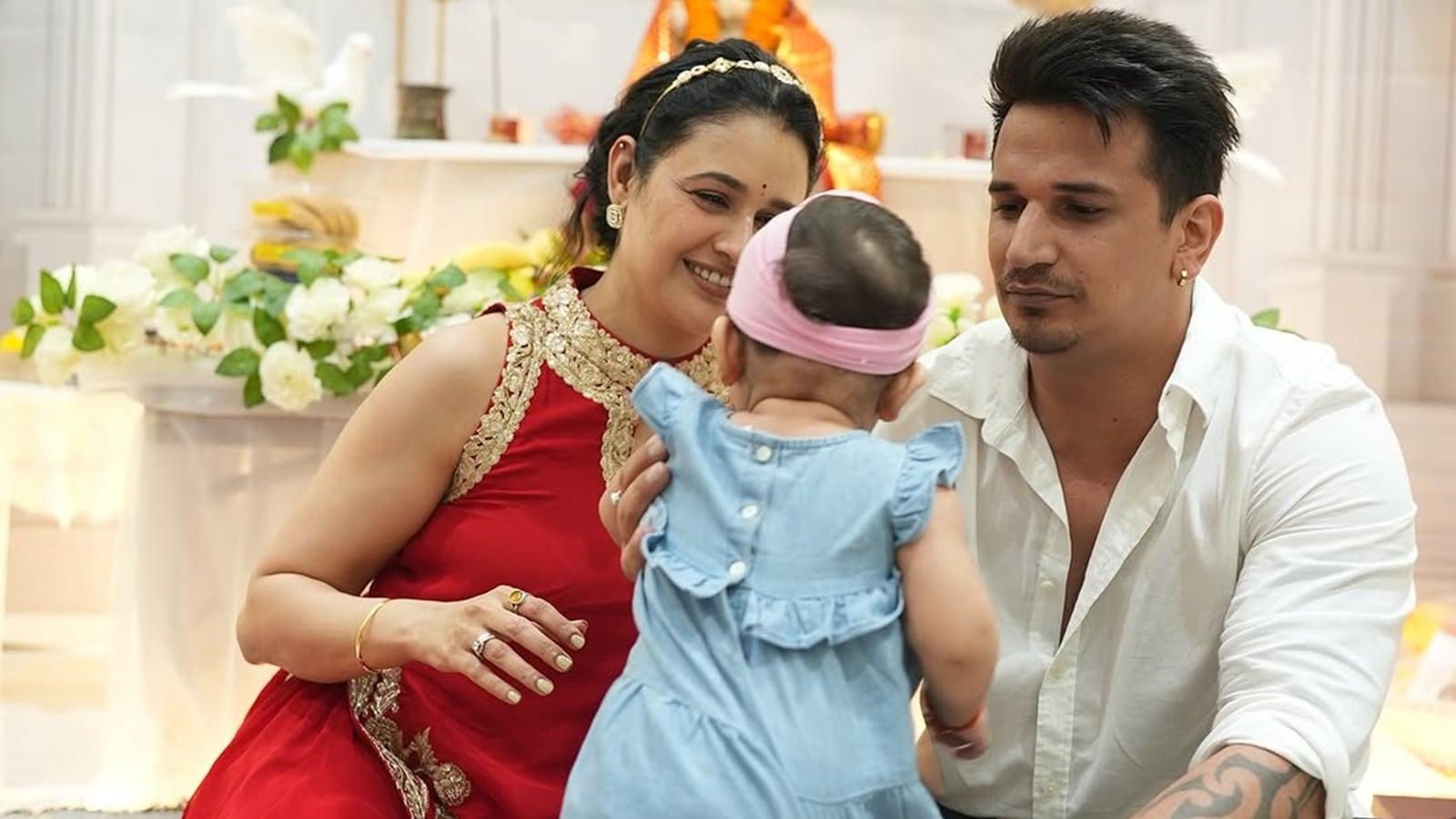

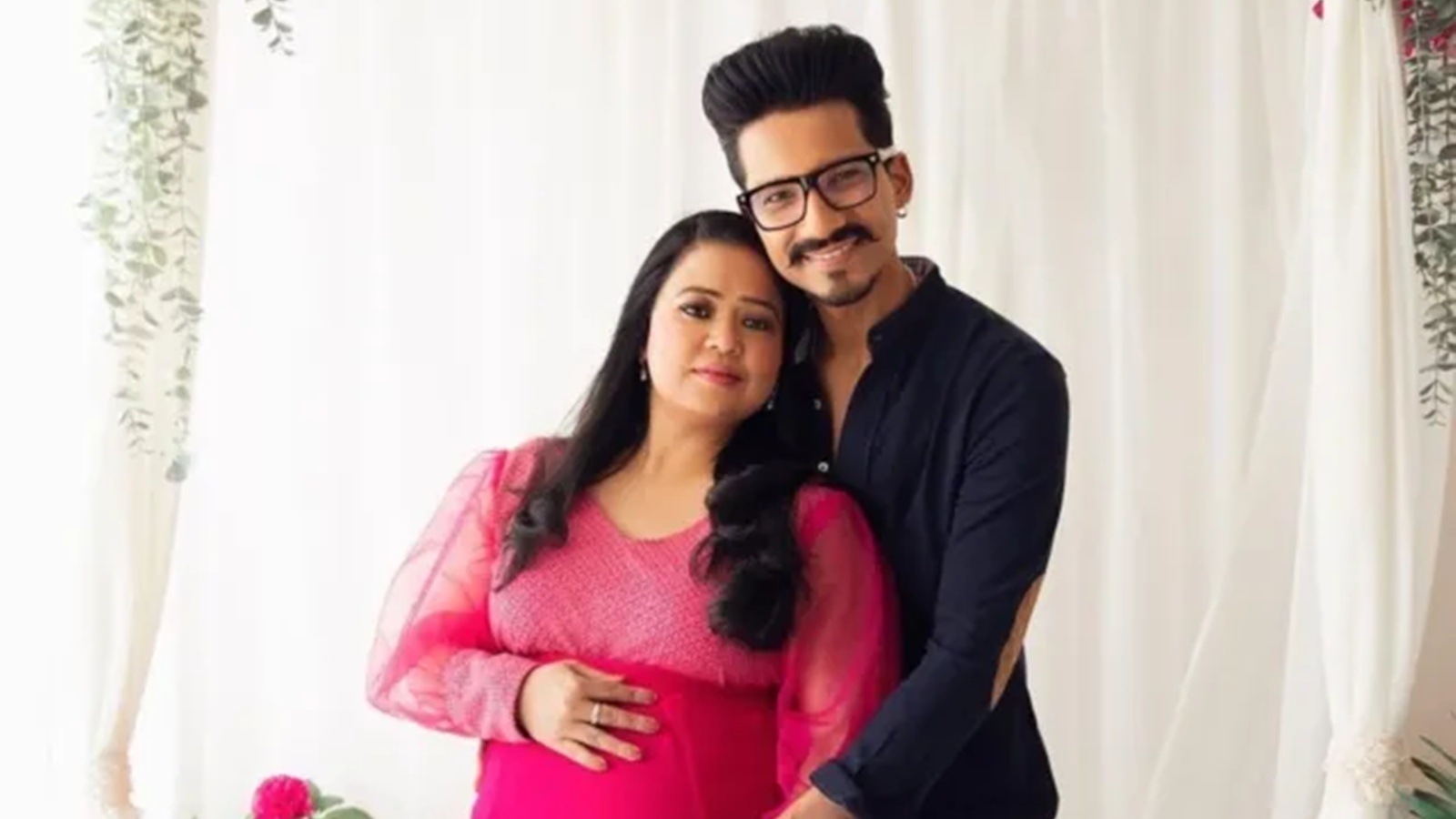
Comedian Bharti Singh, who recently gave birth to her second son, opened up about being asked about sterilisation at the operating table after giving birth. While she replied with a stern no, she expressed her long-standing desire for a daughter in a heartfelt conversation with her husband and screenwriter, Haarsh Limbachiyaa. In the family’s YouTube blog, Bharti, 41, said, “Ek baat hai…aap logon ko bata du. Doctor ne poocha tha sterilsation ke liye. Maine bola, ‘nahi.’ Unhone poocha nahi ki Harrsh ki karwani hai ya nahi, main toh nahi (I wanted to share with you all…doctor had asked me about sterilisation to which I responded no….they didn’t ask about whether Haarsh wants to get one).”
She also opened up about her desire for a daughter. “Pata nahi…jab bachcha ho jaata hai, aisa lagta hai..ek aur…ek ladki honi chahiye thi…ek ladki ho jaaye toh mazza aajaaye. Par teesra bhi ladka hogaya na, main ganji ho jaungi (When a child is born, you feel you want another one…I wish to have a daughter, but another son would be too much to handle),” said Bharti at the hospital.

During the conversation, a teary-eyed Bharti also admitted feeling scared when he water broke early in the morning at 6, and they had to rush to the hospital in an emergency.
Let’s understand more about female sterilisation and the road toward making the choice.
Dr Richa Bharadwaj, consultant obstetrician and gynaecologist, Wockhardt Hospitals, Mumbai Central, said sterilisation is a permanent choice, so informed counselling is essential. “Couples should make sure their family is complete and that their decision is not influenced by emotional, social, or financial stress, especially right after childbirth. We talk about age, number of children, overall health, future uncertainties, and whether both partners feel comfortable with the choice. Timing is also important; while sterilisation can be performed soon after delivery, it should not be rushed,” said Dr Bharadwaj.
How does female sterilisation compare with male vasectomy in terms of safety and recovery?
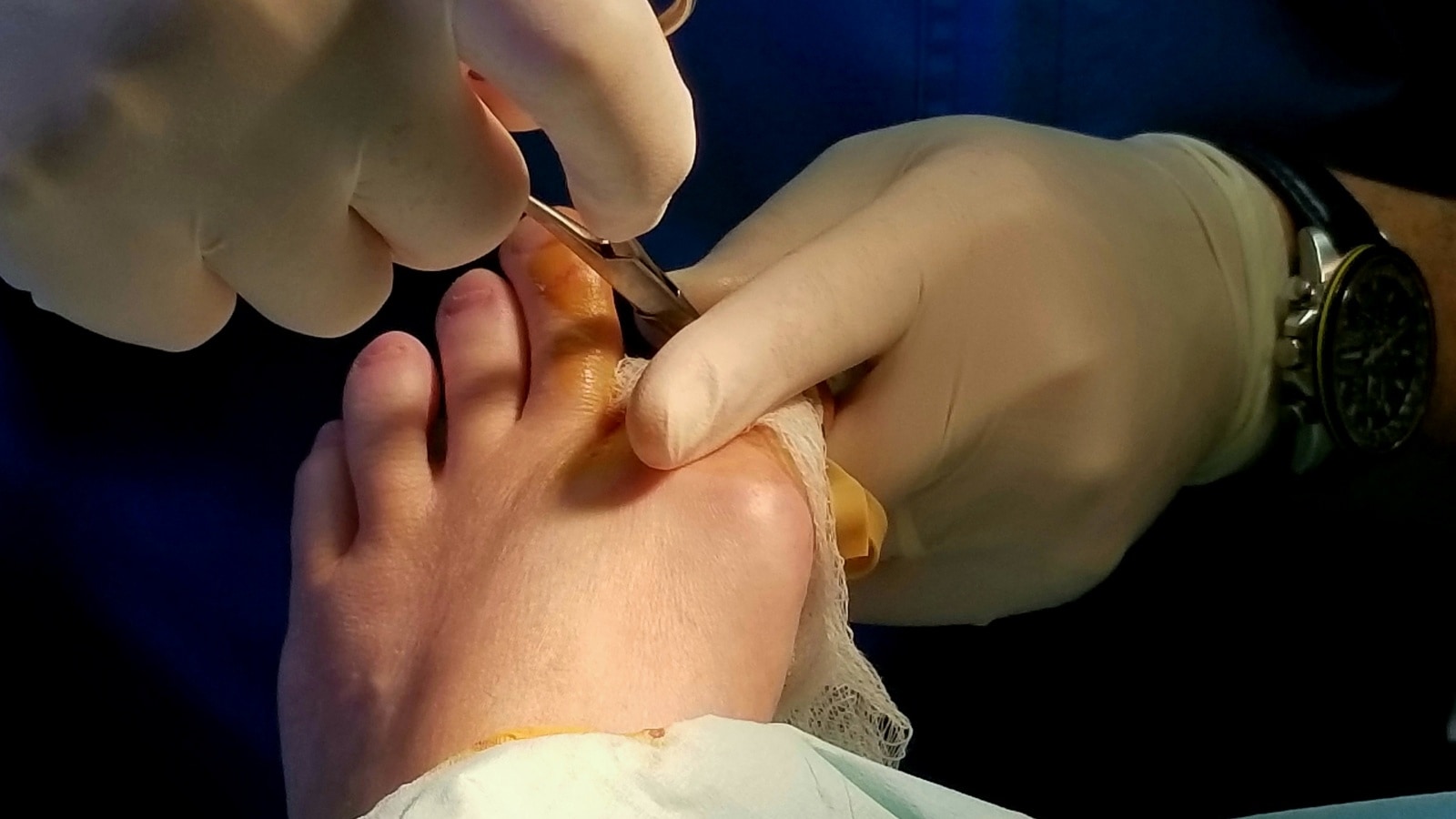
From a medical standpoint, vasectomy is simpler, safer, and involves a quicker recovery, said Dr Bharadwaj. “It is a minor outpatient procedure with few complications and does not impact sexual performance or masculinity, which are two common concerns. Female sterilisation is safe when performed correctly, but it is still a surgical procedure that requires anaesthesia and a longer recovery time. Health-wise, vasectomy places much less physical strain on the family.”
 Here’s what you should consider (Photo: Getty Images/Thinkstock)
According to Dr Bharadwaj, many men are apprehensive about vasectomy due to myths about weakness or loss of sexual function, while women are often expected to “adjust.” “As doctors, we increasingly promote shared responsibility because contraception should be a joint decision, not a sacrifice by one partner,” said Dr Bharadwaj.
Story continues below this ad
What options exist for couples who are unsure about permanent sterilisation?
Notably, there are several effective long-term but reversible options today.
“These include intrauterine devices (IUDs), hormonal implants, injectables, and oral contraceptives. These methods give couples time to decide without making a permanent commitment,” said Dr Bharadwaj.
DISCLAIMER: This article is based on information from the public domain and/or the experts we spoke to. Always consult your health practitioner before starting any routine.