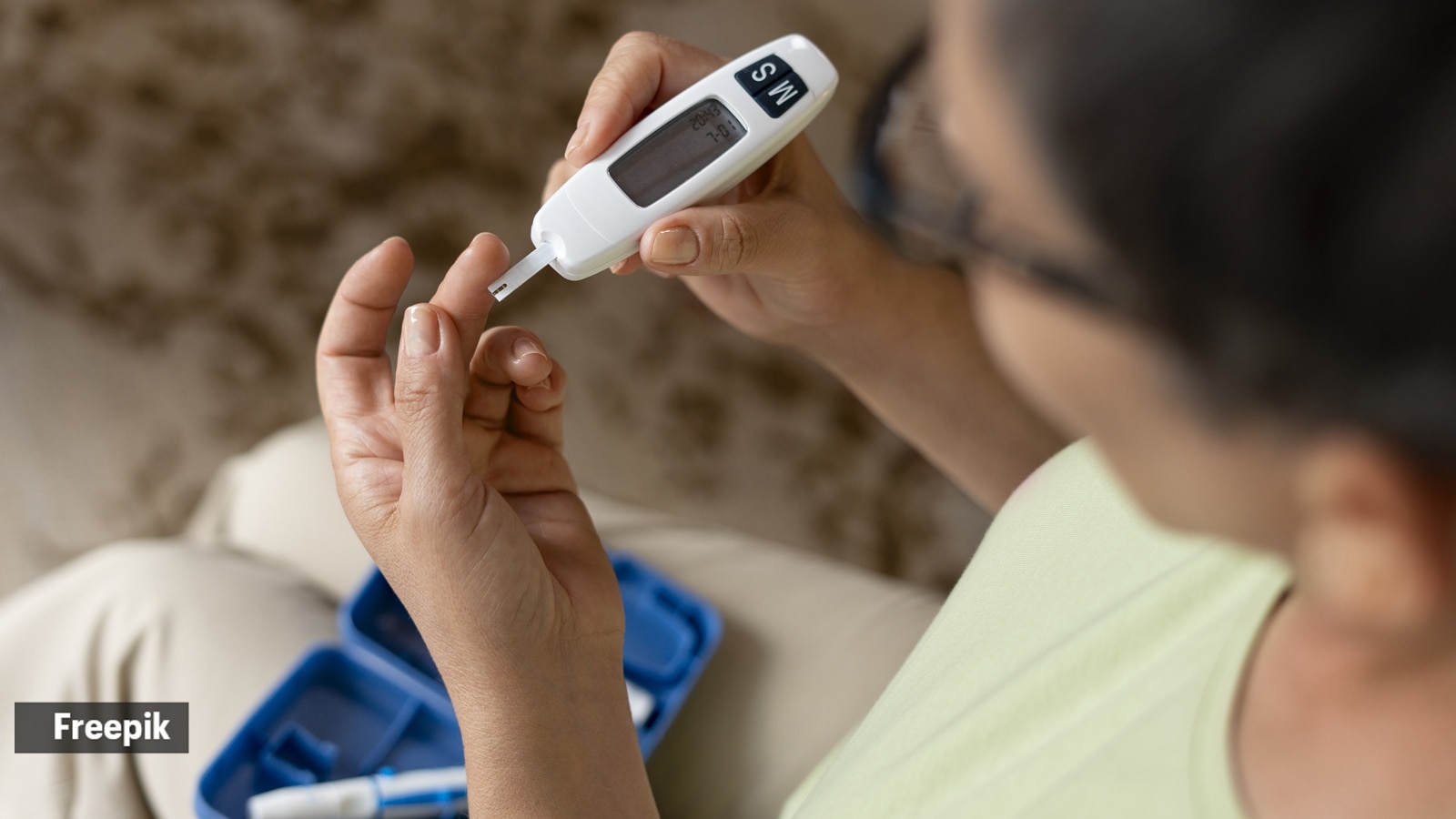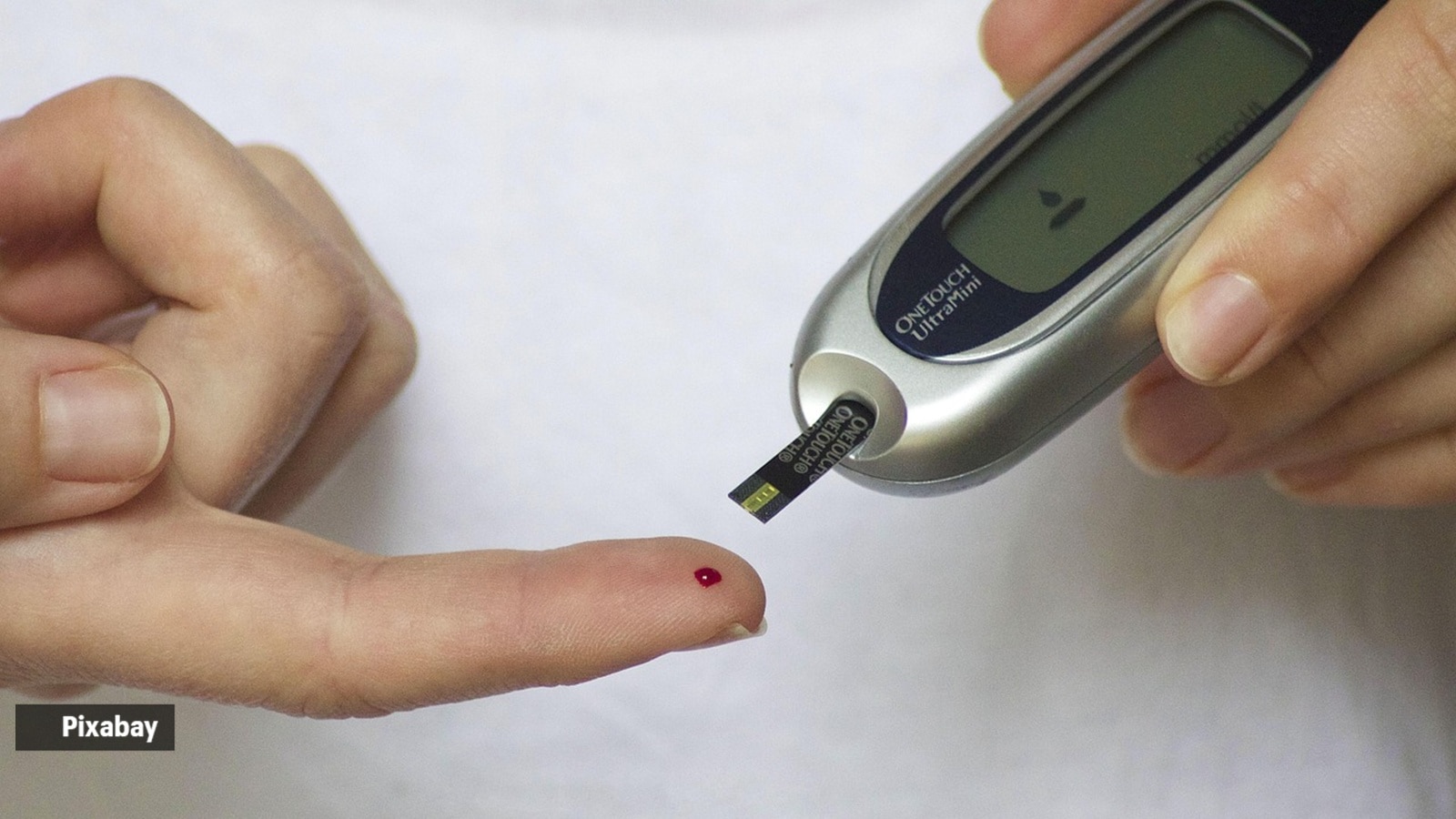


Ozempic (injectable semaglutide), one of the most evidence-backed advancements in diabetes care, was recently launched in India. The arrival of Ozempic marks an important milestone, but like all potent therapies, it must be used under proper medical supervision, experts caution.
Approved globally since 2017, experts say that Ozempic has consistently demonstrated “robust efficacy” in lowering blood sugar and helping patients achieve durable glycaemic control with a low risk of hypoglycaemia, says Dr Rajiv Kovil, head of diabetology, Zandra Healthcare.

Why is there so much interest in Ozempic?
Ozempic (semaglutide) is a once-weekly injectable medication originally developed to manage Type 2 diabetes. “It works by mimicking a natural gut hormone (GLP-1) that helps regulate blood sugar, slows stomach emptying, and reduces appetite,” says Dr Pranav Ghody, consultant endocrinologist and diabetologist, Wockhardt Hospitals, Mumbai Central.
Its additional effect of weight loss has driven global interest, especially among people struggling with obesity linked to diabetes or metabolic disorders, adds Dr Ghody.
Primarily prescribed for adults with Type 2 diabetes, particularly those who are overweight or have difficulty achieving sugar control with oral medications alone, it may also be considered for weight management under “strict medical supervision”. “It is not meant for cosmetic weight loss or casual use,” contends Dr Ghody.
Beyond lowering glucose levels, one of Ozempic’s most important contributions is kidney protection: clinical trials have shown almost 24 per cent reduction in progression of kidney disease among people living with diabetes and Chronic Kidney Disease (CKD), says Dr Kovil.
However, Ozempic must be initiated and monitored strictly by trained experts.
Story continues below this ad
Dr Kovil notes that it should not be used in individuals with a personal or family history of medullary thyroid carcinoma. “Previous episodes of pancreatitis or chronic pancreatitis are relative contraindications and require careful specialist evaluation. Common side effects include nausea, vomiting, reduced appetite, constipation, or diarrhoea, which are usually transient and manageable when the drug is appropriately titrated,” says Dr Kovil.
“These symptoms usually settle as the body adjusts. However, it must be avoided in people with a history of certain thyroid cancers or pancreatitis. Self-medication can be risky,” says Dr Ghody.
 Would you use Ozempic? (Photo: PR Handout)
“This is not a shortcut solution,” asserts Dr Ghody, adding that “Ozempic works best when combined with lifestyle changes such as dietary control, physical activity, and regular monitoring. Patients must understand that it is a long-term therapy, and stopping it abruptly may lead to weight regain or loss of glucose control.”
Treatment plans must be individualised, experts state. “When prescribed appropriately and monitored regularly, it is considered safe. Ongoing follow-up with an endocrinologist is essential to track sugar levels, weight, and side effects,” concludes Dr Ghody.
Story continues below this ad
DISCLAIMER: This article is based on information from the public domain and/or the experts we spoke to. Always consult your health practitioner before starting any routine.