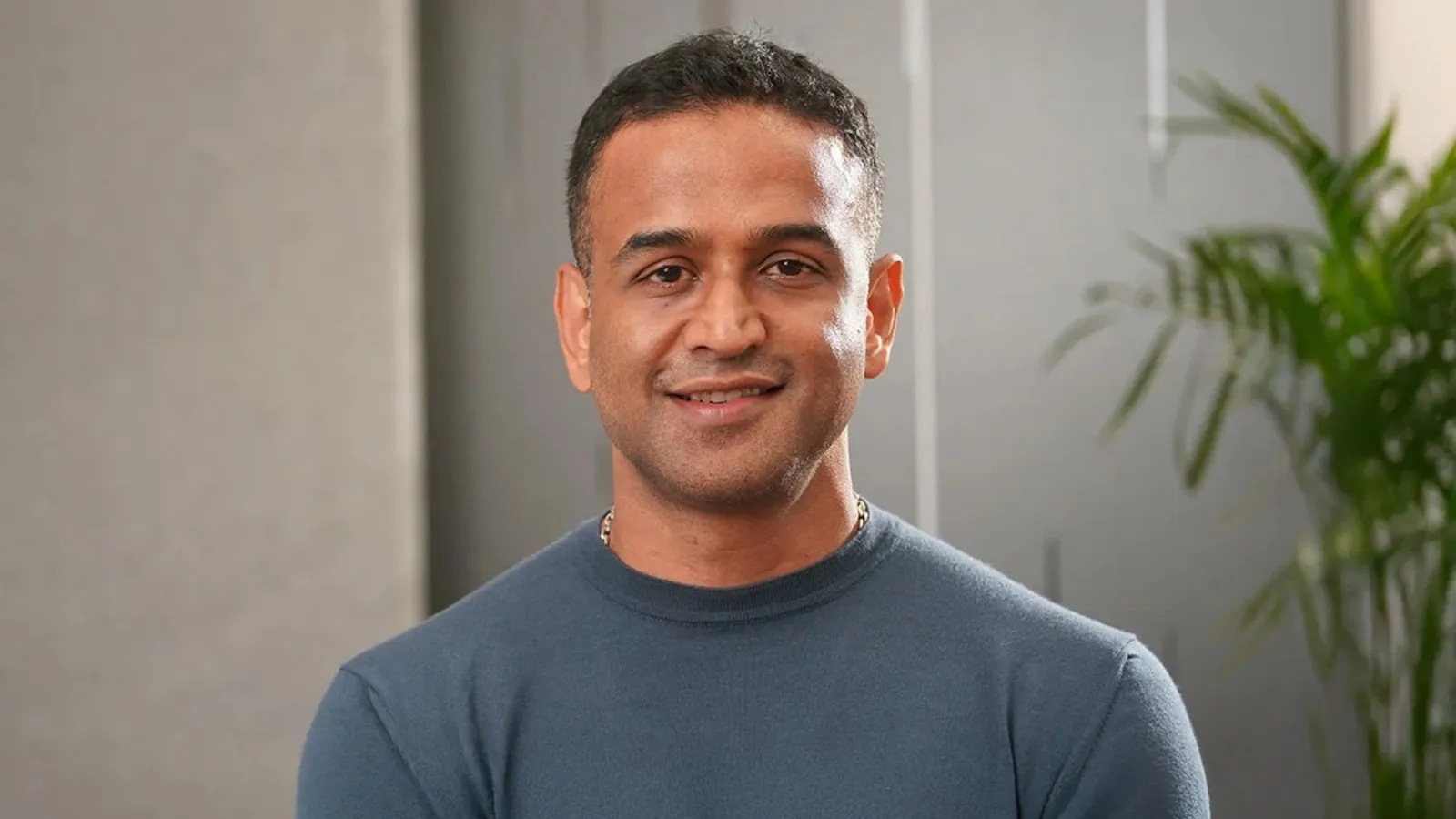

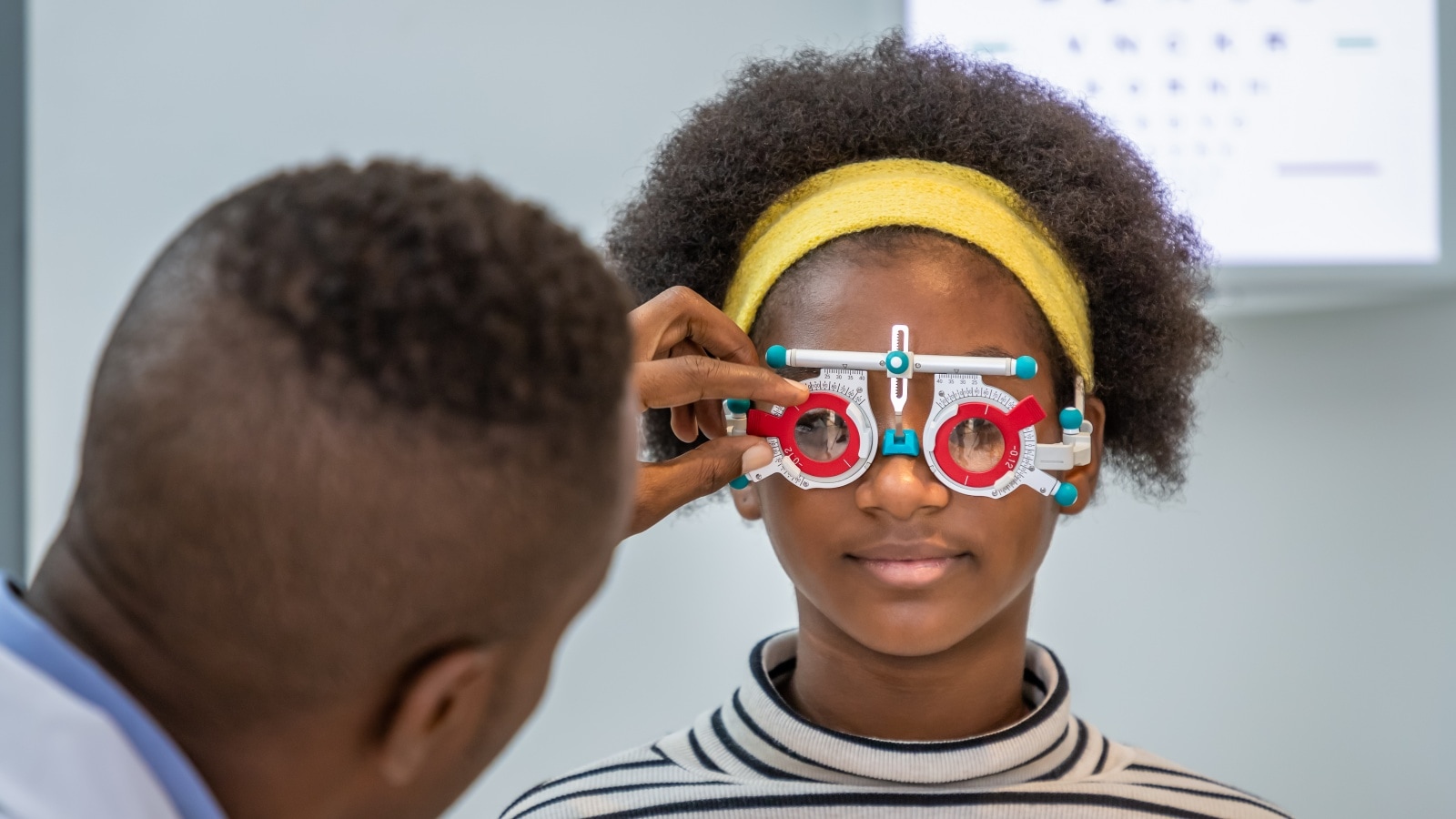
Children’s eye health is vitally important, yet many parents may overlook when to have their child’s first comprehensive eye examination. According to Dr Rajesh Prabhu, senior consultant in pediatric ophthalmology and squint at Sankara Eye Hospital, Coimbatore, eye checkups should ideally start very early in life.
“Eye checkups should ideally begin as early as six months of age,” Dr Prabhu explains, followed by another screening at three years, before starting school, and then annually thereafter. This early timing is medically important because the eyes and visual system develop extremely rapidly during infancy.

Identifying structural or developmental issues, such as congenital cataracts, eye alignment problems, or refractive errors, as soon as possible gives children the best chance of effective treatment.
Importance of early screening
Dr Prabhu highlights a crucial point often missed by parents: “Many parents delay this and thereby miss a crucial eye rule.” Timely intervention during infancy and early childhood can ensure normal visual development and prevent permanent vision loss. Some eye conditions require early detection to be treated successfully.
He points out that disorders such as amblyopia or “lazy eye,” and misalignment of the eyes are treatable only when caught early, and “Delayed detection reduces the window for successful correction.”
Early screening also lets the doctor assess visual development and rule out serious congenital diseases by evaluating tracking, fixation, pupil reflexes, and eye alignment.
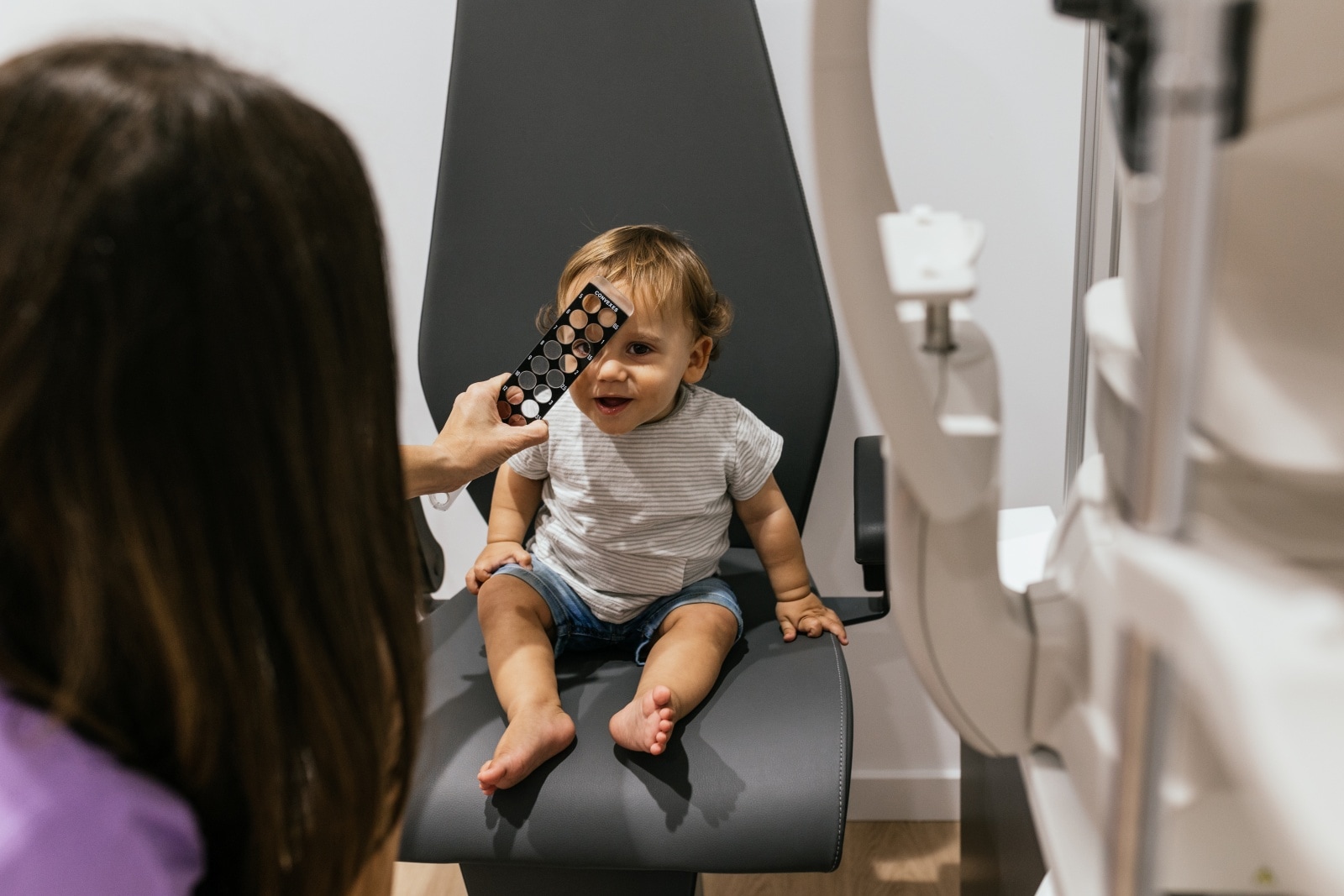 Eyes and visual system develop extremely rapidly during infancy
Warning signs
Parents should watch for subtle early signs of vision problems. Dr Prabhu said, “Frequent eye rubbing, squinting, excessive blinking, or holding objects very close to the eyes” can be signs. Other red flags include tilting the head to focus, trouble tracking moving objects, avoiding reading or screen tasks, often complaining of headaches, persistent eye misalignment, or unusual light sensitivity.
Story continues below this ad
Undetected vision problems can significantly affect a child’s development and school performance. Poor vision may lead to difficulty reading and writing, increased eye fatigue and headaches, and behavioural issues.
Children may act out or seem disinterested in class when, in fact, their vision is the issue. Once the initial infant exam is complete, children should have eye checks again at age 3, before school starts, and then every 1 to 2 years after that. For children who wear glasses or have known eye conditions, more frequent monitoring is essential to keep prescriptions up to date and vision healthy.
DISCLAIMER: This article is based on information from the public domain and/or the experts we spoke to. Always consult your health practitioner before starting any routine.