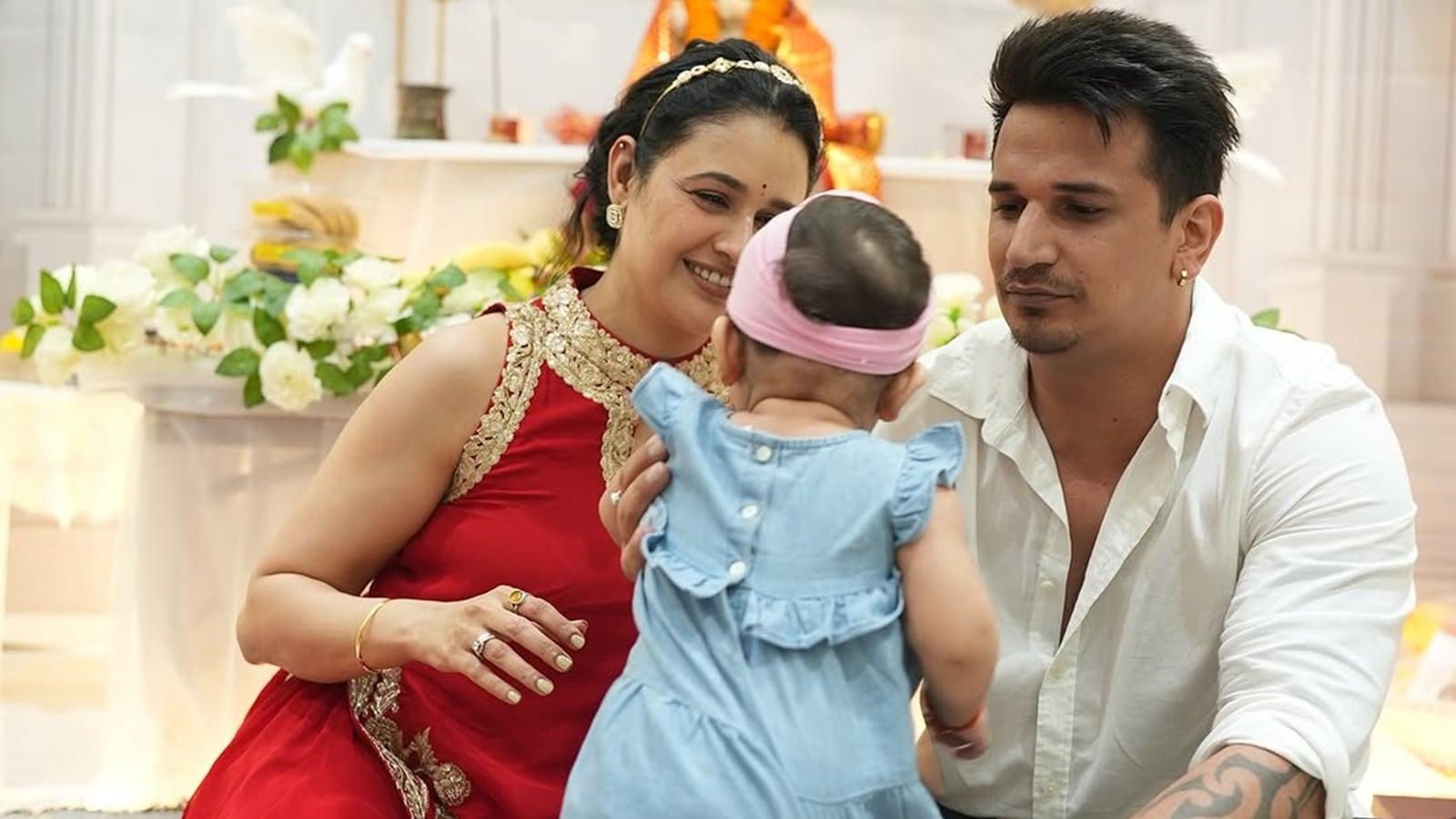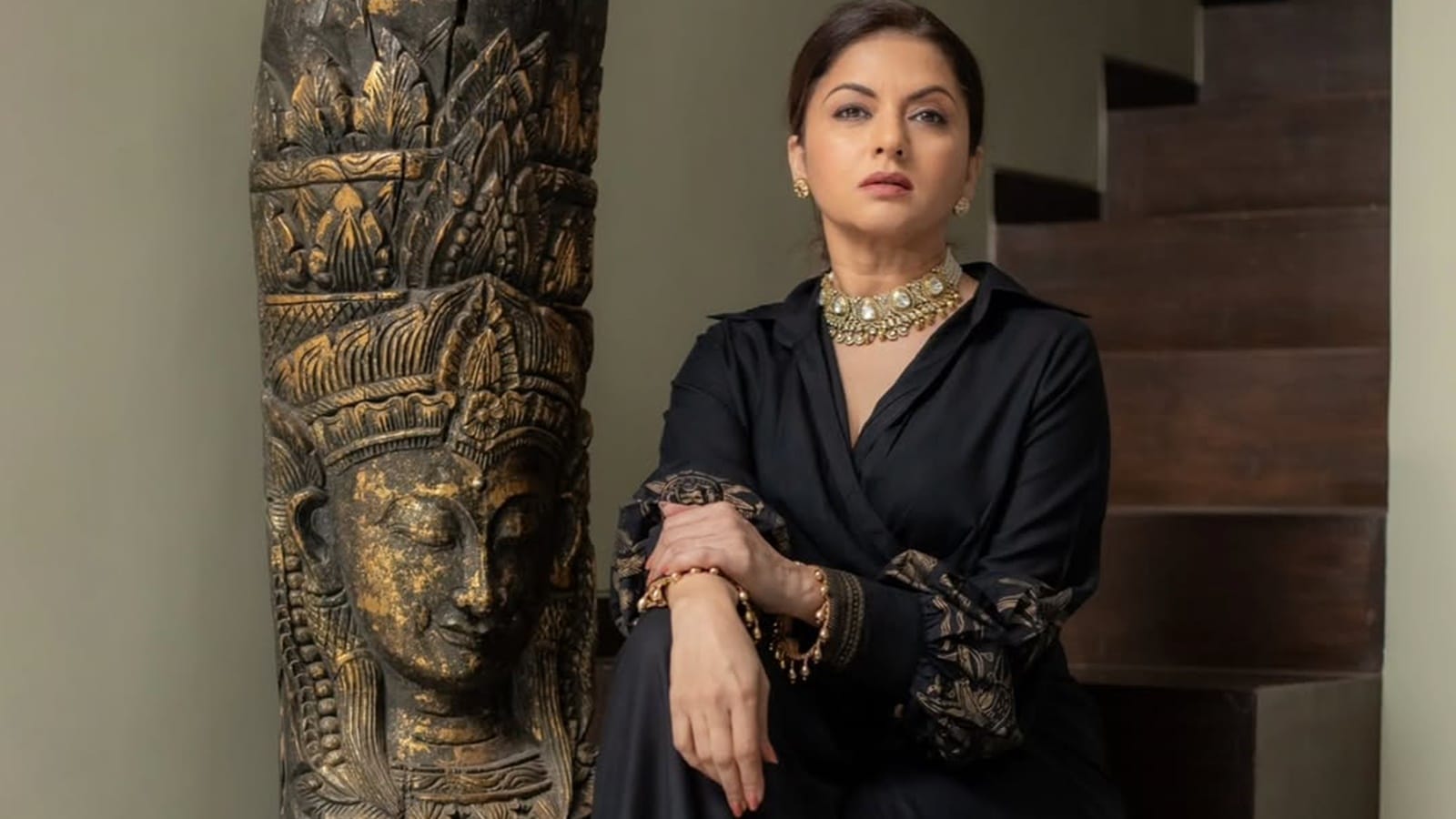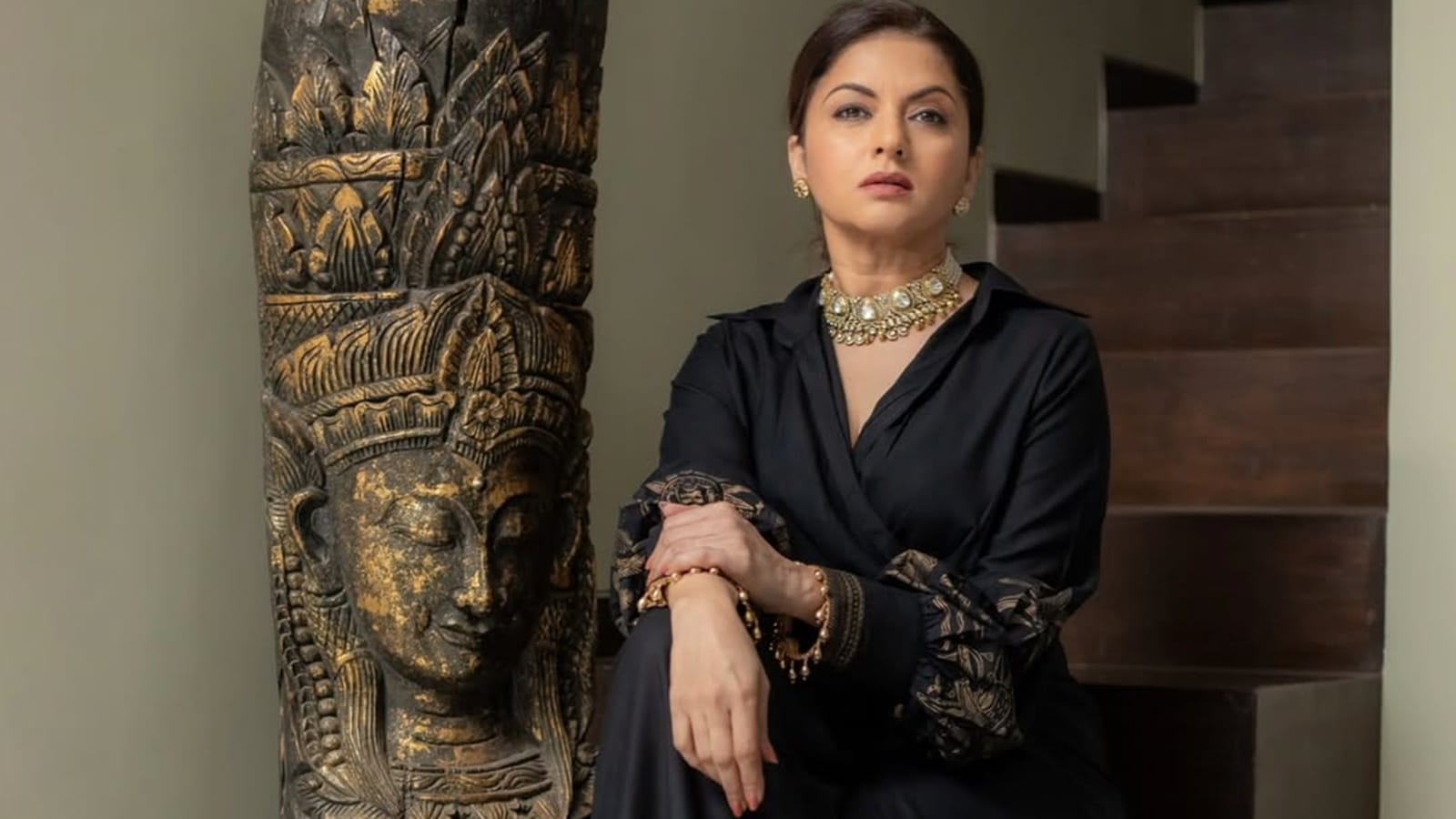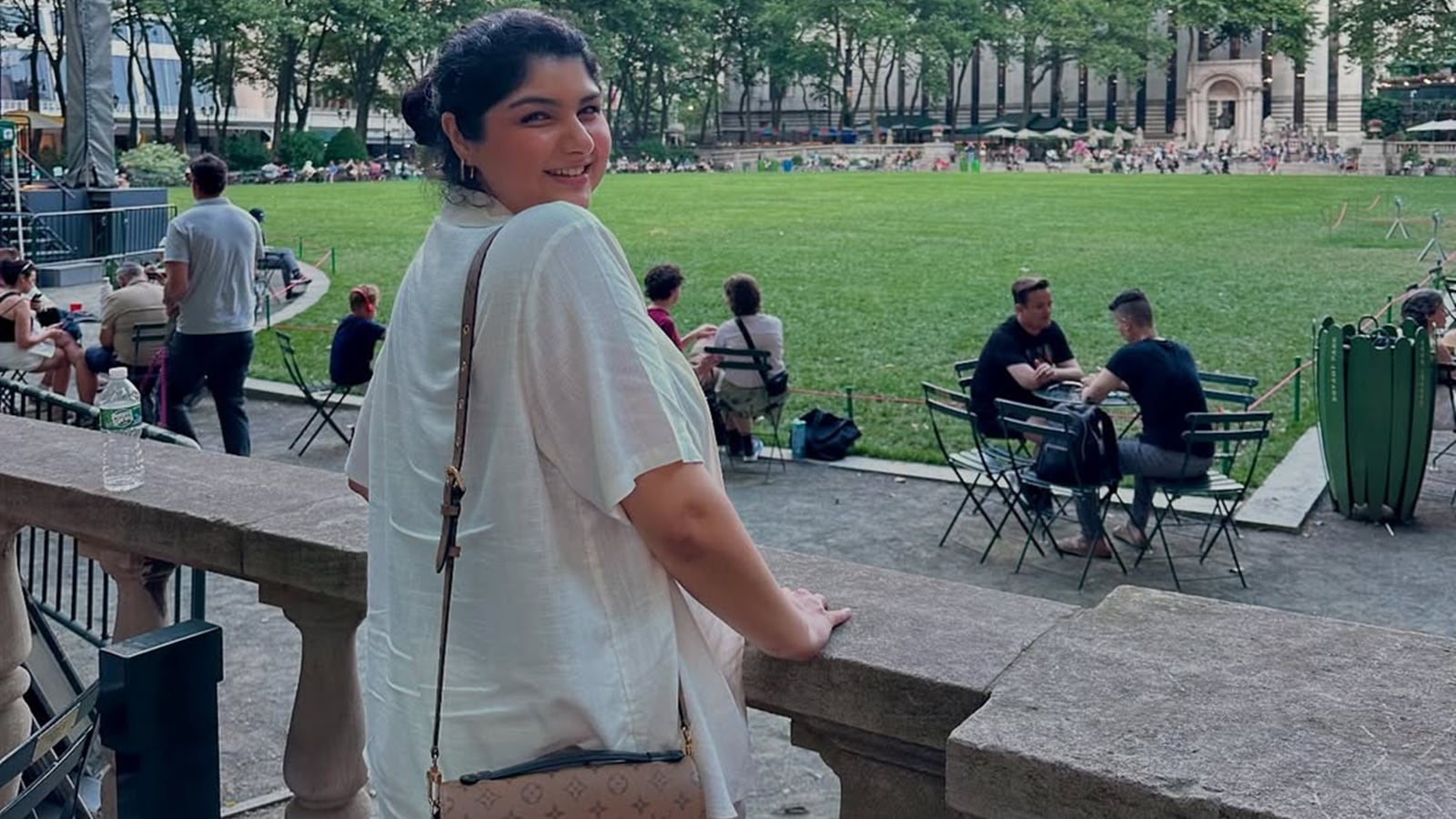


Hina Khan, who has been undergoing treatment for breast cancer stage 3, recently shared a health update, revealing her family has a history of cancer. “Recovering. Healing. Getting better. It’s been a long journey. Chemotherapies and immunotherapies are almost over. We keep a check on it. We do scans and everything. So far so good,” the 38-year-old told Soha Ali Khan on the latter’s YouTube podcast.
The Yeh Rishta Kya Kehlata Hai actor added that “fear” made her particular about self-physical examination, because of which she was able to detect a lump in her breast. “I have always believed in self-physical examination. This is how I managed to check my lump. I don’t think a once-a-year scan is enough. I think every woman should be taught how to self-examine…every 15-20 days.”

Hina disclosed, “Because we have had a history, we were aware of the fact that this is a possibility, but I never thought it was going to happen to me. But I was well aware.”
Taking a cue from her admission, let’s understand how a cancer history in the family is a warning sign.
Family history does matter, but it is just one part of a much larger picture. Understanding it correctly can replace fear with clarity, urged Dr Meghal Sanghavi, oncosurgeon, Wockhardt Hospitals, Mumbai Central.
Close relatives, like a mother, sister, aunt, or grandmother, who have been diagnosed with cancer, sometimes at a younger age, can indicate a higher inherited risk. Still, it does not mean cancer is unavoidable, elucidated Dr Sanghavi. Many people with a family history never develop the disease, while others with no known history sometimes do.
According to Dr Sanghavi, specific gene changes can be passed down through generations. “These genes might affect how the body repairs damaged cells. When repair mechanisms are weaker, abnormal cells can survive longer and multiply. Lifestyle factors also strongly influence whether these genetic risks lead to disease,” said Dr Sanghavi.
Story continues below this ad
Does inherited risk mean cancer will show up early in life?
Not necessarily, clarified Dr Sanghavi. “Some inherited cancers tend to appear earlier, but the timing varies widely among individuals. Knowing the family pattern helps people stay alert and proactive rather than anxious.”
What signs should people with a family history watch for?
Subtle changes matter. Dr Sanghavi mentioned that new lumps, persistent pain, changes in breast shape, skin texture, nipple discharge, or unexplained fatigue should not be ignored. “These signs often turn out to be harmless, but early evaluation can make a crucial difference,” said Dr Sanghavi.
Story continues below this ad
Regular exercise, maintaining a healthy weight, limiting alcohol, managing stress, and getting enough sleep help regulate hormones and reduce long-term inflammation. “These steps don’t erase genetic risk, but they can significantly lower overall chances,” said Dr Sanghavi.
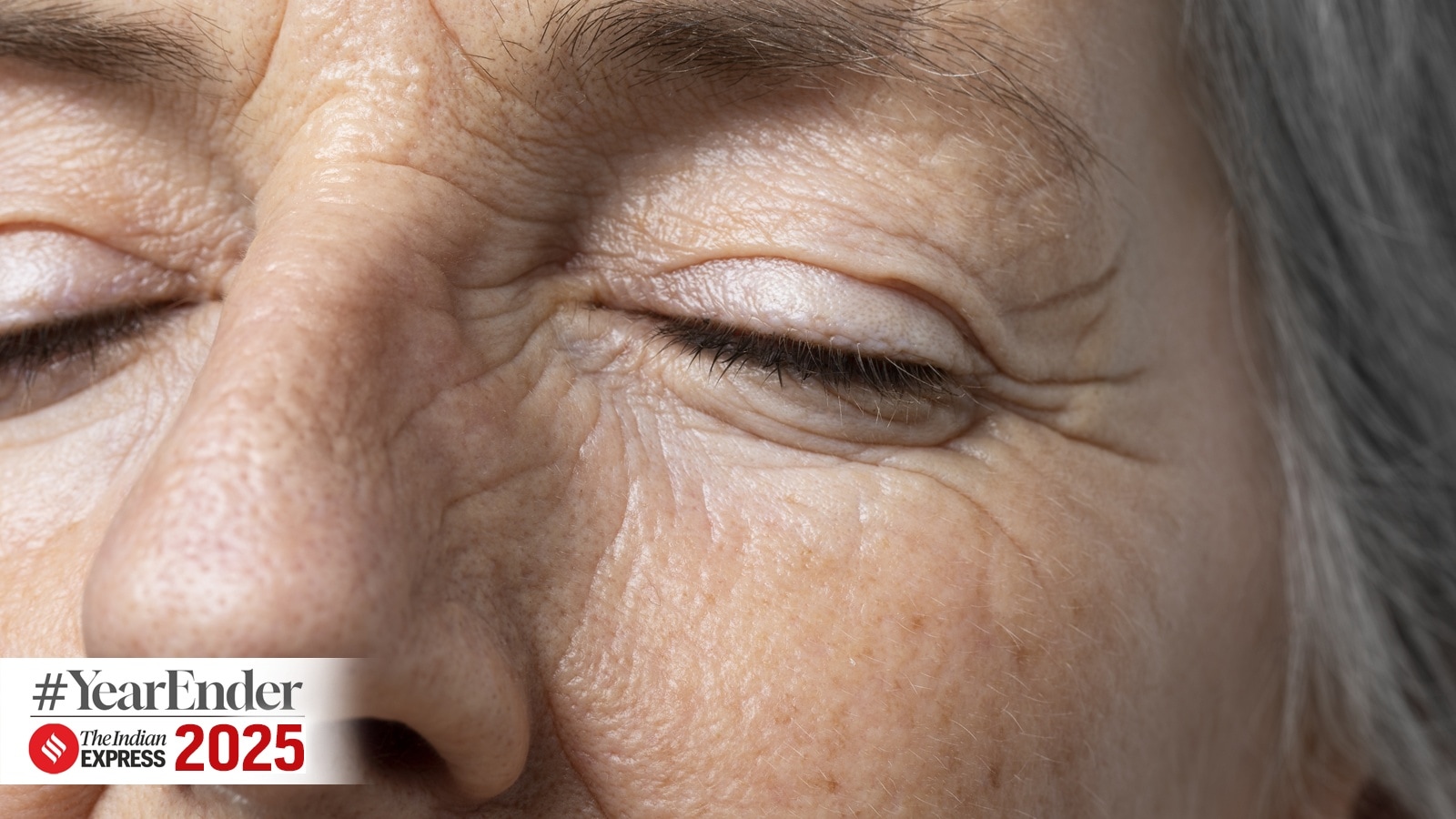
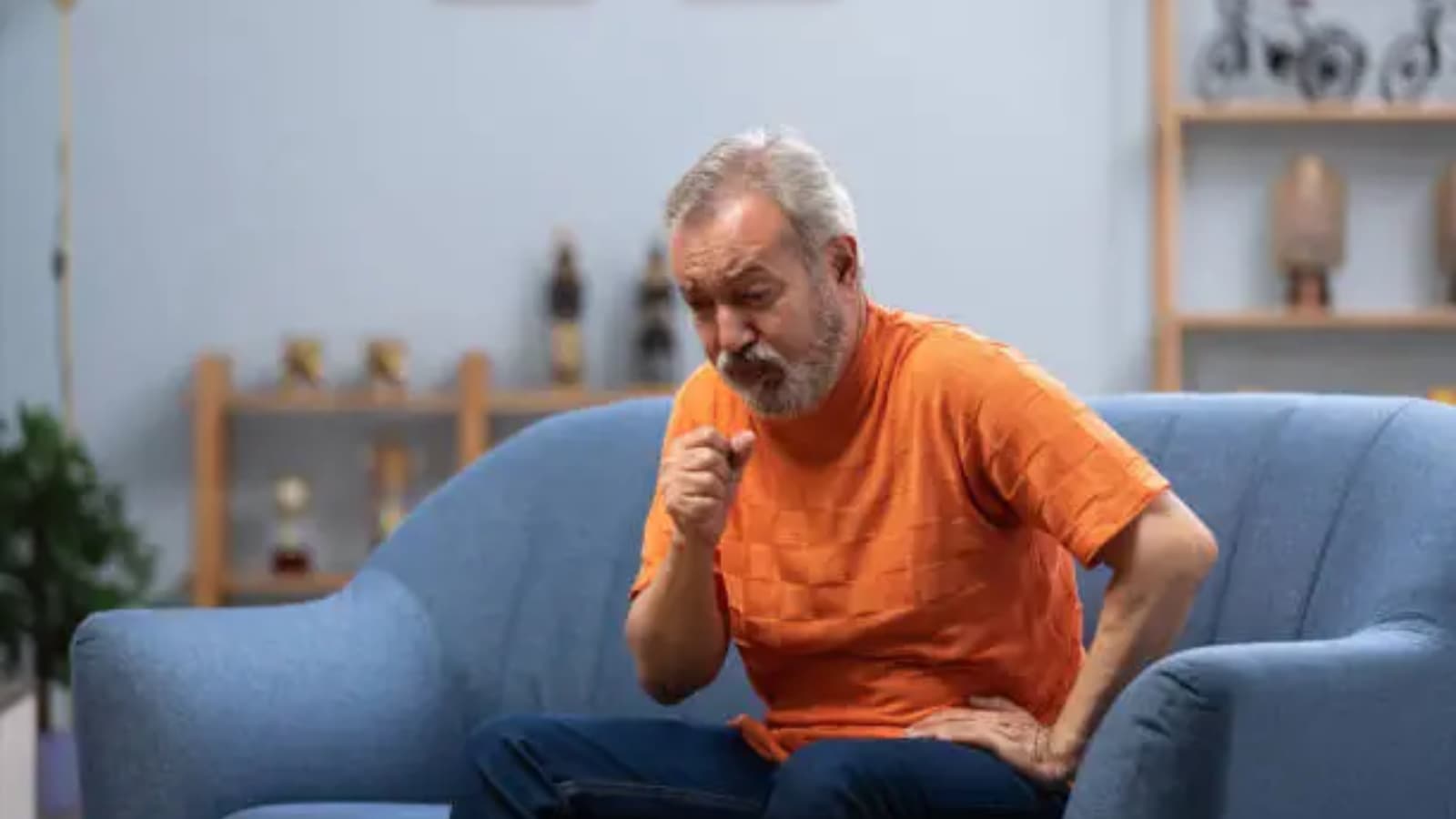
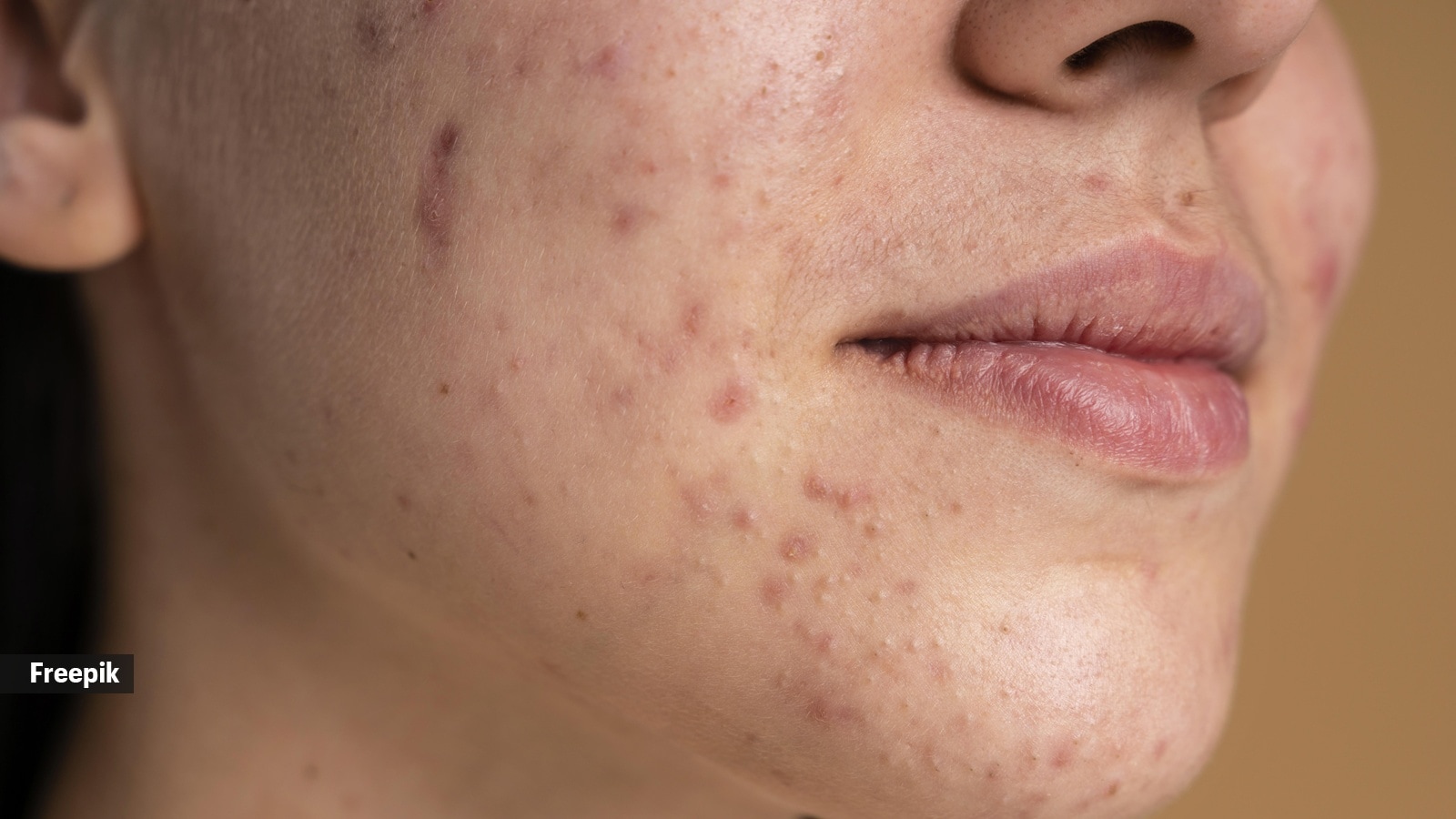
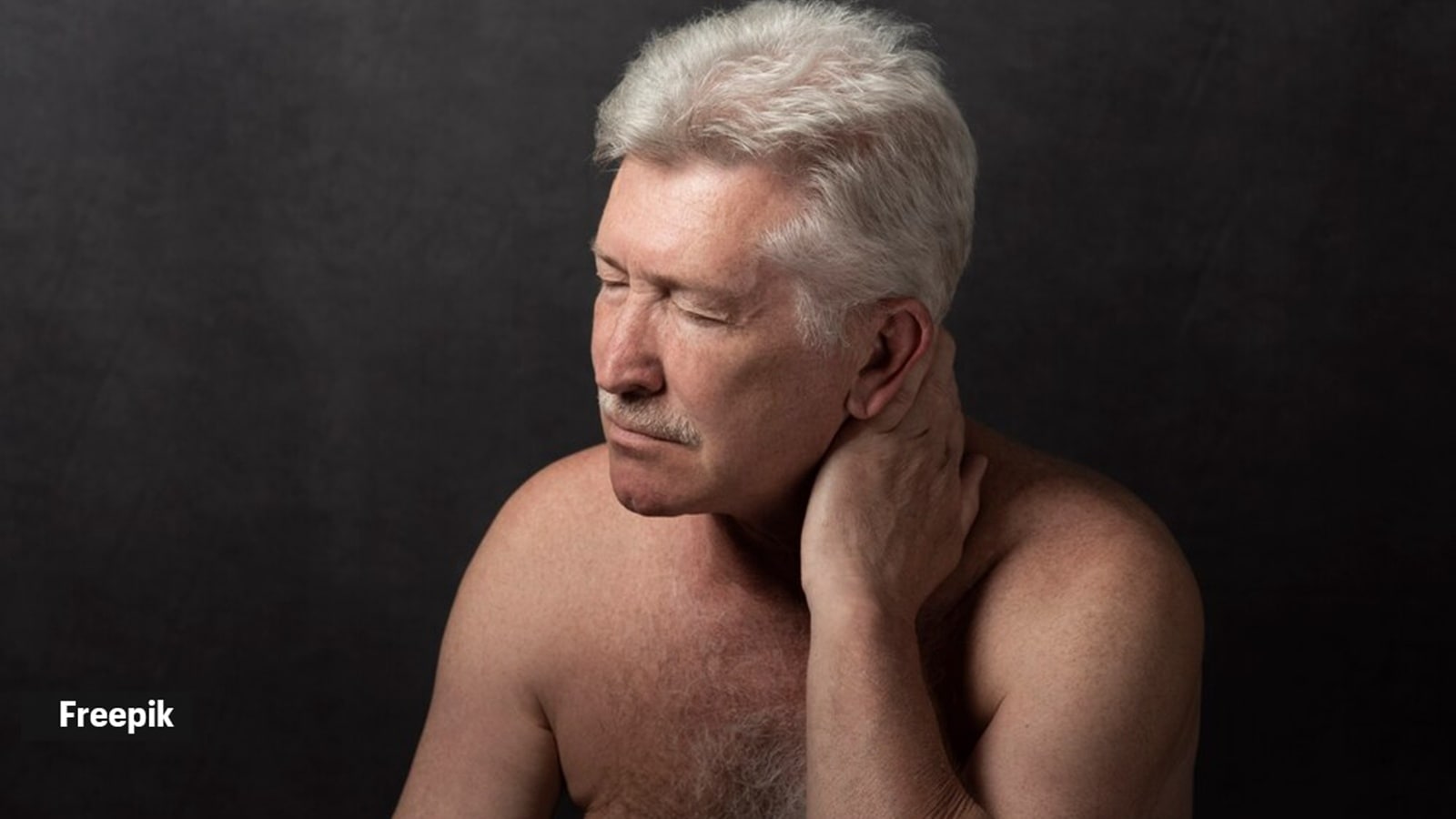
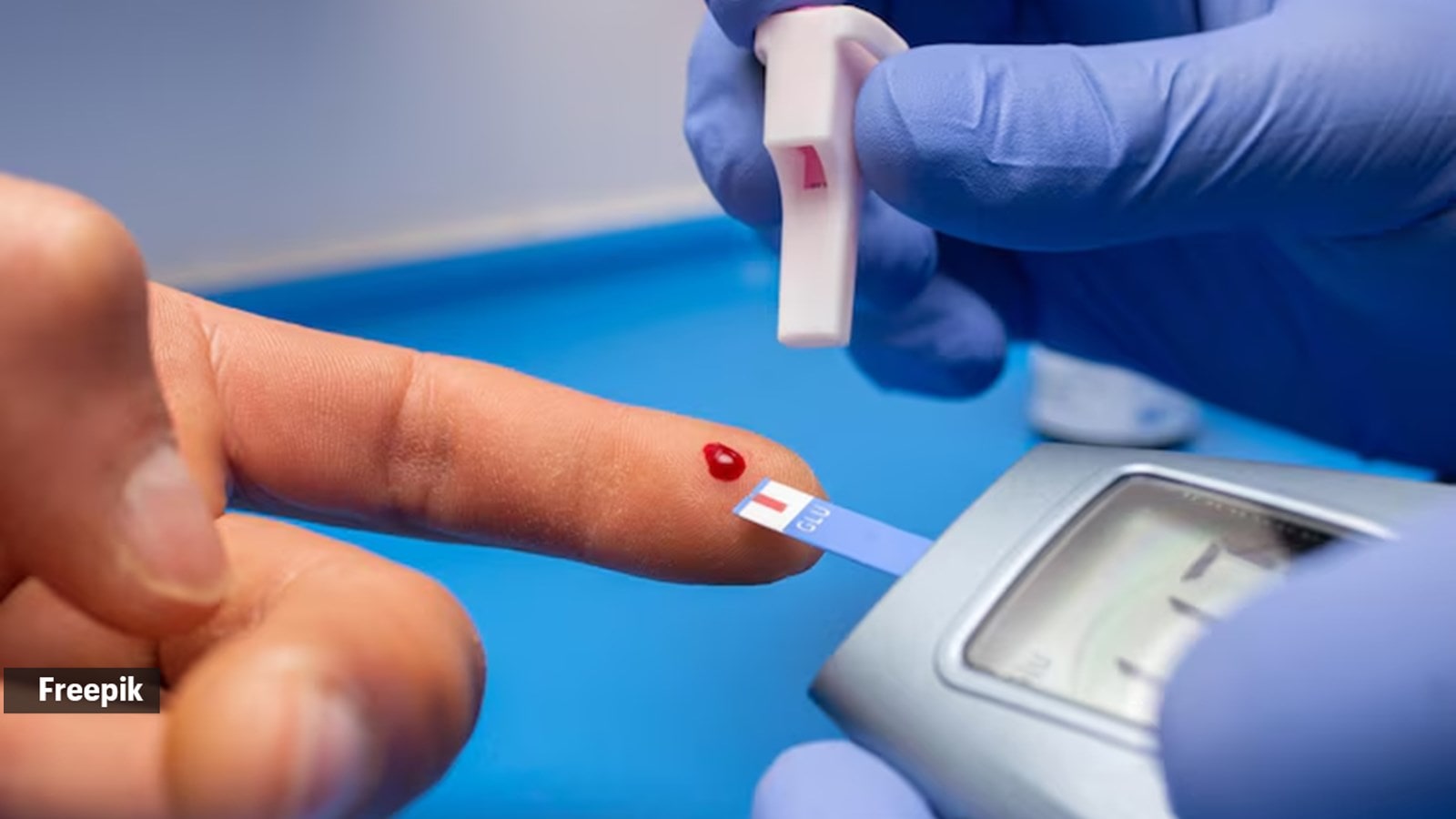
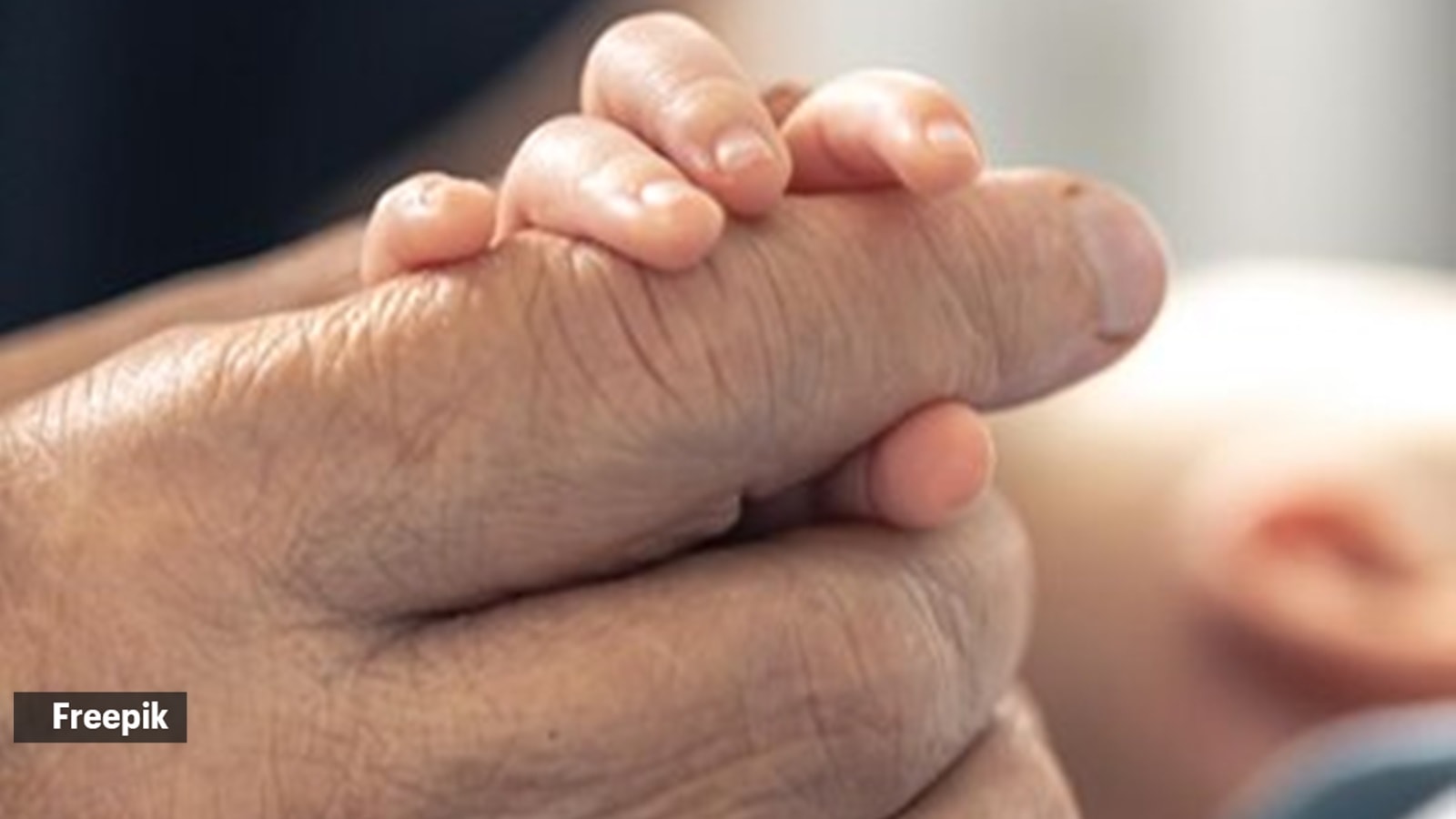
 Is there a risk of cancer in the family? (Photo: Freepik)
Should screening start earlier in these cases?
Often, yes, affirmed Dr Sanghavi. “Screening may begin earlier or occur more often with a known family pattern. Early screening can detect changes before symptoms appear, making treatment simpler and recovery outcomes better.”
Why is family conversation meaningful?
Story continues below this ad
Silence delays awareness. “Open discussions help younger family members understand their risk and take informed steps early, rather than reacting late,” said Dr Sanghavi.
DISCLAIMER: This article is based on information from the public domain and/or the experts we spoke to. Always consult your health practitioner before starting any routine.