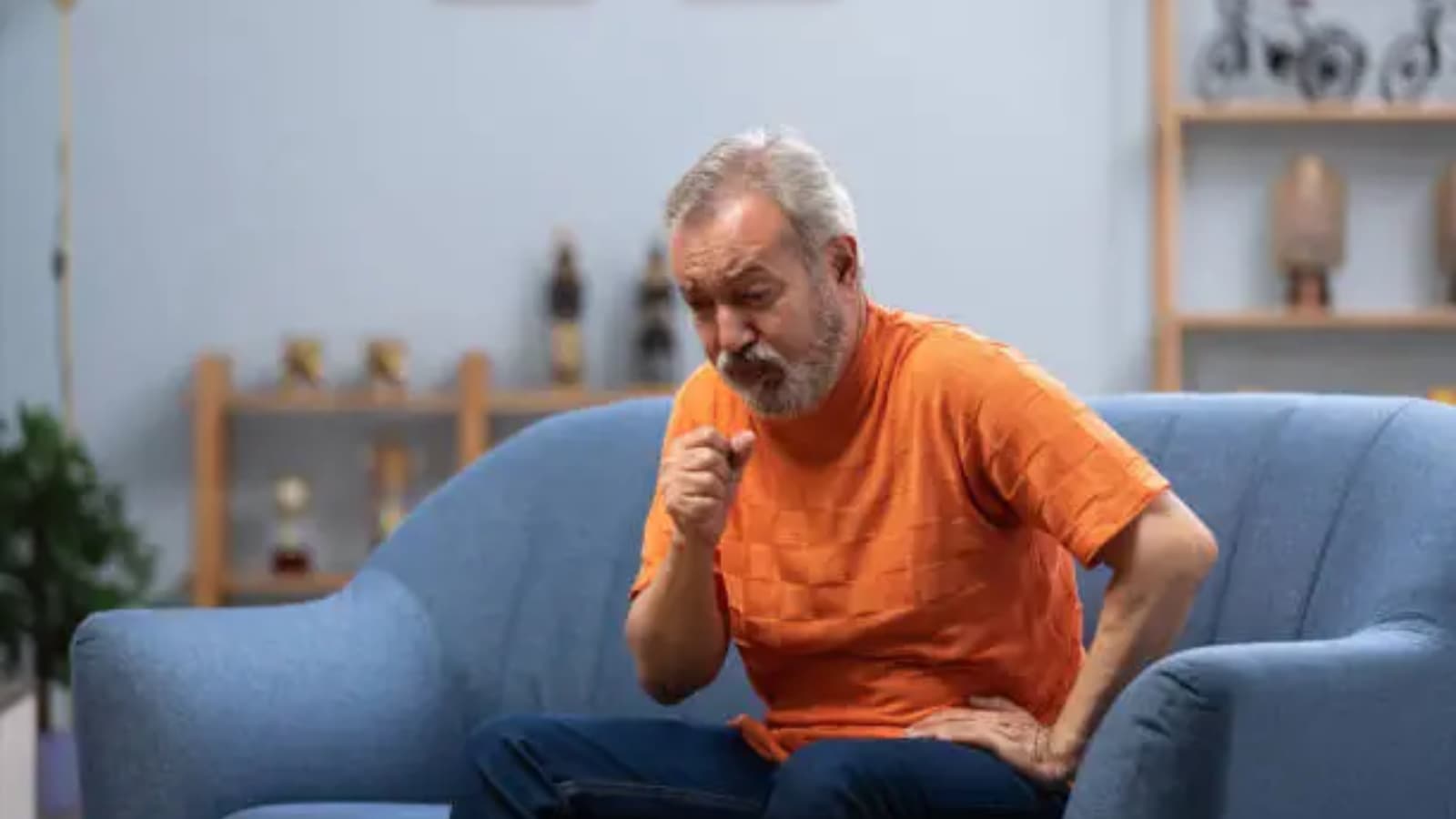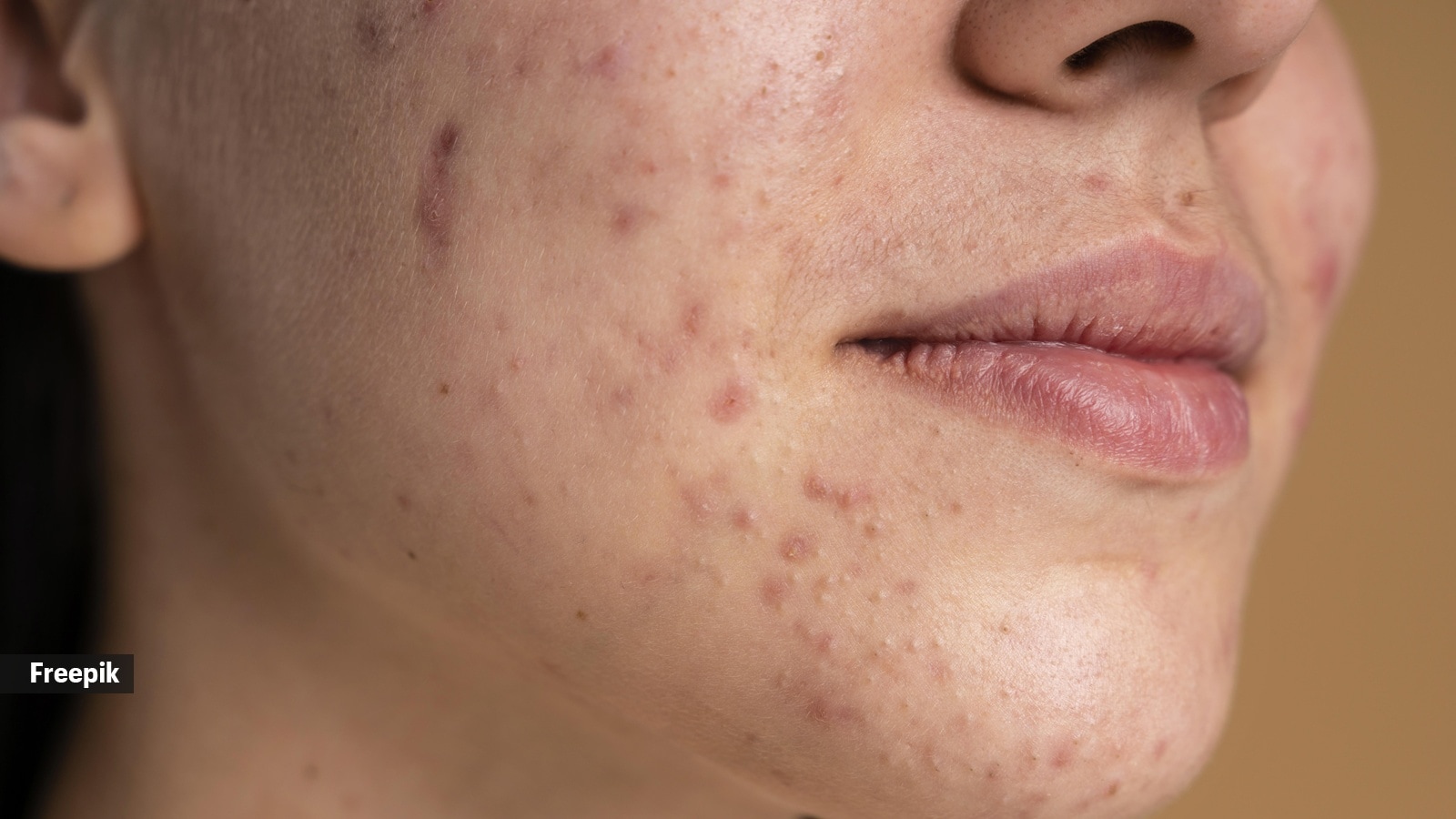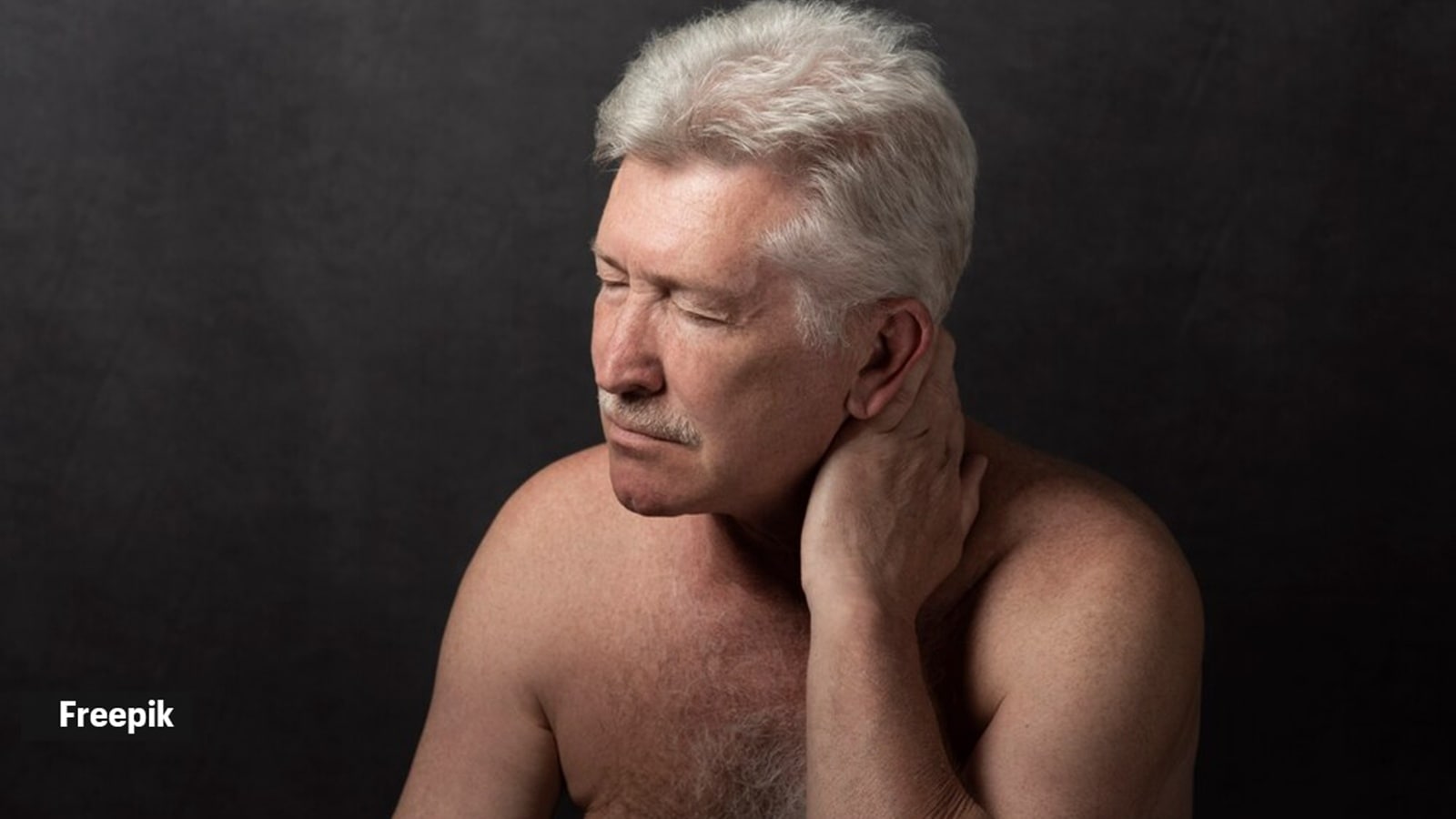

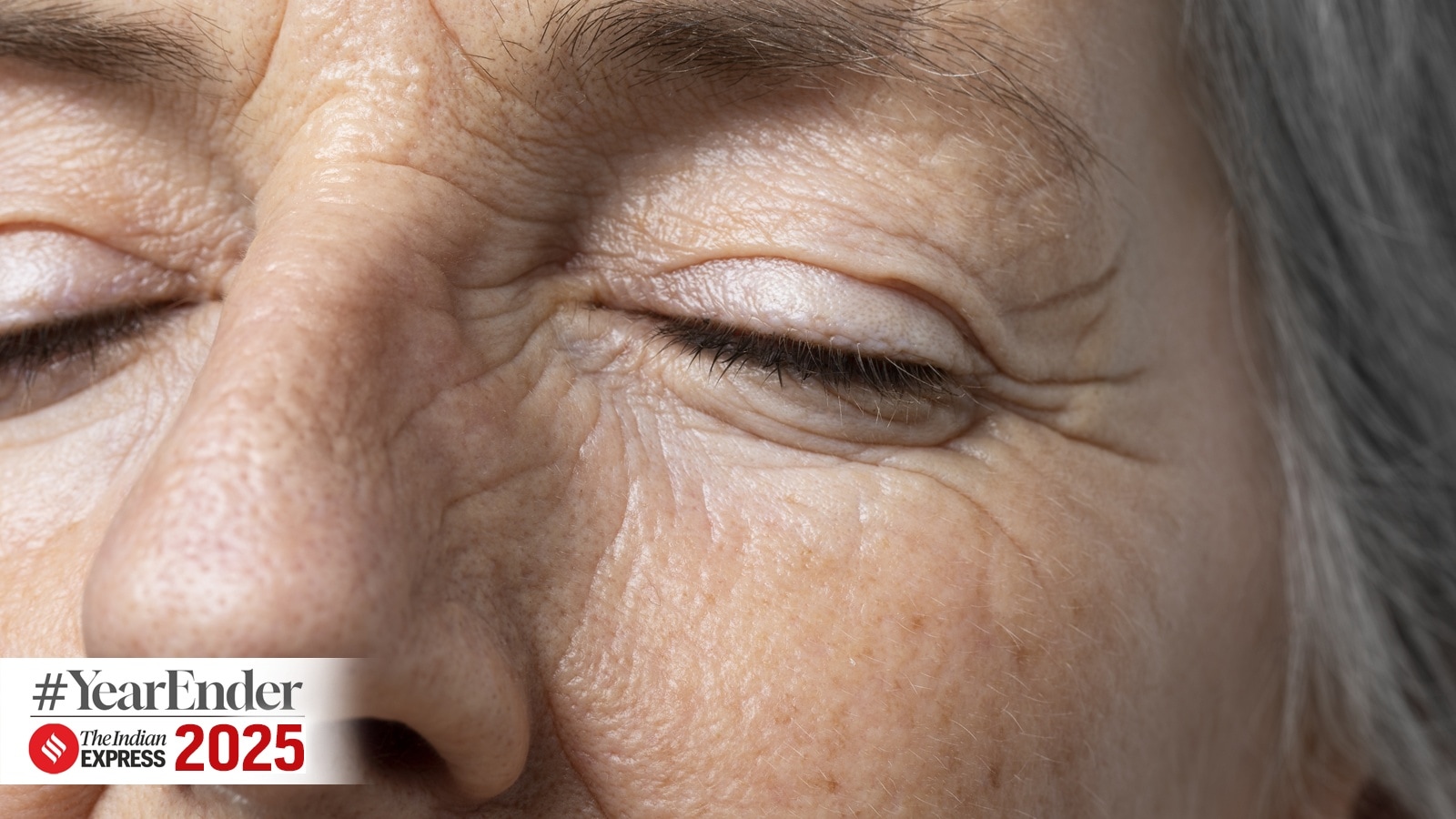
Ageing has been treated in public conversation as something to delay, deny or disguise. Wrinkles, grey hair, sagging skin and slow joints have often been discussed as aesthetic problems to be fixed. But in 2025, the narrative shifted toward a more honest, holistic and practical conversation about ageing: one that acknowledges both the realities of growing older and the power of lifestyle choices to shape how we age.
Ageing stopped being about fear and fantasy and started becoming about health span, function, dignity and resilience.

Here’s how that conversation matured and why 2025 may be remembered as a turning point.
Story continues below this ad
Understanding ageing beyond wrinkles
One of the most critical shifts this year has been how ageing is understood not just as an inevitable biological decline, but as something profoundly influenced by behavioural choices throughout life.
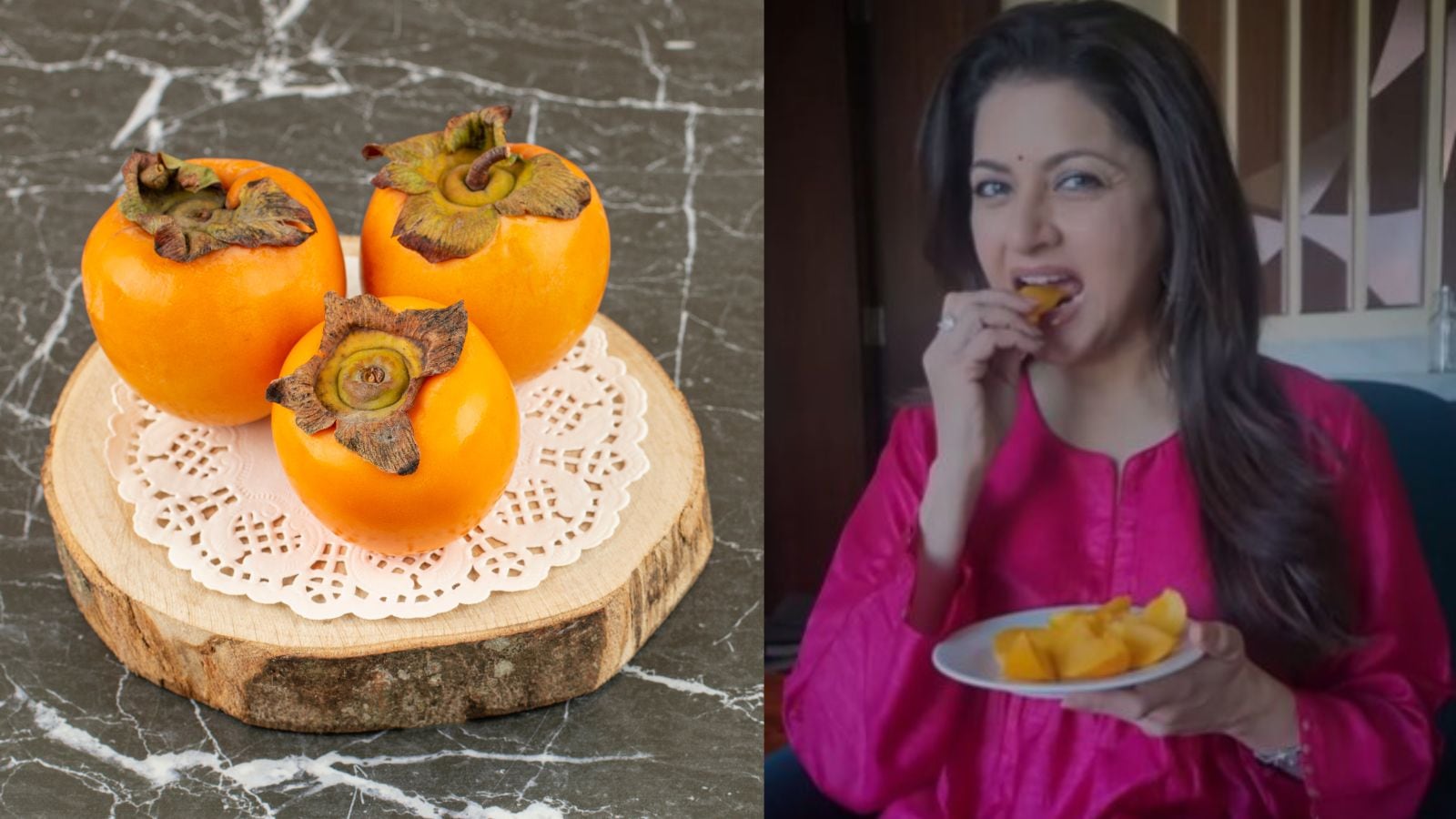
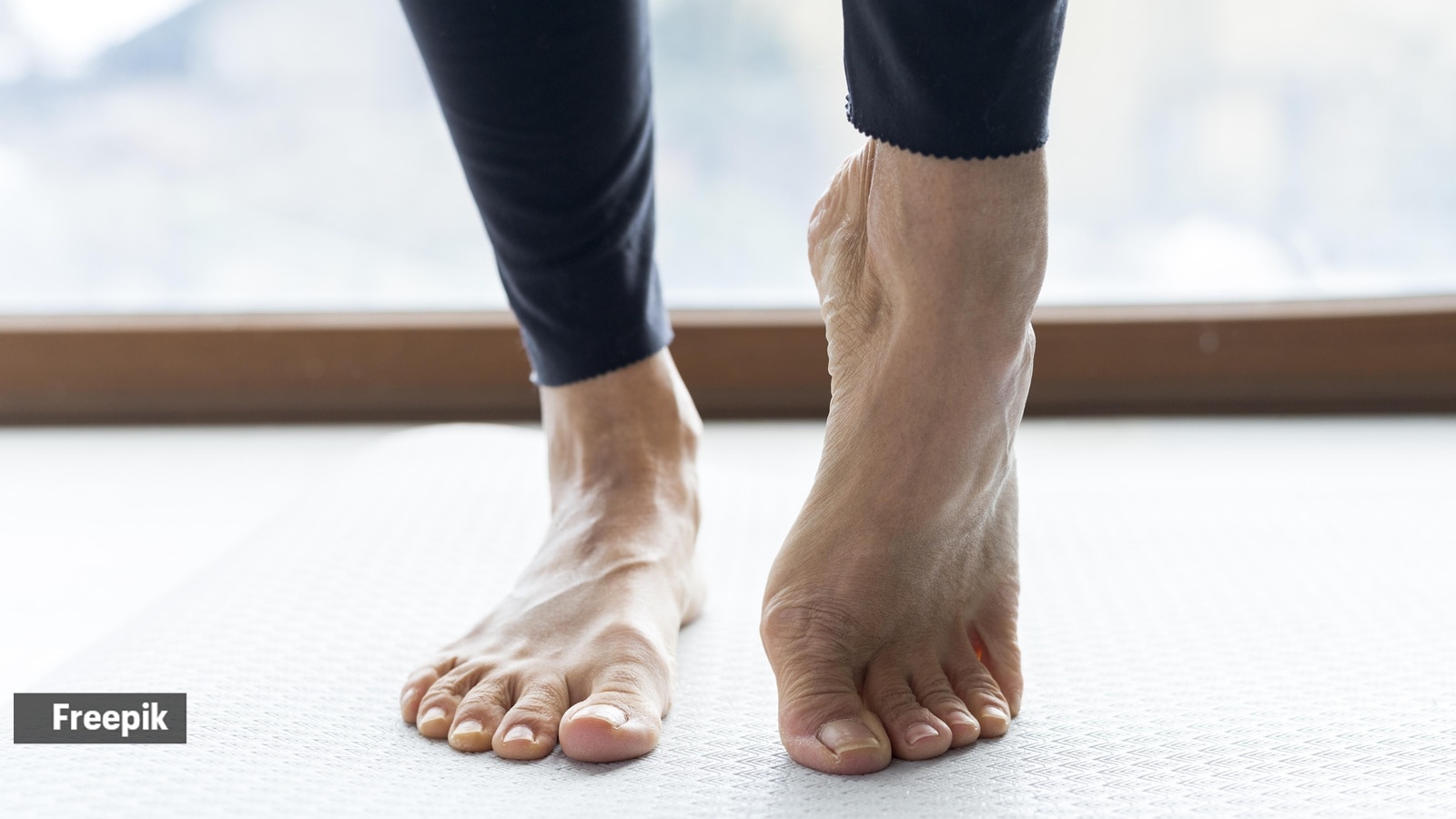
From actor Bhagyashree’s recommended step-up exercise to Namita Thapar’s mindful approach to diet and health during her perimenopause journey, factors such as nutrition, physical activity, mental health, social connection and stress management play a significant role in how health evolves with age, and often more than genetics alone.
Story continues below this ad
This perspective moves the discourse beyond cosmetic concerns to functional ageing, how well a person moves, thinks, feels and lives as they grow older, and it resonated widely with those looking for practical, empowering approaches to ageing well.
What accelerates ageing, and what slows it down
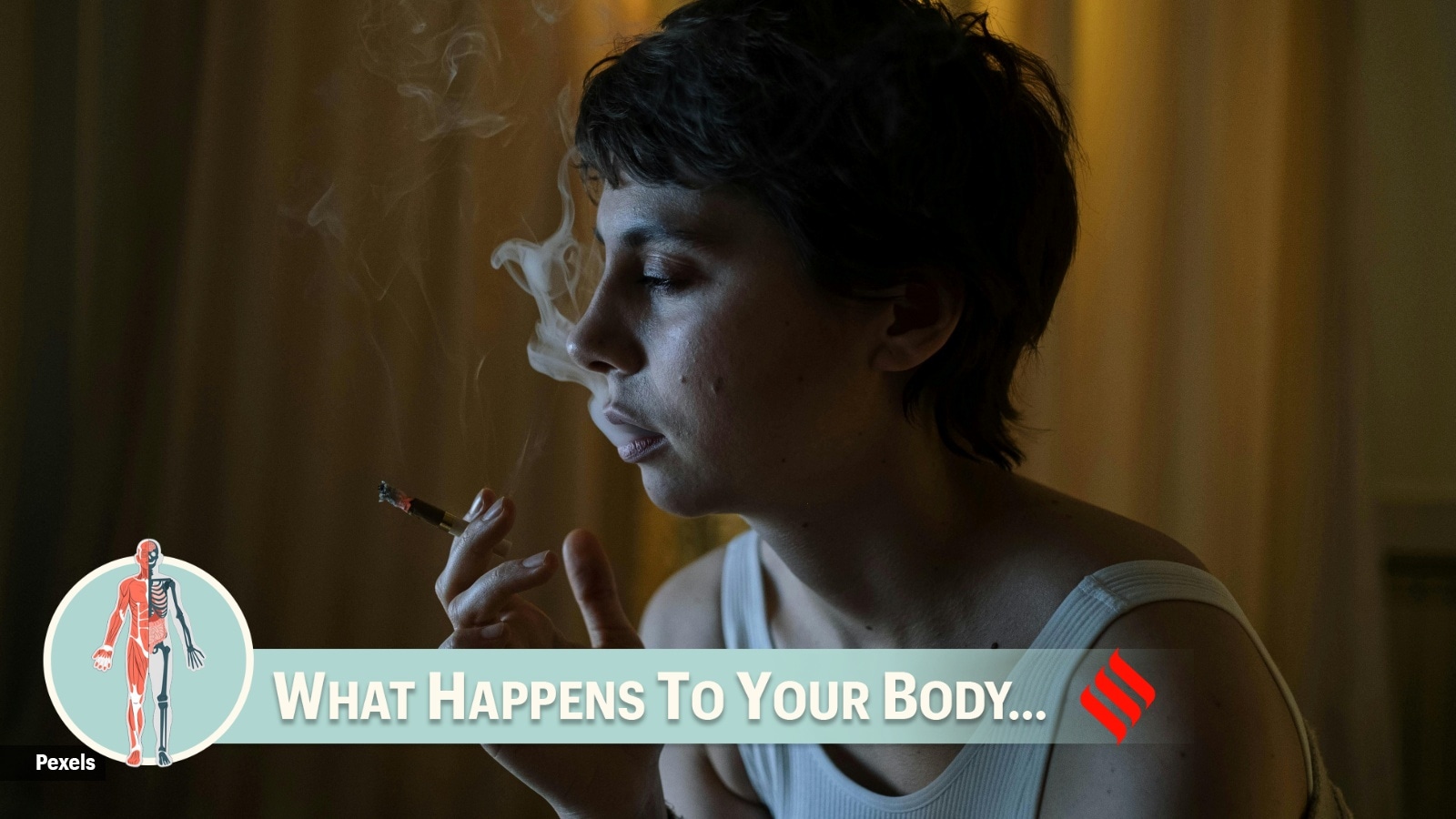
In 2025, we increasingly grappled with the factors that genuinely accelerate biological ageing, from processed foods and chronic stress to a sedentary lifestyle and poor sleep.
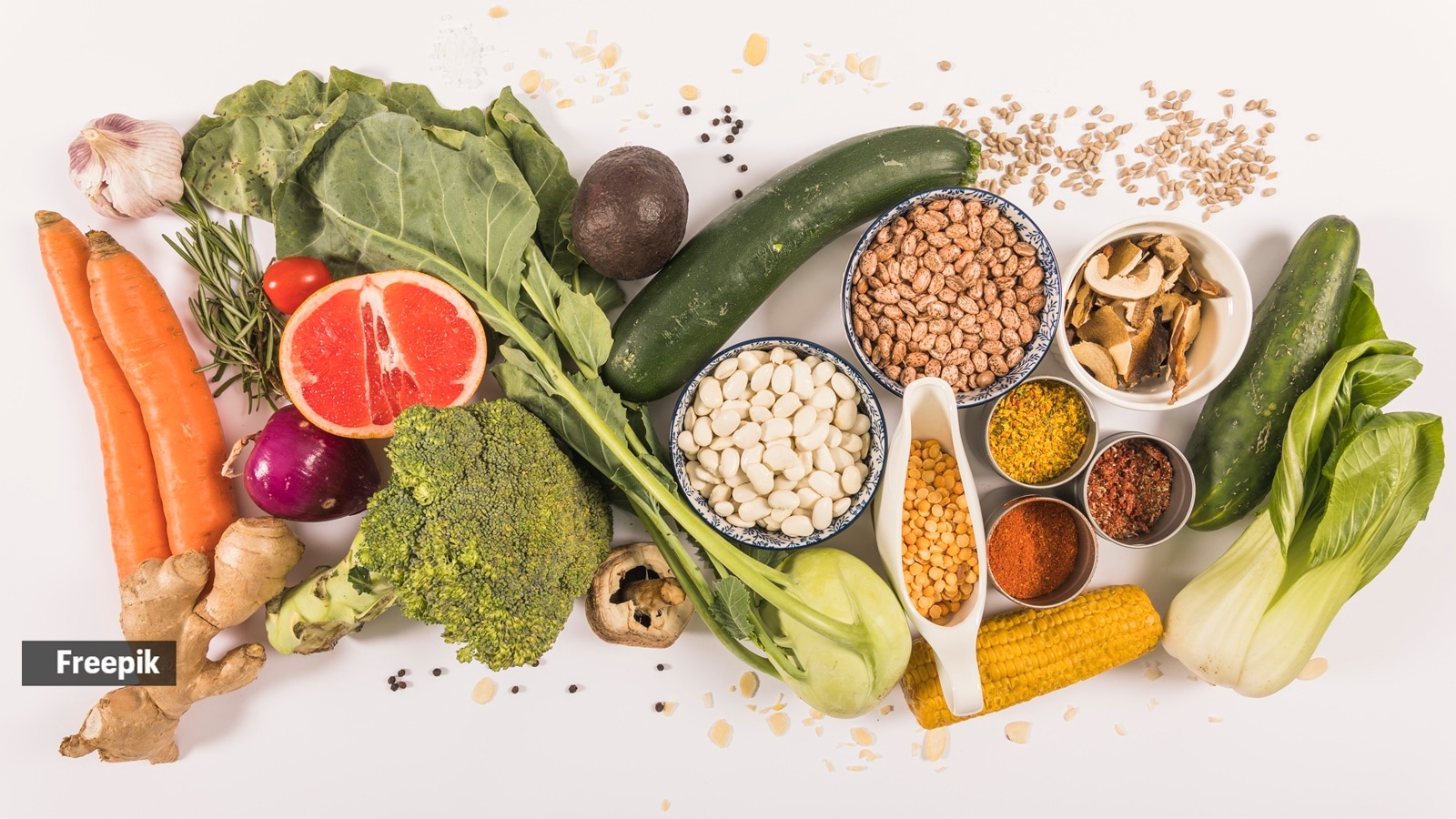
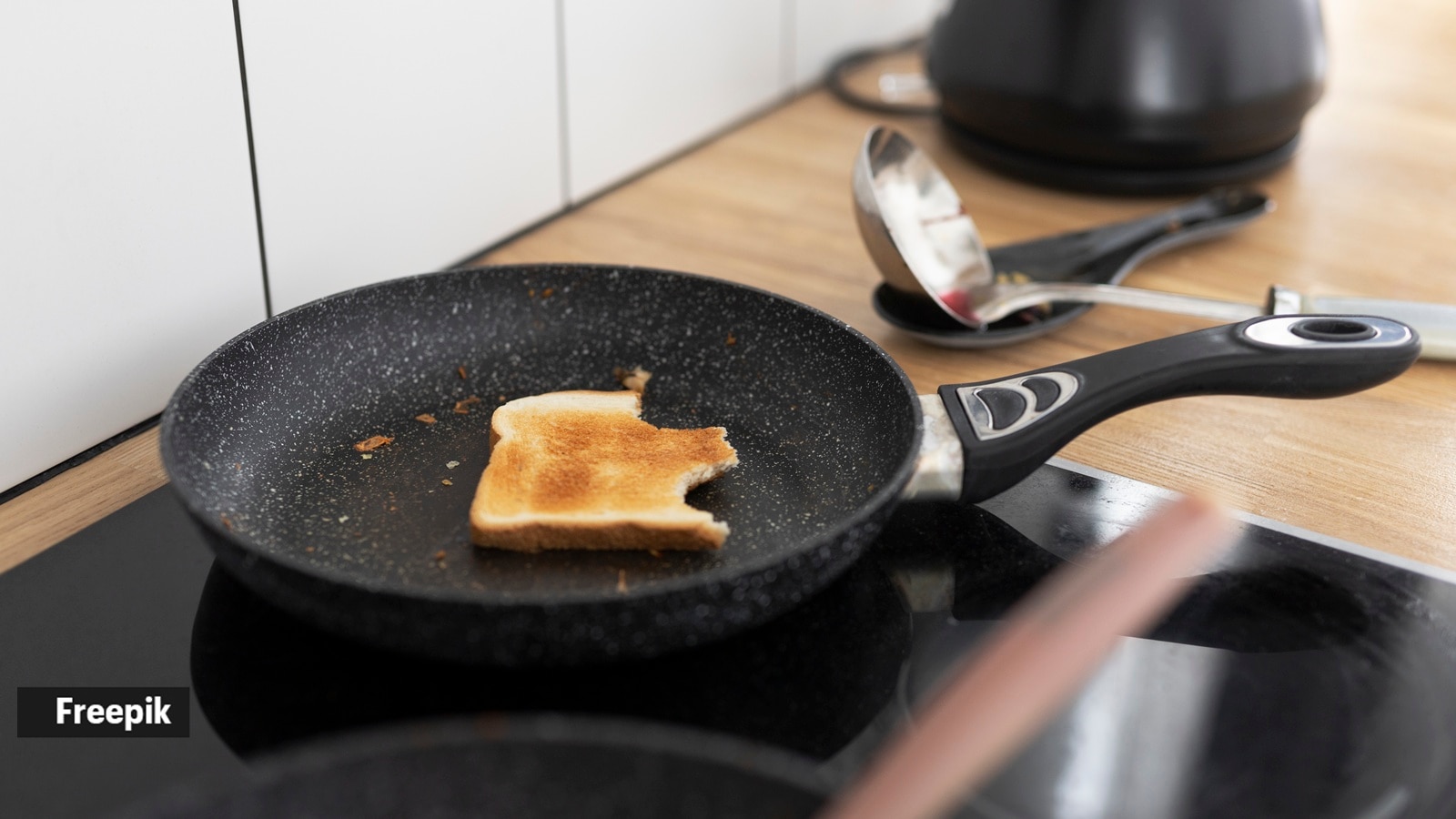
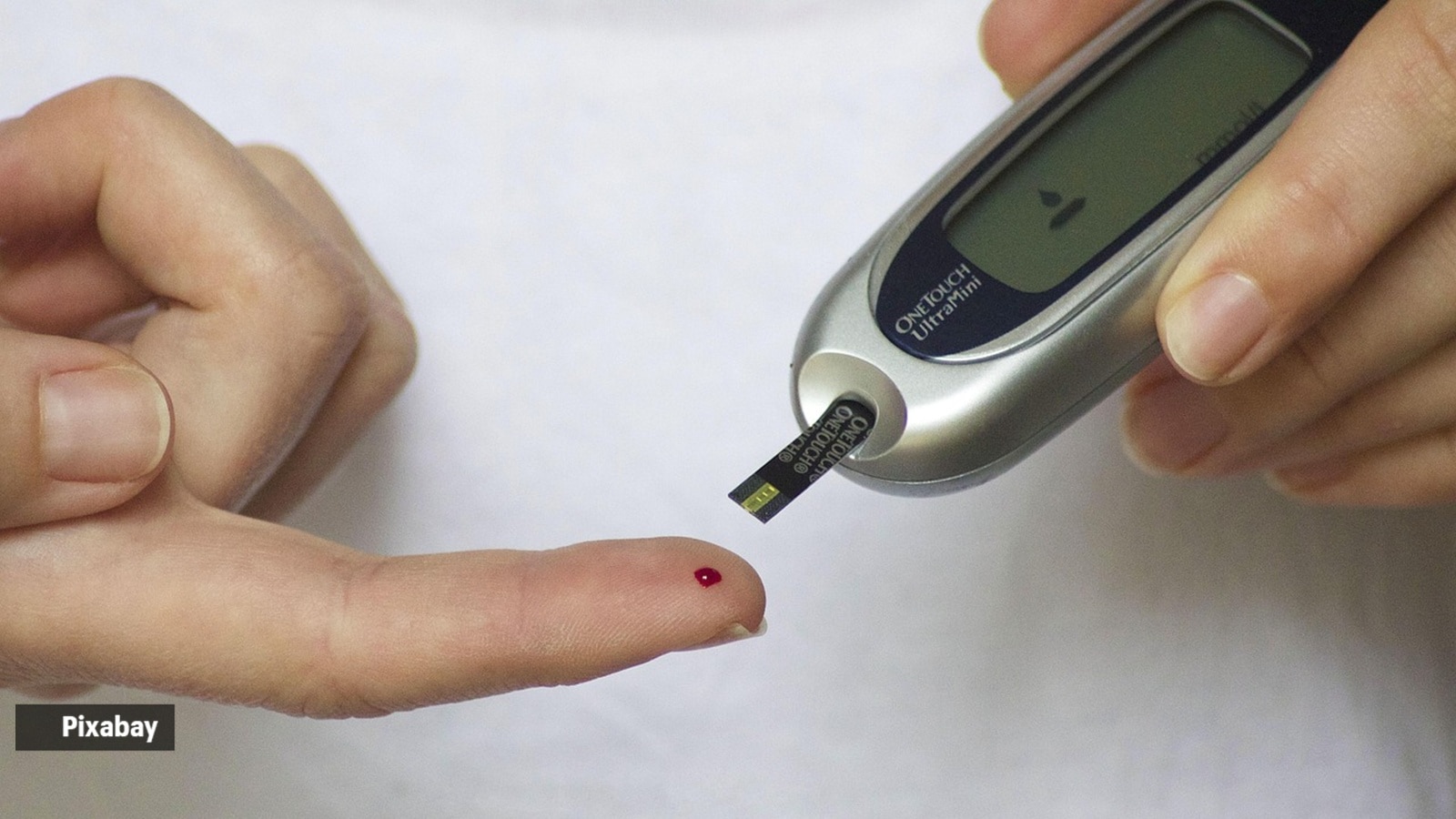
Practical, evidence-based breakdowns of everyday habits, such as foods that can speed up ageing, helped ground the discussion in real choices that matter. Dr Somnath Gupta, consultant physician & diabetologist, Yashoda Hospitals, Hyderabad, mentioned that caffeine and alcohol consumption, excessive sugar, processed carbs and sun exposure after consuming citrus fruits can speed up ageing.
Story continues below this ad
This kind of straight-talk content helped shift attention from superficial anti-ageing fixes to meaningful health decisions that actually affect metabolism, immunity, inflammation and cellular health.
Honest, inspiring and accessible role models of ageing
Another key development was the rise of ageing role models whose stories were neither polished nor overly inspirational in a hollow way, but realistic and relatable.
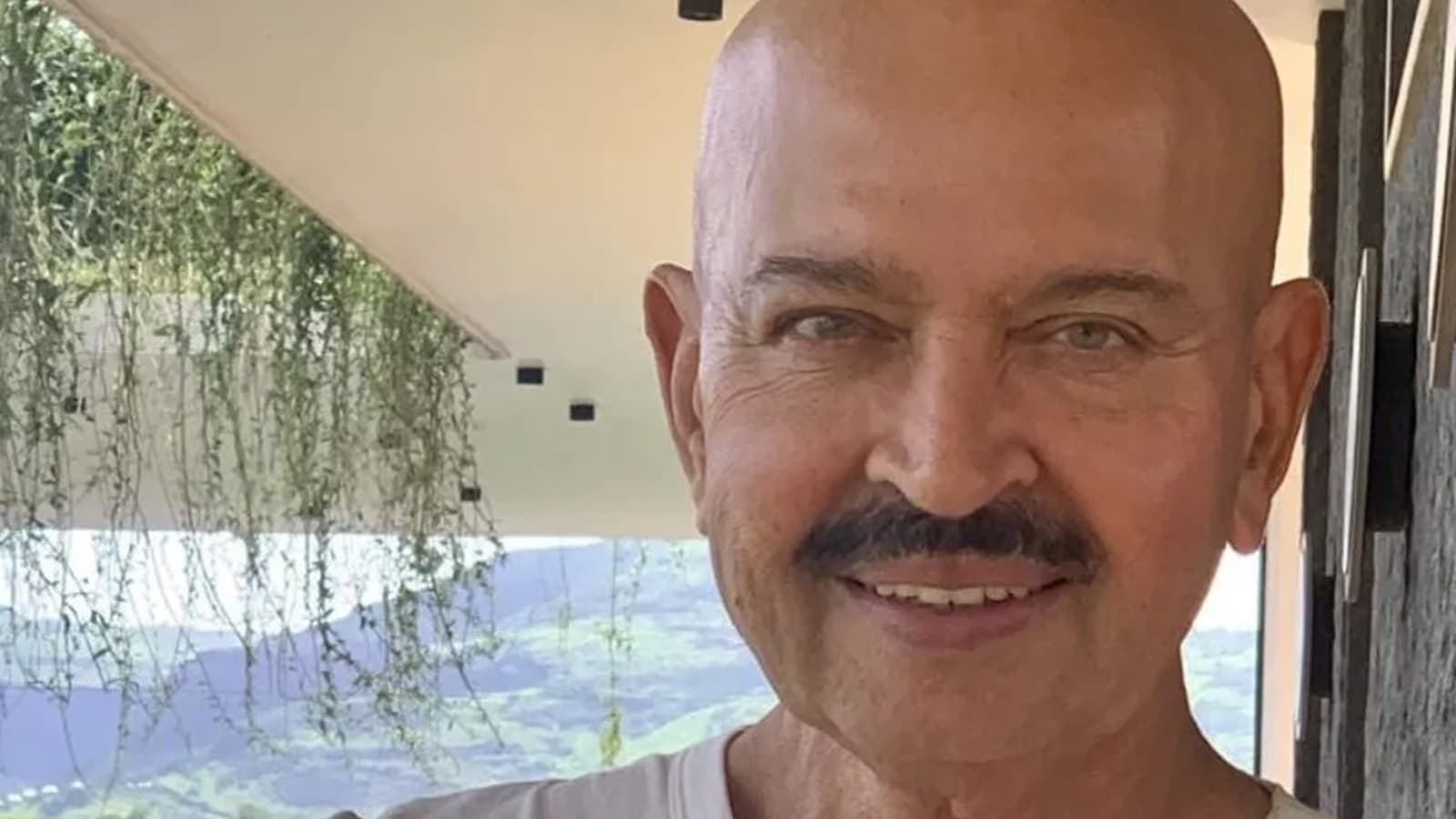
For example, we profiled a 97-year-old professor whose disciplined daily routine, purposeful lifestyle and emphasis on stress management helped him preserve strength and health far beyond what many expect of someone his age. “I may have inherited my parents’ genes (My father lived till the age of 96 and my mother till 91), but there are several factors that can hasten premature ageing. Among them, stress is one of the greatest contributors, and hence it is necessary to develop a sense of purpose in life,” he said.
Story continues below this ad
Such stories shifted the frame from ‘anti-ageing’ to ‘healthy ageing,’ showing that longevity and vitality are achievable through consistent habits rather than quick fixes.
The myth of anti-ageing medicines
Another significant discussion this year came in the wake of Shefali Jariwala’s death, when her husband Parag Tyagi publicly dismissed rumours that she had been taking anti-ageing medicines. Instead, he highlighted that her youthful appearance was the result of consistent discipline with diet and lifestyle, not quick fixes or medications.
He said, “Shefali didn’t want to take multivitamins daily as she would forget them, so she took them through an IV drip once a month. These included multivitamins, Vitamin C, collagen, and glutathione, which is one of the best antioxidants (sic),” he explained in Hindi, in a recent interaction posted on their YouTube channel.”
Dr Jagadish Hiremath, a public health intellectual, stressed, “It is important that such treatments are undertaken only under the supervision of a qualified healthcare professional.”
Story continues below this ad
The expert highlighted that real lifestyle consistency matters far more than panaceas.
The lesson?
These shifts reflect a broader cultural moment: ageing is no longer a taboo or a cosmetic problem to be hidden, but a shared human experience with meaningful, evidence-based ways to approach it intelligently.
As we move into 2026, the hope is that these frank conversations lead to deeper awareness, better policies and healthier, more fulfilling lives for people at every stage of adulthood.