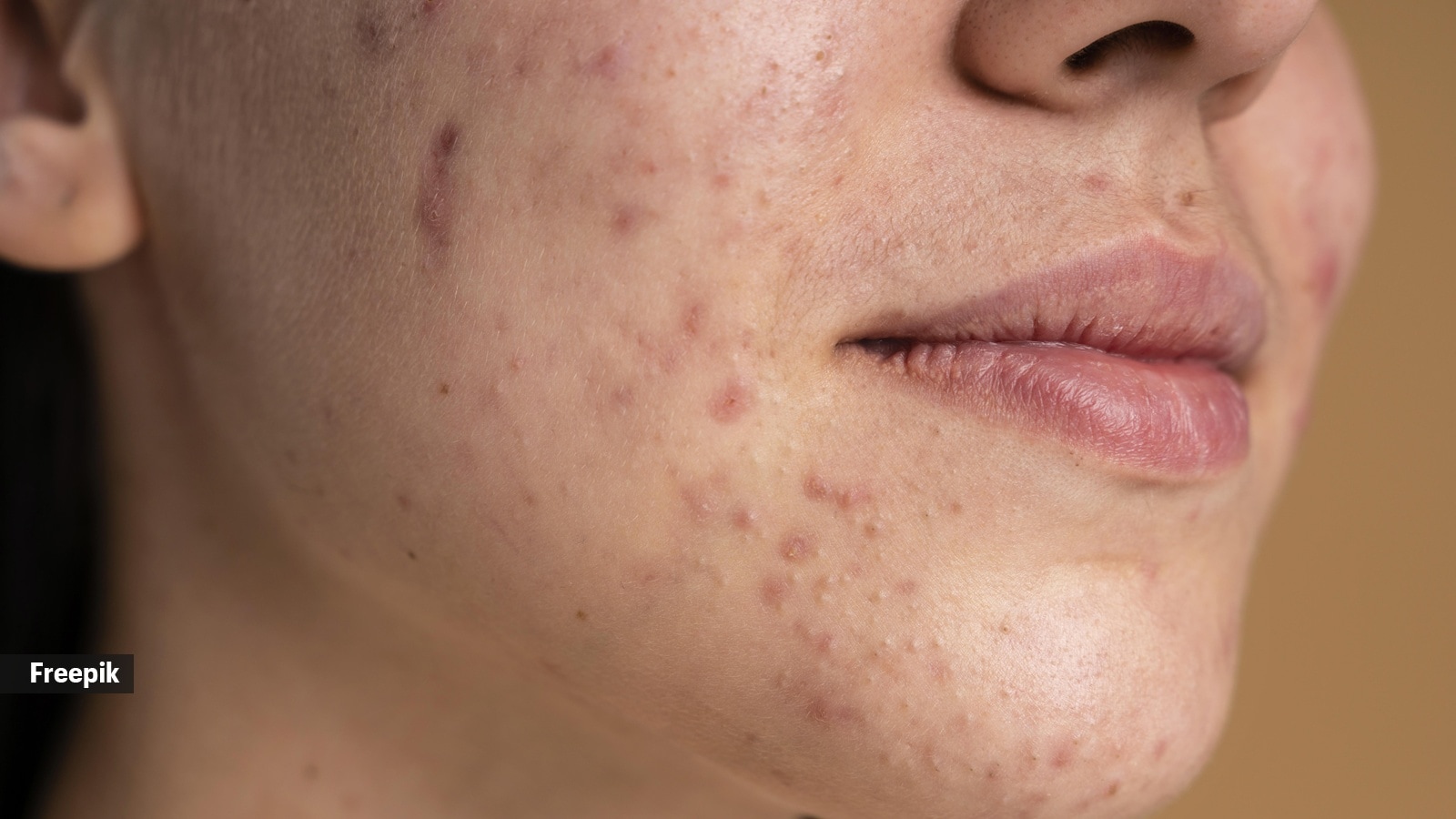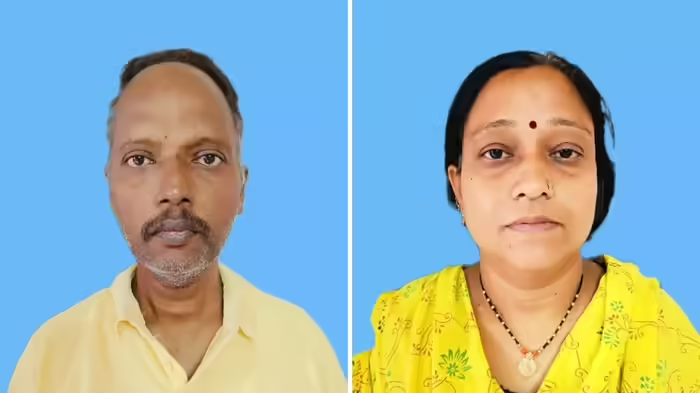


A 30-year-old female walked into an OPD with a complaint that “sounded almost too small”: ‘Doctor… this pimple on my face isn’t going away.’ While 99 per cent of the time, a pimple is just a pimple, Dr Satyam Badapanda, a chiropractor, said this one “looked different”. “It was red, painful, swollen, and she said it kept coming back in the same spot. She also mentioned feeling tired, joint pain, and slight hair fall. That made us pause.”
He continued in a post on Instagram, “Ran a few basic tests — CBC, ESR, CRP, ANA. Her results came back… and they hit us hard. ANA strongly positive. ESR very high. This was not acne. What she thought was ‘just a stubborn pimple’ was actually the first warning sign of an autoimmune disease — Systemic Lupus Erythematosus (SLE).”

The pimple-like lesion on her face was a cutaneous manifestation, and her body was fighting itself silently, he said. “We explained everything to her slowly — that early diagnosis can change the entire future of this disease. That she came at the right time. And that the first symptom looked simple, but the story behind it was not. Sometimes a ‘pimple’ is not a skin problem.Sometimes… It’s your immune system asking for help.”
Dr Amit Saraf, director of internal medicine at Jupiter Hospital in Thane, said sometimes the body sends its earliest signals quietly, through symptoms that feel too small to matter. “A common skin bump, a little swelling, or a patch that doesn’t heal can seem harmless. “Yet, these small signs often reveal a much deeper story.”
How can something as simple as a recurring ‘pimple’ point toward an autoimmune issue?
When a skin bump comes back repeatedly in the same spot, stays painful, or looks more inflamed than usual, it can be the skin’s way of signalling internal stress, said Dr Saraf. “Autoimmune conditions often show their first signs on the face because the immune system becomes overactive and starts attacking healthy tissue. What seems like acne may actually be a small patch of inflammation linked to a deeper imbalance. The skin reflects what is happening inside.”
 Here’s what you must know (Photo: Getty Images/Thinkstock)
What early red flags should people pay attention to?
Persistent fatigue, joint aches, unexplained hair thinning, and repeated skin lesions in the same area are subtle but essential signs, said Dr Saraf. “These symptoms often appear together when the immune system is not functioning normally. Many people ignore them because they seem unrelated or too mild to worry about. But when they co-occur, they deserve a closer look. Even a single pimple that looks unusual or behaves differently from regular acne should be noticed,” he stressed.
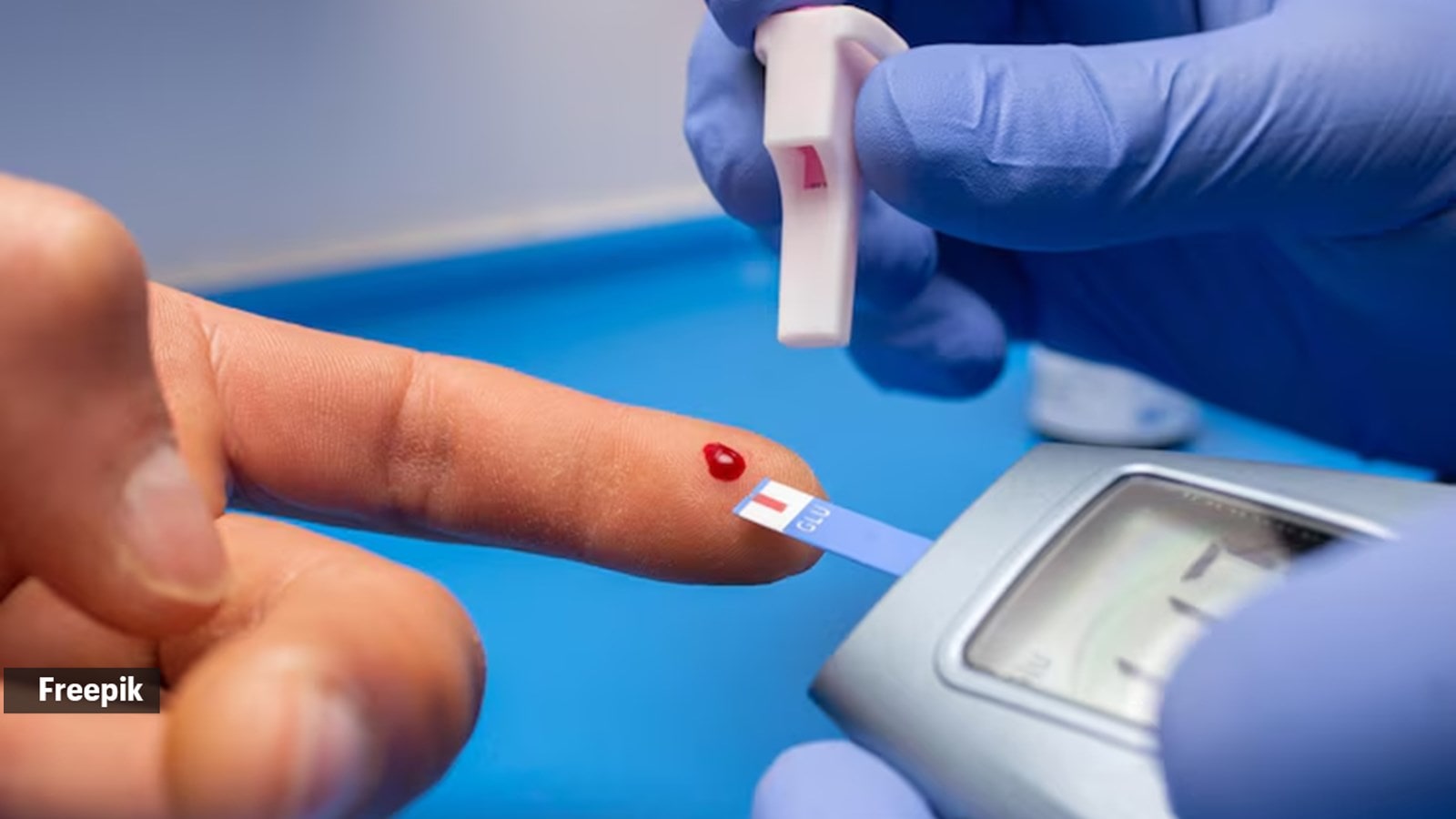
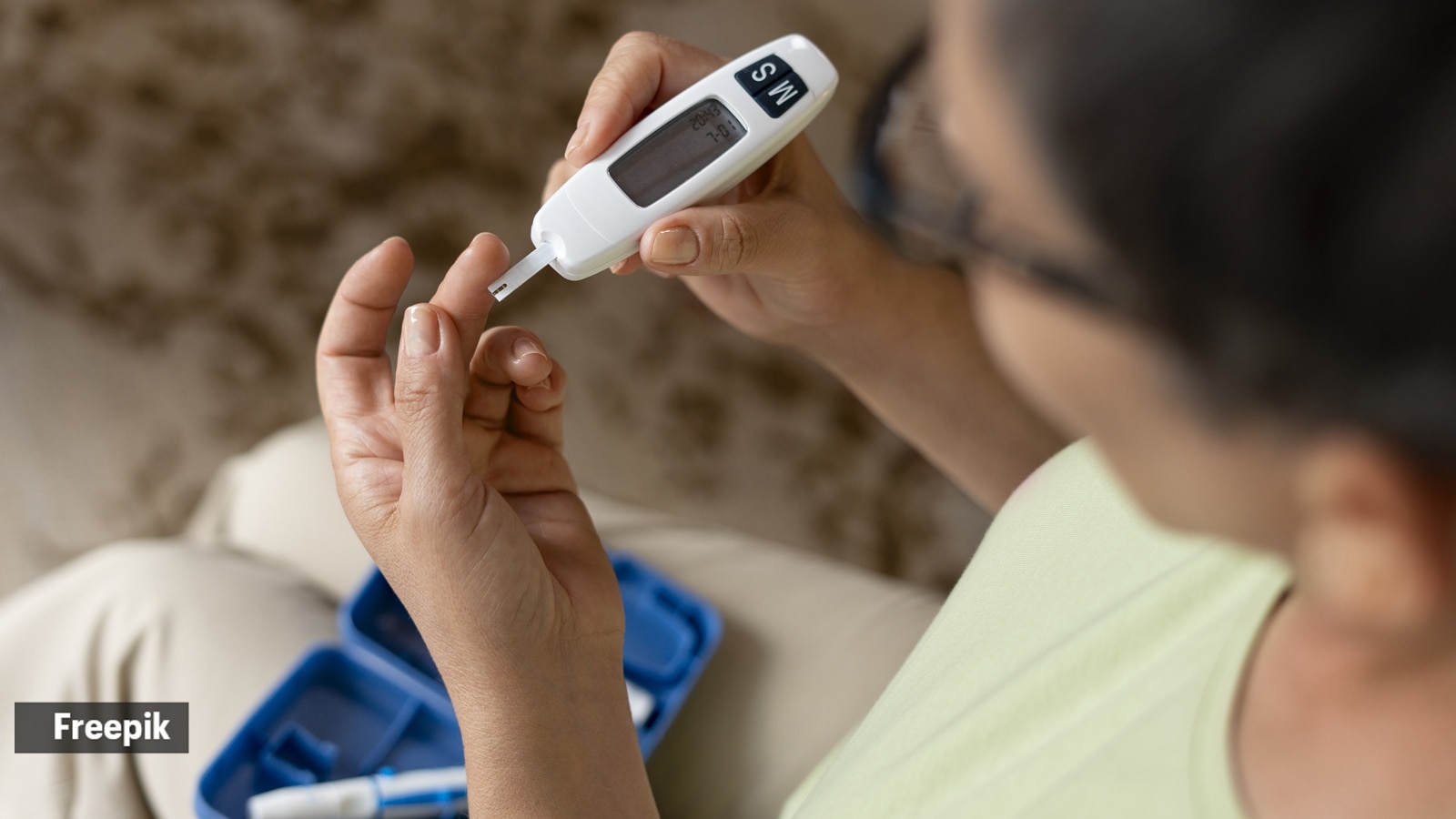
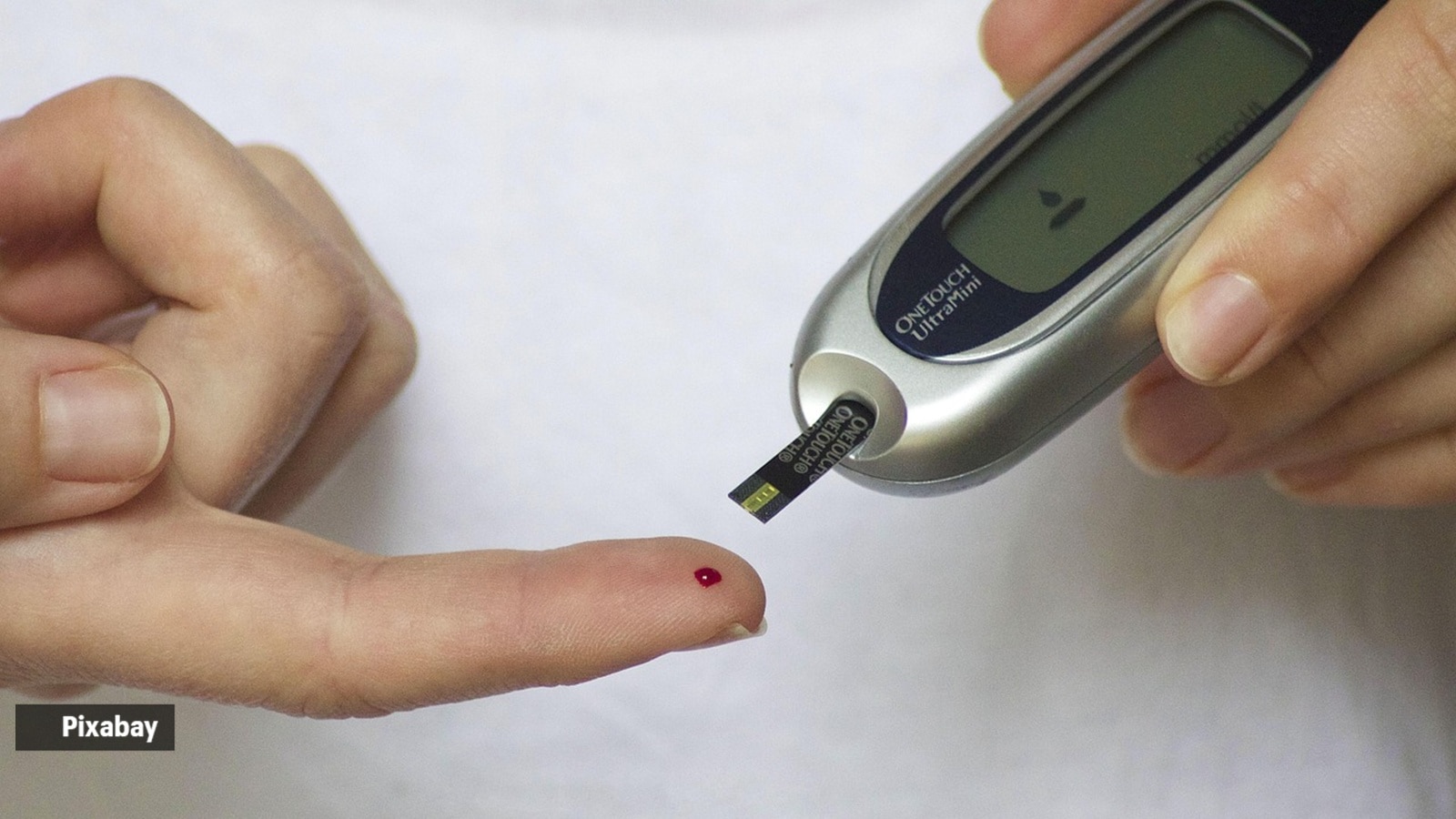
Basic blood tests are sometimes enough to show if the body is experiencing inflammation or immune dysfunction. “A high ESR or CRP indicates ongoing inflammation. A positive ANA test can suggest an autoimmune condition. These tests provide clarity when symptoms are vague. Early testing is powerful because it allows changes to be made before the condition starts affecting multiple organs or causing long-term damage,” said Dr Saraf.
Story continues below this ad
What should someone keep in mind when a minor symptom feels persistent or unusual?
The body rarely gives dramatic warnings at first. It nudges gently. “A recurring skin issue, constant tiredness, or minor joint problems may seem harmless, but they should not be ignored if they keep coming back. Acting early doesn’t create fear; it establishes control. Many autoimmune conditions, when caught early, can be managed effectively, allowing quality of life to remain intact.
Minor symptoms aren’t always small stories. Sometimes they’re the first knock on the door, urging you to pay attention before the body has to speak louder.
What does recovery look like in this specific case?
In this patient’s case, recovery is less about “curing” SLE and more about bringing the immune system back under control. This means once the diagnosis is precise, the patient is put on targeted treatment to reduce inflammation and calm the overactive immune response. Recovery here means stabilising symptoms, preventing flare-ups, and helping her return to normal daily activities without discomfort. With regular follow-ups, medications, and lifestyle adjustments, she can expect a good quality of life and a stable, manageable course of the disease.
DISCLAIMER: This article is based on information from the public domain and/or the experts we spoke to. Always consult your health practitioner before starting any routine.