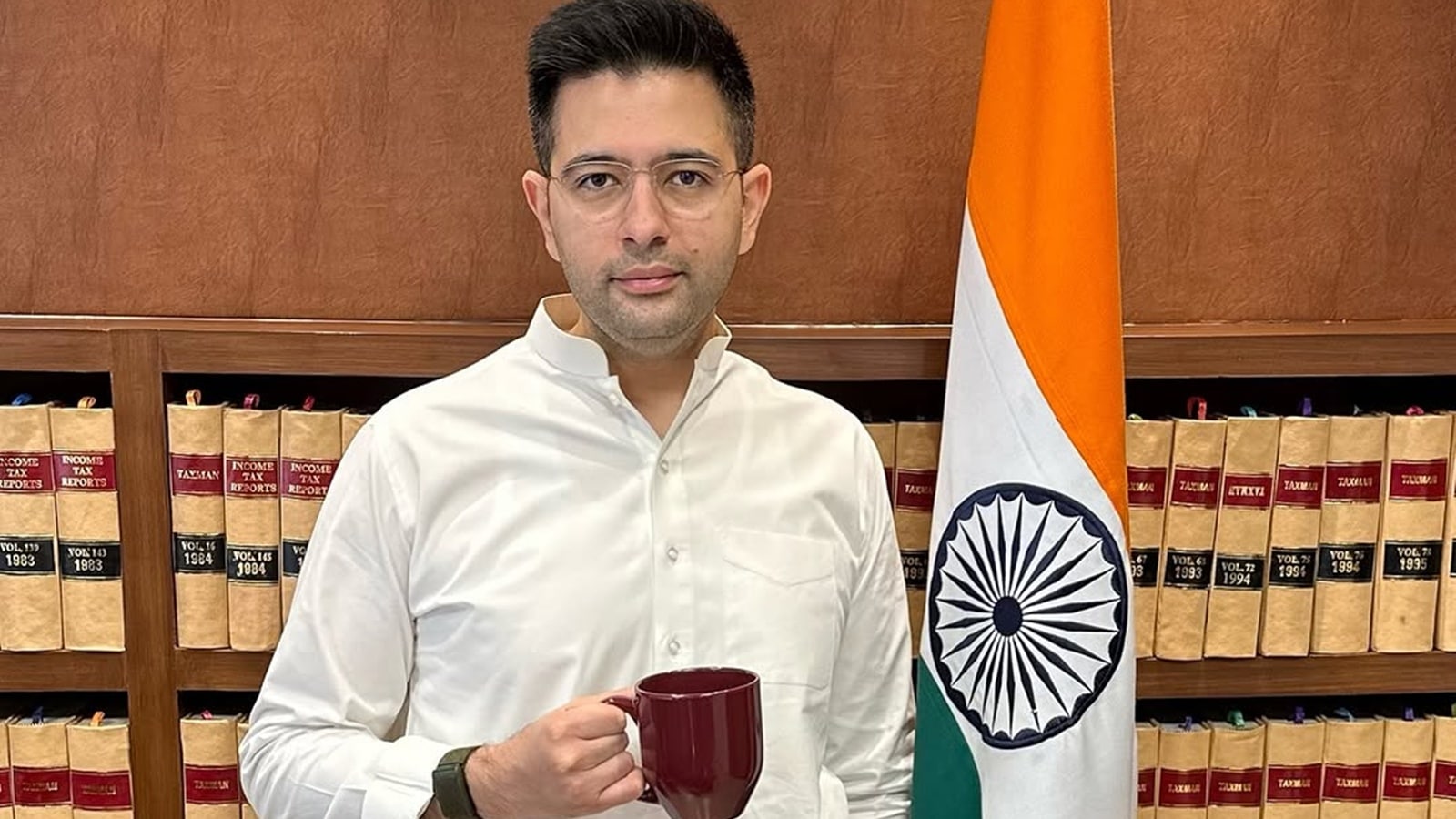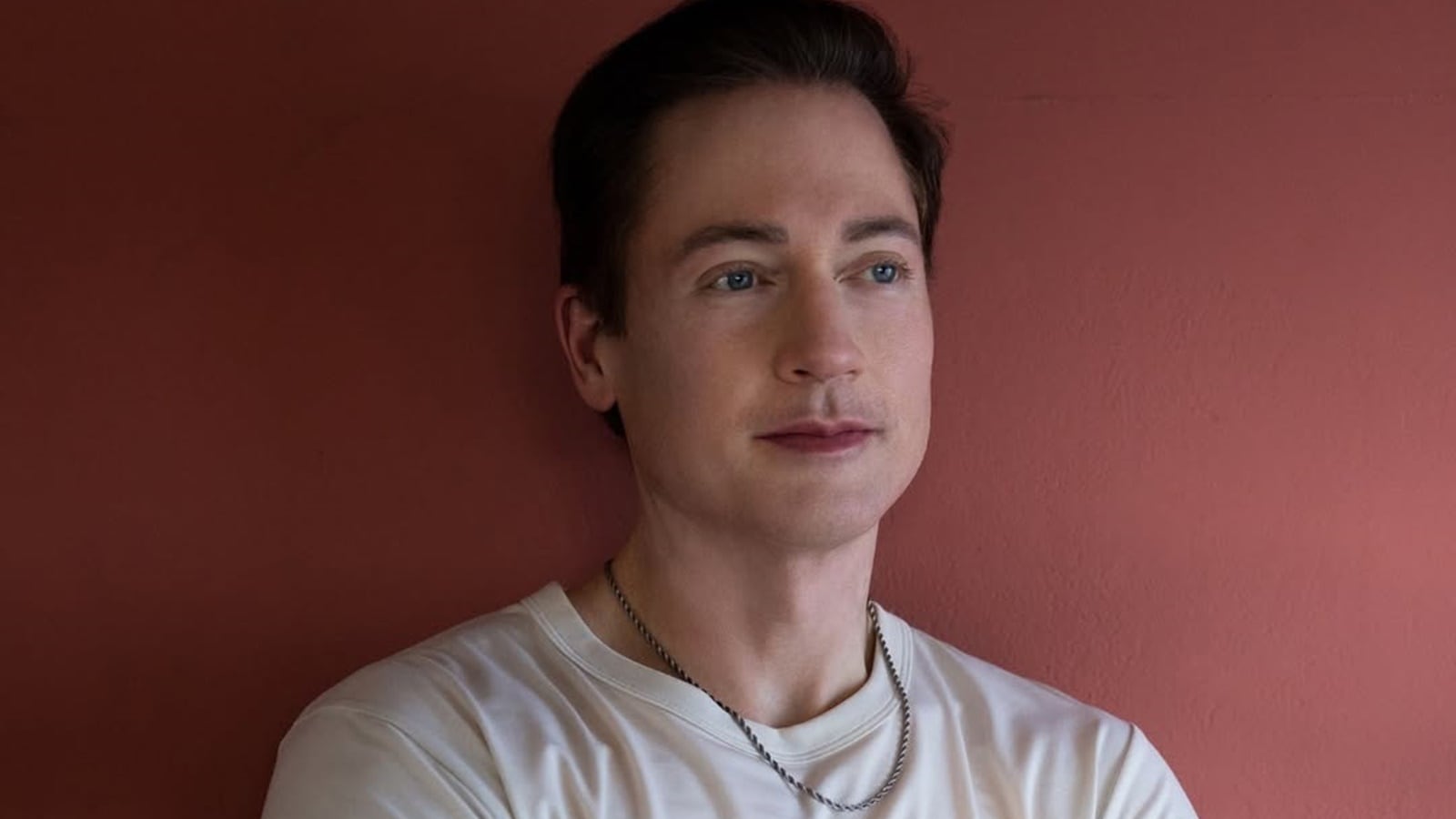


Lifestyle coach Luke Coutinho recently commented on content creator Emily Marie’s post, where she spoke about losing her mother to breast cancer relapse after she was advised to get back into treatment, “eat whatever you want”, without working on the “root cause”. Coutinho said, “Eat what you want is the deadliest advice for cancer and that matters for any disease … sorry for your loss”.
Adding that the family “followed all cancer protocols and still lost her. Here’s what I wish we had known,” Emily continued: “My mom was first diagnosed with breast cancer (stage 2) in 2019, and it returned (stage 4) in 2023. Looking back, we would have done three things differently that could have saved her life.”

She documented how she would have handled it differently now.
Breathe.
“When my mom got the results from her biopsy back, that it was cancer, they pushed her into treatment. Immediately. But in her case, and so many others, this cancer had been growing for years. There was NO reason to rush a decision. We should have researched. We should have taken a step back. Instead, conventional treatment and surgery, immediately.”
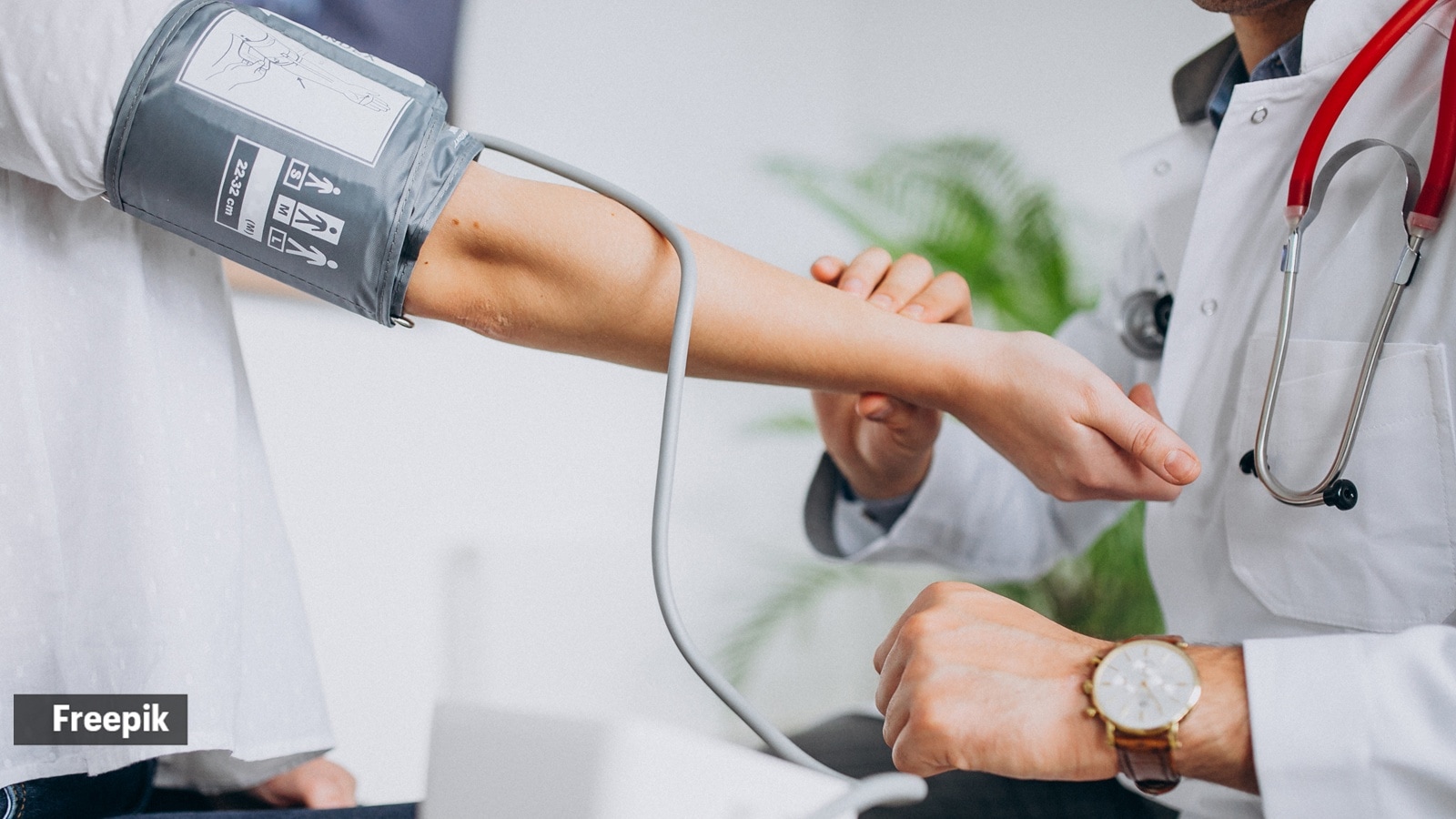
Consult an integrative oncologist.
My mom saw a traditional oncologist, one who cared about her but thought root cause was a joke and who told her to eat whatever she wanted. “She ended up seeing an integrative oncologist in 2023 when her cancer came back as stage 4. But it was too late. We should have consulted an integrative oncologist at the beginning of treatment to get to THE ROOT CAUSE of why she got cancer in the first place.”
Optimised the immune system
The creator said that the immune system plays a crucial role in detecting and destroying cancer cells. “We would have immediately focused on optimising her immune system, no matter what treatment plan we decided. The integrative oncologist told us this was the most important thing to help lower the risk and overcome cancer.”
She noted that she wants people to have the information that “we didn’t so that they can have different outcomes“.
Story continues below this ad
So, taking a cue from the case and Luke’s advice, we turned to Dr Meghal Sanghavi, oncosurgeon, Wockhardt Hospitals, Mumbai Central, to understand more.
Is it possible to “miss” something during cancer treatment?
It’s normal to look back and think something could have been done differently. “However, breast cancer rarely hinges on a single decision. It can grow silently for years, and even with good care, some tumours can act aggressively. What really impacts the outcomes is early diagnosis, the right treatment order, and steady follow-up, not feelings of guilt or blame,” said Dr Sanghavi.
Should patients take time to “breathe” and research before starting treatment?
Taking a day or two to process the diagnosis, understand the options, and even get a second opinion is perfectly acceptable. “Delaying treatment for weeks, though, can be risky. Stage 2 breast cancer is still very treatable, and timely surgery or therapy can improve survival. The aim is clarity, not panic, but also not delaying necessary treatment,” said Dr Sanghavi.
 Here’s what you should consider (Photo: Getty Images/Thinkstock)
Is ‘eat whatever you want’ good advice?
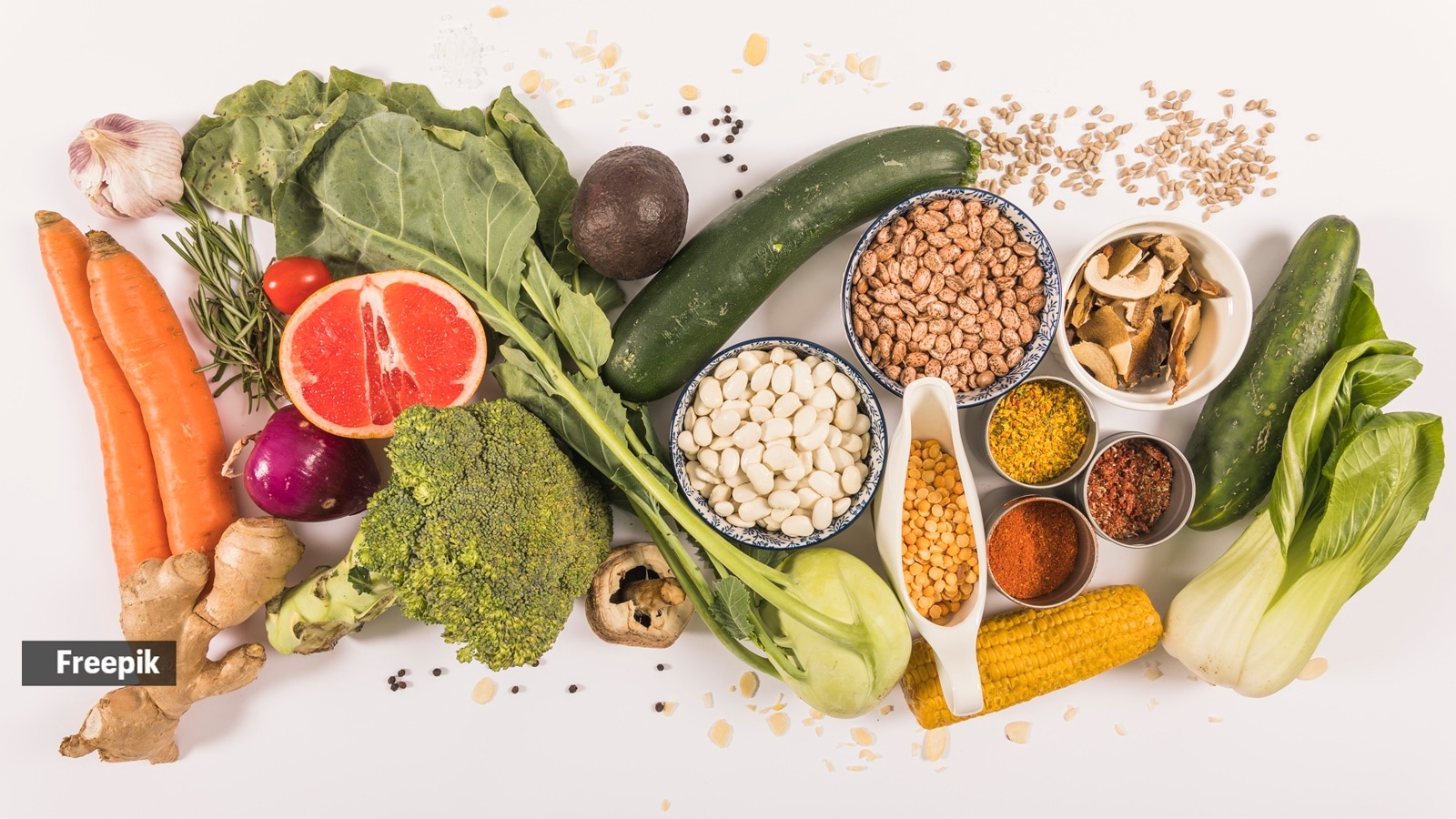
Telling a cancer patient “eat whatever you want” is outdated and often harmful, emphasised Dr Sanghavi. “Nutrition plays a crucial role; it directly affects immunity, healing, muscle strength, fatigue, and how well someone tolerates chemotherapy.”
Patients should keep in mind:
Story continues below this ad
*Food cannot cure cancer, but it significantly supports the body during treatment.
*Highly processed, sugary foods can worsen inflammation and fatigue.
*Nutritional needs vary; some need more protein, others softer foods, and some specific anti-nausea plans.
A qualified oncology dietitian can help tailor nutrition safely, said Dr Sanghavi.
Integrative care can be helpful when combined with medical treatment. “Nutrition counselling, exercise, sleep improvement, and stress reduction can enhance quality of life. However, the foundation should still be evidence-based oncology-surgery, chemotherapy, targeted drugs, and radiation when necessary. Supportive care should complement treatment, not replace it,” said Dr Sanghavi.
Can lifestyle or immune-boosting routines prevent cancer or stop recurrence?
Dr Sanghavi clarified that no single food, herb, or routine can prevent cancer. “What can lower risk is staying physically active, keeping a healthy weight, limiting alcohol, avoiding tobacco, eating more plant-based foods, and getting enough sleep. These habits can strengthen the immune system, but they cannot replace treatment.”
What should families keep in mind when navigating breast cancer?
Ask questions, seek clarity, and don’t hesitate to get a second opinion, said Dr Sanghavi. “The best outcomes come from timely treatment combined with supportive lifestyle choices, not one or the other,” added Dr Sanghavi.
Story continues below this ad
DISCLAIMER: This article is based on information from the public domain and/or the experts we spoke to. Always consult your health practitioner before starting any routine.