

From weight management to supporting bowel movement and digestion, fibre does it all. But did you know that constipation is not the very first sign of a lack of fibre within the body? According to Dr Leena Saju, Group Manager, Clinical Nutrition, KIMSHEALTH, the first sign of fibre deficiency indeed isn’t constipation—it’s feeling hungry soon after eating.
“Low fibre causes rapid digestion, glucose spikes, and early hunger by disrupting satiety hormones like leptin and ghrelin. Fibre adds bulk, stabilises blood sugar, and supports gut bacteria that regulate fullness,” she explained, adding that constipation appears later.

Dr Adithya V Naragund, senior consultant in GI and HPB Surgery at Cytecare Hospitals, Bengaluru, agreed, adding that a fibre-poor diet can result in sluggish digestion, frequent sugar cravings, and a lack of satiety. These symptoms often get overlooked or misattributed, but they’re strong signals from the gut that it’s missing this essential nutrient.
Why s0?
Pratiksha Kadam, Chief Dietitian, Kokilaben Dhirubhai Ambani Hospital, Navi Mumbai for The Indian Express further explained why feeling hungry soon after eating is often overlooked as an early sign of fibre deficiency.
According to her, dietary fibre is key to keeping you feeling full and helps in keeping your food properly digested, by helping slow down the absorption of sugars and fats in the body, so food stays in your stomach longer — which gives you a feeling of fullness for a longer period of time. “Without an adequate amount of fibre in the diet, which is typically less than 25-30 grams a day, food will get digested too quickly, causing a rapid fall on blood sugar levels which in turn returns the feeling of hunger soon after eating,” she elaborated.
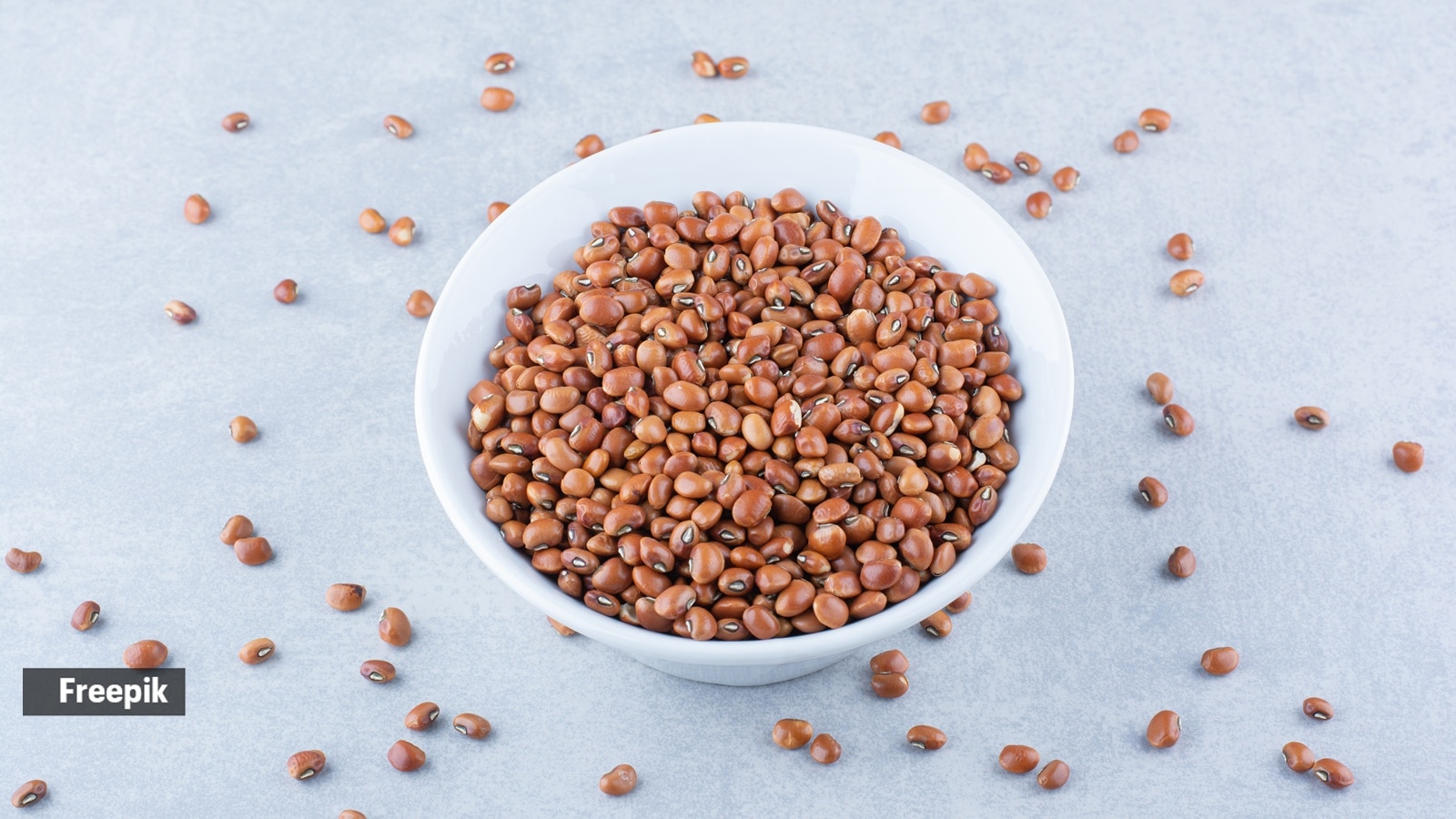
 Fibre is essential for gut health (Source: Freepik)
Fibre helps gut health by nourishing the good bacteria in your gut that helps to regulate hormones that control hunger and metabolism, said Kadam, adding that this deficiency will disrupt the gut-brain axis, which controls how much food is consumed and when. This can result in unnecessary weight gain as well as other metabolic issues like insulin resistance.
On the other hand, fibre-enriched foods such as whole grains, fruits, vegetables and legumes will improve the gut, increase the bulk of the diet and keep the bowel movements in a regular pattern, as well as provide sustained energy between meals.
Story continues below this ad
Kadam further mentioned that feeling hungry after a meal every now and then can be caused by a variety of reasons. These can include, a meal consisting of an excessive amount of refined carbohydrates, stress, or sleep deprivation. However, she pointed out that regularly feeling hungry after a meal should encourage someone to evaluate their diet. “Increasing natural fibre options, staying hydrated, and maintaining regular meal timings can help restore digestive balance and satiety,” concluded Kadam.
DISCLAIMER: This article is based on information from the public domain and/or the experts we spoke to. Always consult your health practitioner before starting any routine.