
One of this season’s most-talked-about “60 Minutes” investigations may be one that never made it to air.
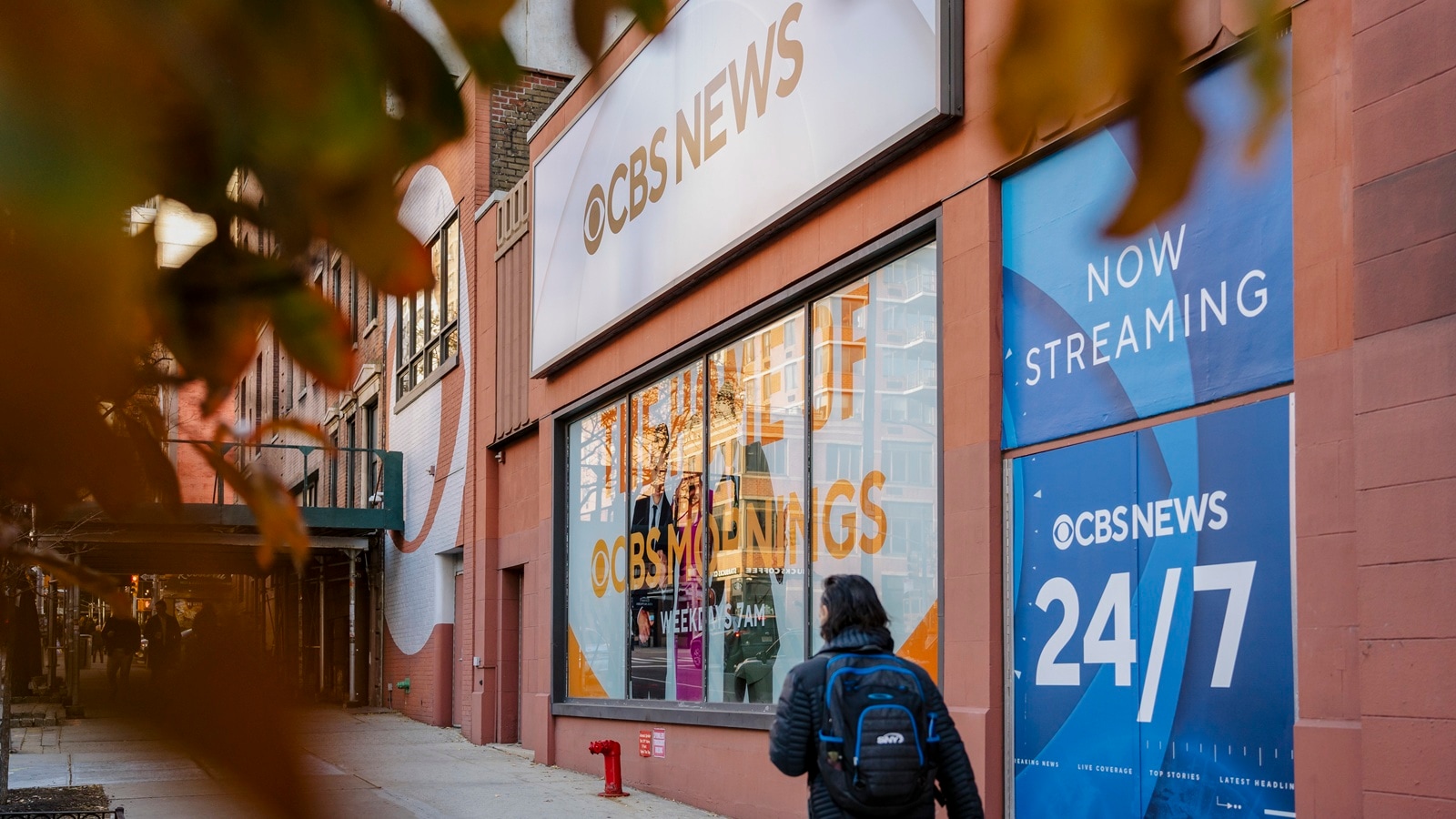
CBS News caused a controversy after it pulled a report from Sunday’s episode of the long-running news program that featured the stories of Venezuelan men who were deported by the Trump administration to a brutal prison in El Salvador. But the 13-minute segment, as originally edited by “60 Minutes” staff members, soon surfaced online in full.

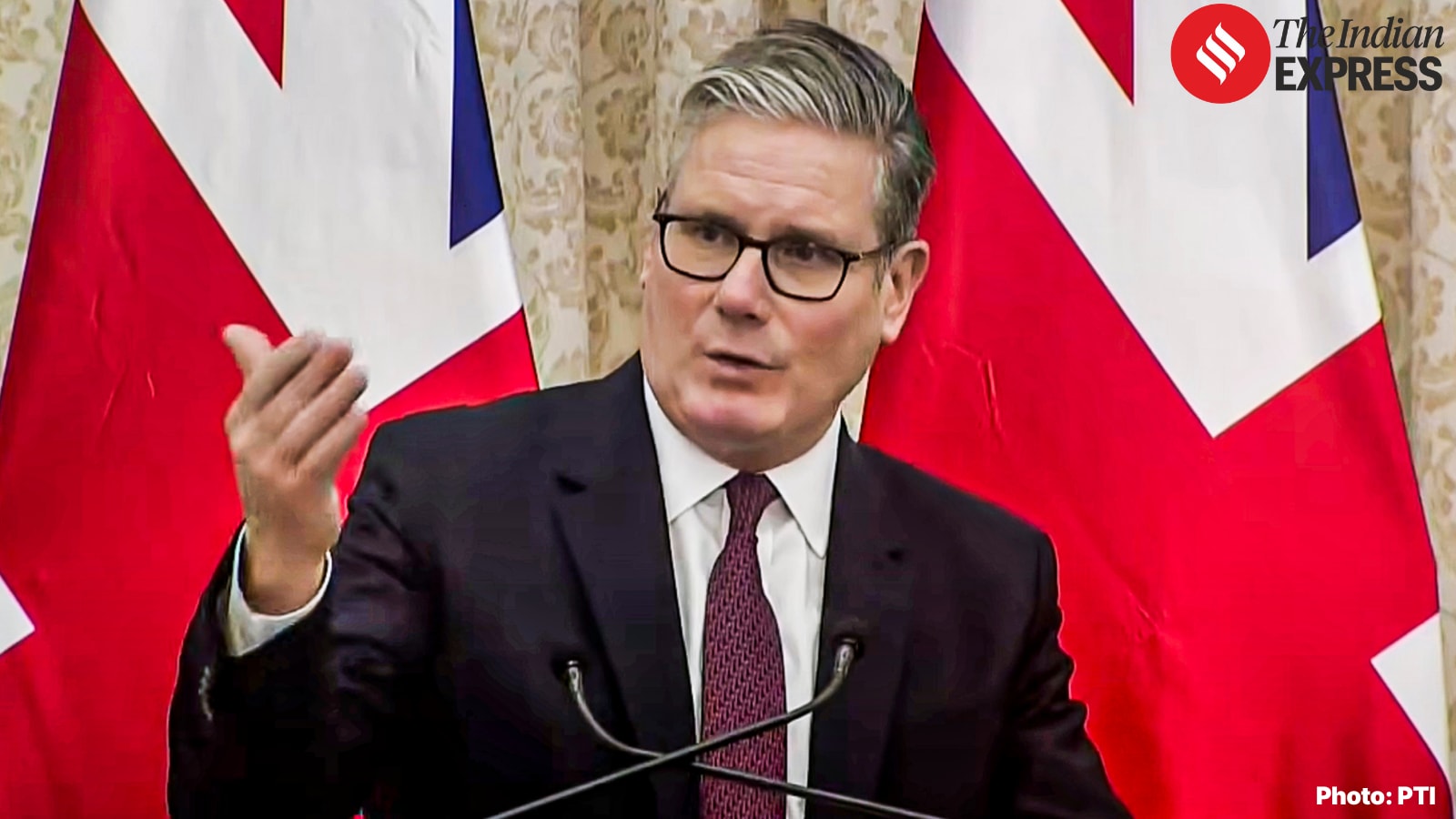
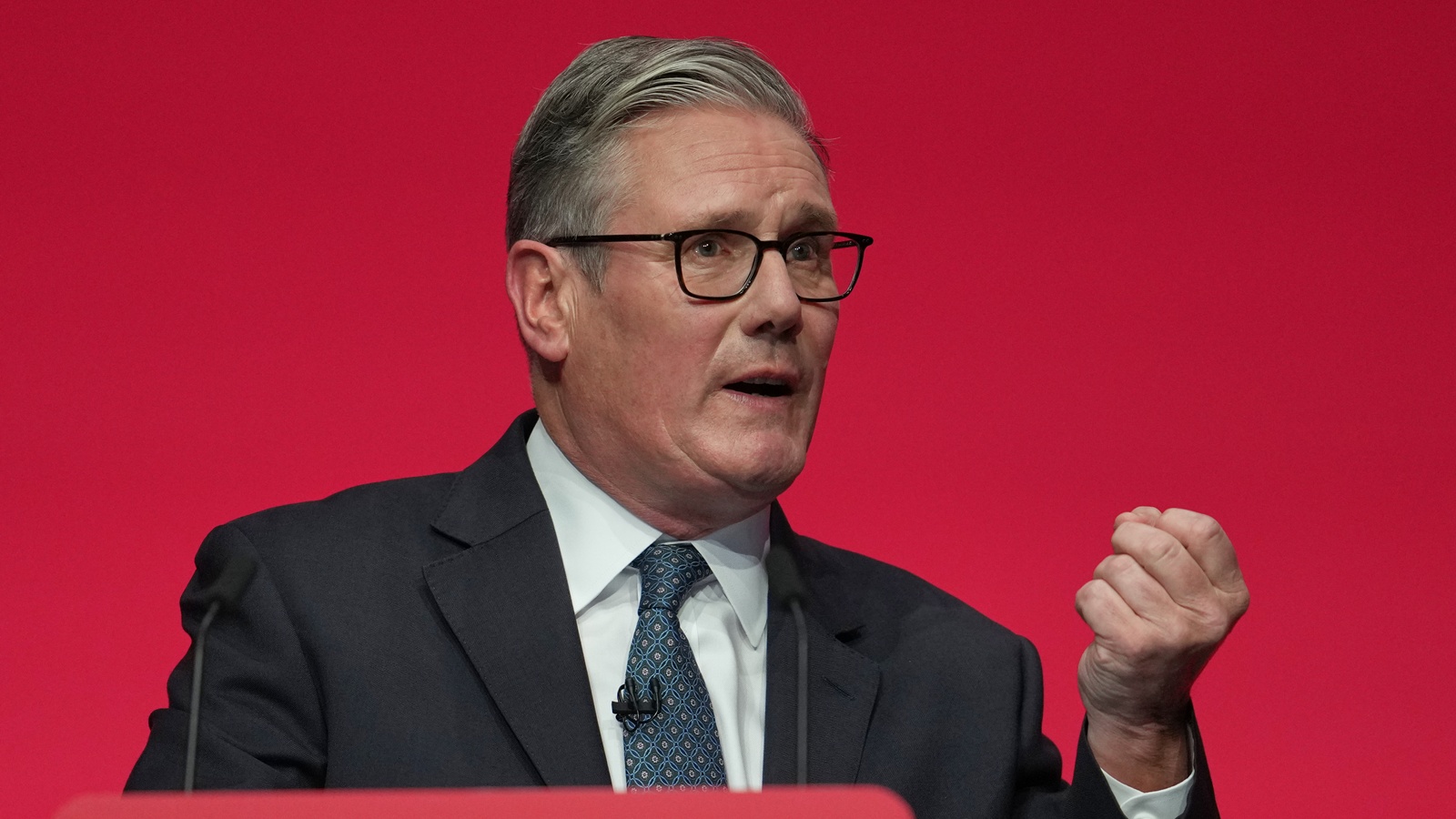
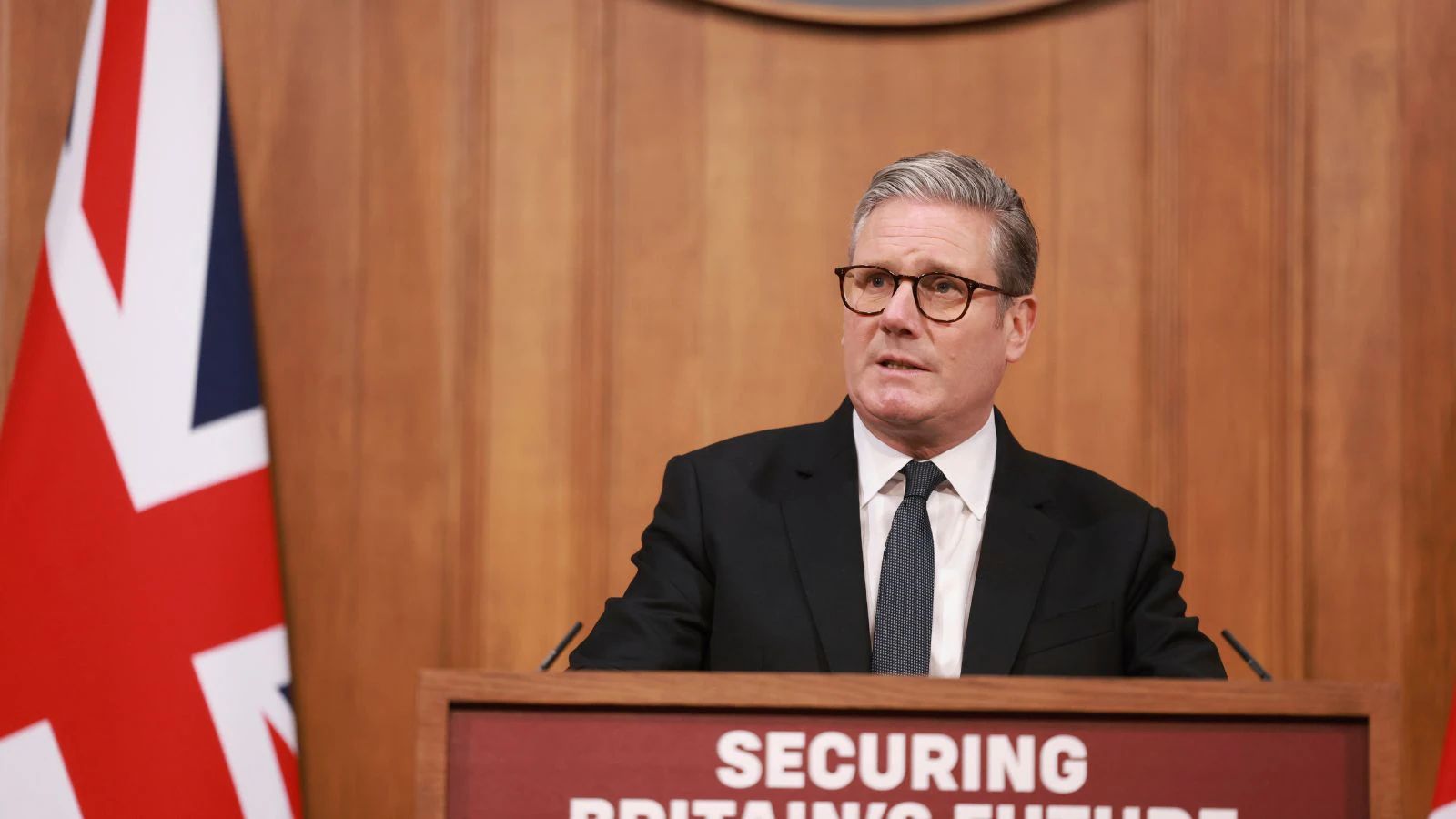
The last-minute change had already set off a political firestorm. Bari Weiss, the network’s editor-in-chief, said she postponed the segment because its reporting was flawed and incomplete.
Her critics — including the “60 Minutes” correspondent who reported the segment, Sharyn Alfonsi — saw it as an attempt by CBS to placate the administration. CBS is owned by David Ellison, a technology heir who is trying to acquire Warner Bros. Discovery in a deal that needs federal regulatory approval.
Now the viewing public can draw its own conclusions. After a Canadian television network briefly posted the video on its streaming app Monday, copies were quickly downloaded and widely shared on social media.
Story continues below this ad
“60 Minutes” is seen by an average of 10 million viewers a week, and it is not clear if the bootlegged version of Alfonsi’s report will eventually reach a similar audience.
But the fact that the segment is widely accessible has complicated an already challenging situation for Weiss, who is facing backlash from her newsroom. She joined CBS in October from her upstart news and opinion site The Free Press, with virtually no experience in broadcasting.
Weiss said on a Monday newsroom call that she postponed the “60 Minutes” segment “because it was not ready,” and that she looked forward to airing a new version. But with the original cut now public, any changes will be closely scrutinized for hints of political or ideological bias, possibly creating another flashpoint of her tenure. CBS’ parent company, Paramount, has sent cease-and-desist notices to platforms including YouTube, citing copyright infringement.
Weiss requested significant changes to Alfonsi’s report Saturday, less than 48 hours before it was set to air. She ultimately decided to postpone the segment and has pledged to broadcast the piece “when it’s ready.”
Story continues below this ad
But because of the last-minute postponement, CBS News had already transmitted a version of Sunday’s episode that included Alfonsi’s segment to the network that airs “60 Minutes” in Canada, Global TV.
A CBS News spokesperson said that by Saturday afternoon, CBS had advised Global TV to expect a revised version of the episode, which the Canadian network aired as intended Sunday evening. But Global TV, which did not respond to requests for comment Tuesday, posted the older version of the episode on its streaming app.
Viewers are now comparing Weiss’ suggested changes with the version circulating online.
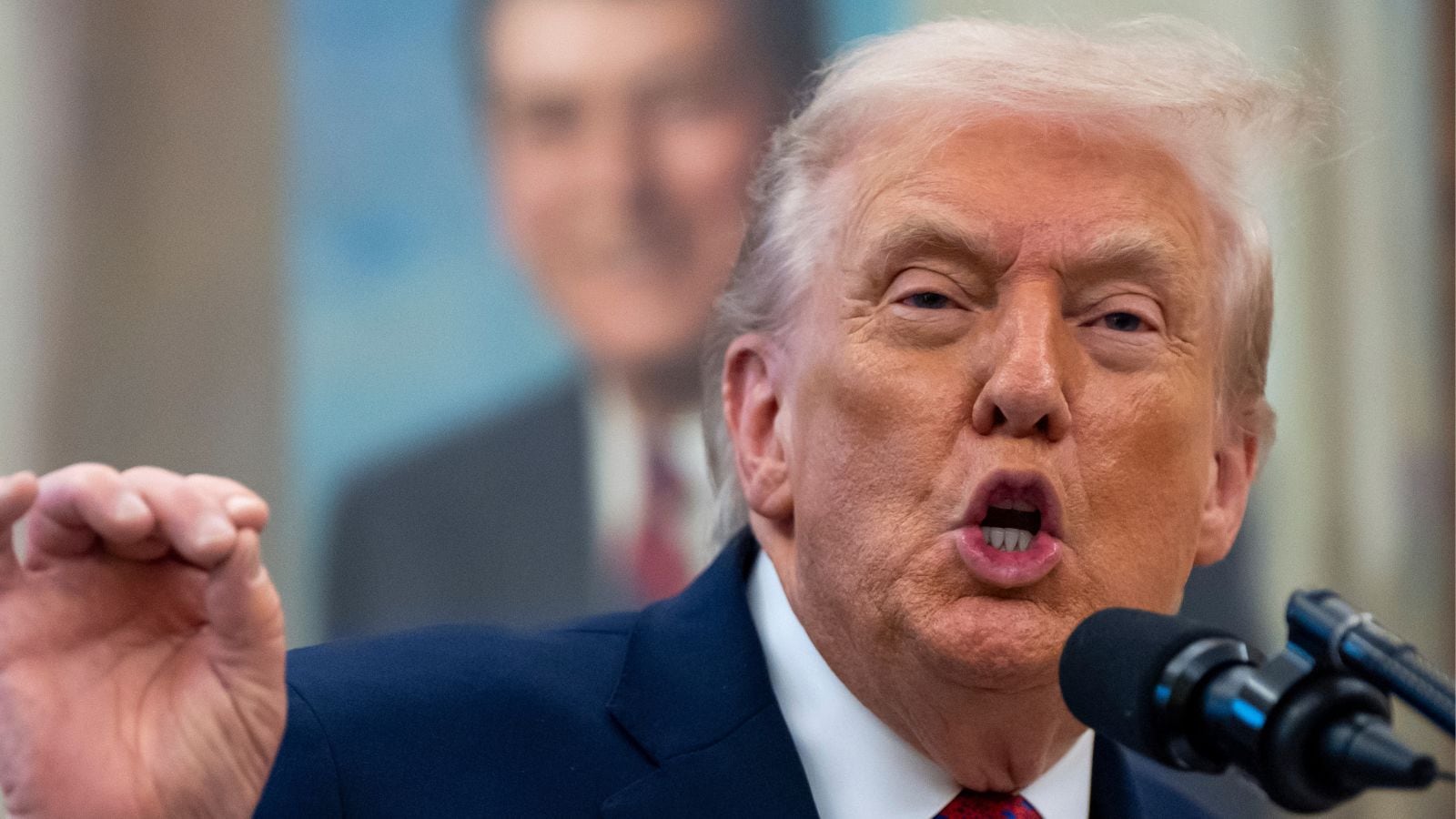
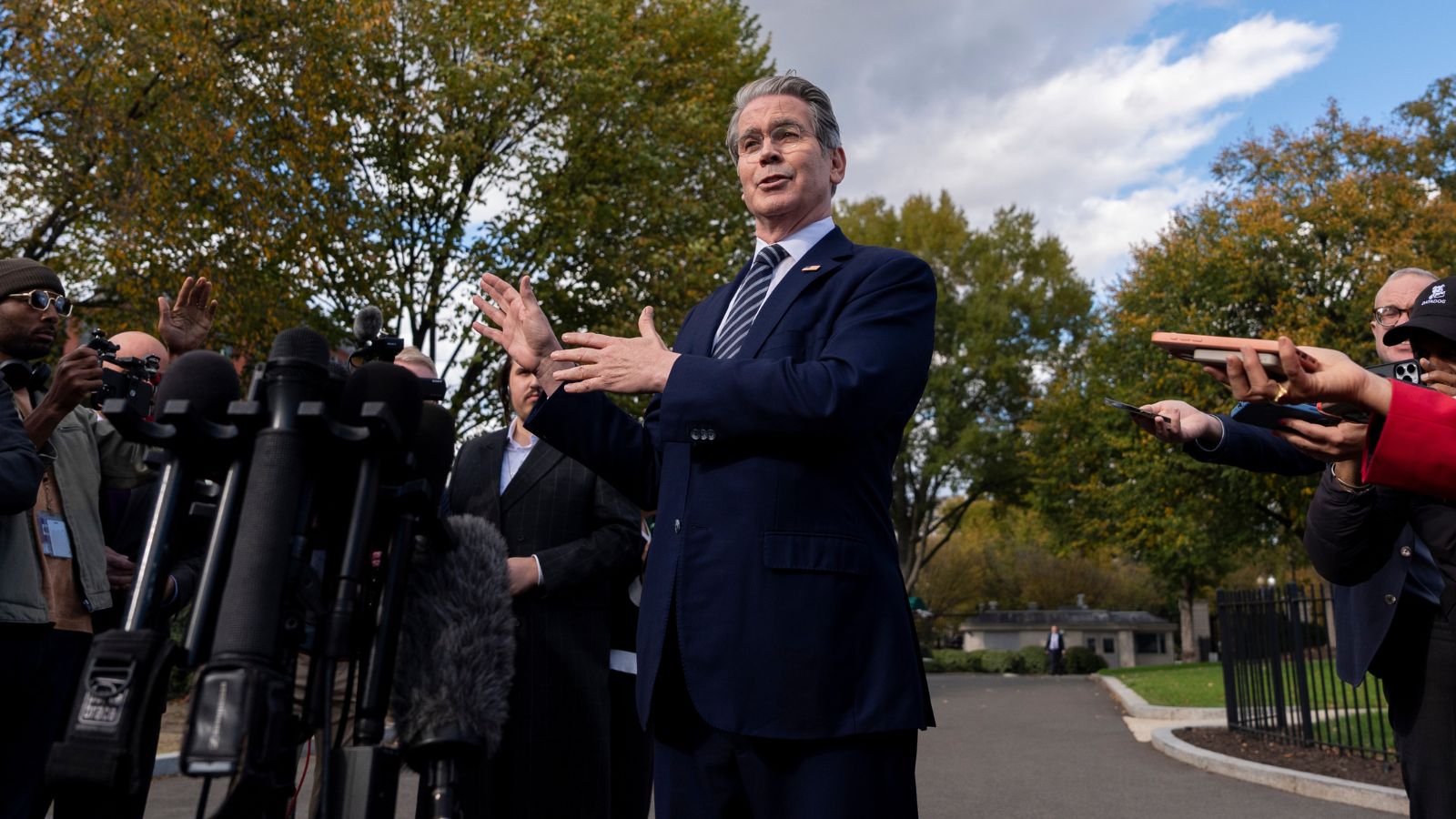
One of Weiss’ recommendations was to seek an interview with Stephen Miller, a White House deputy chief of staff who designed Trump’s immigration crackdown. “We need to push much harder to get these principals on the record,” she wrote in an internal memo to “60 Minutes” producers, which was reviewed by The New York Times.
Story continues below this ad
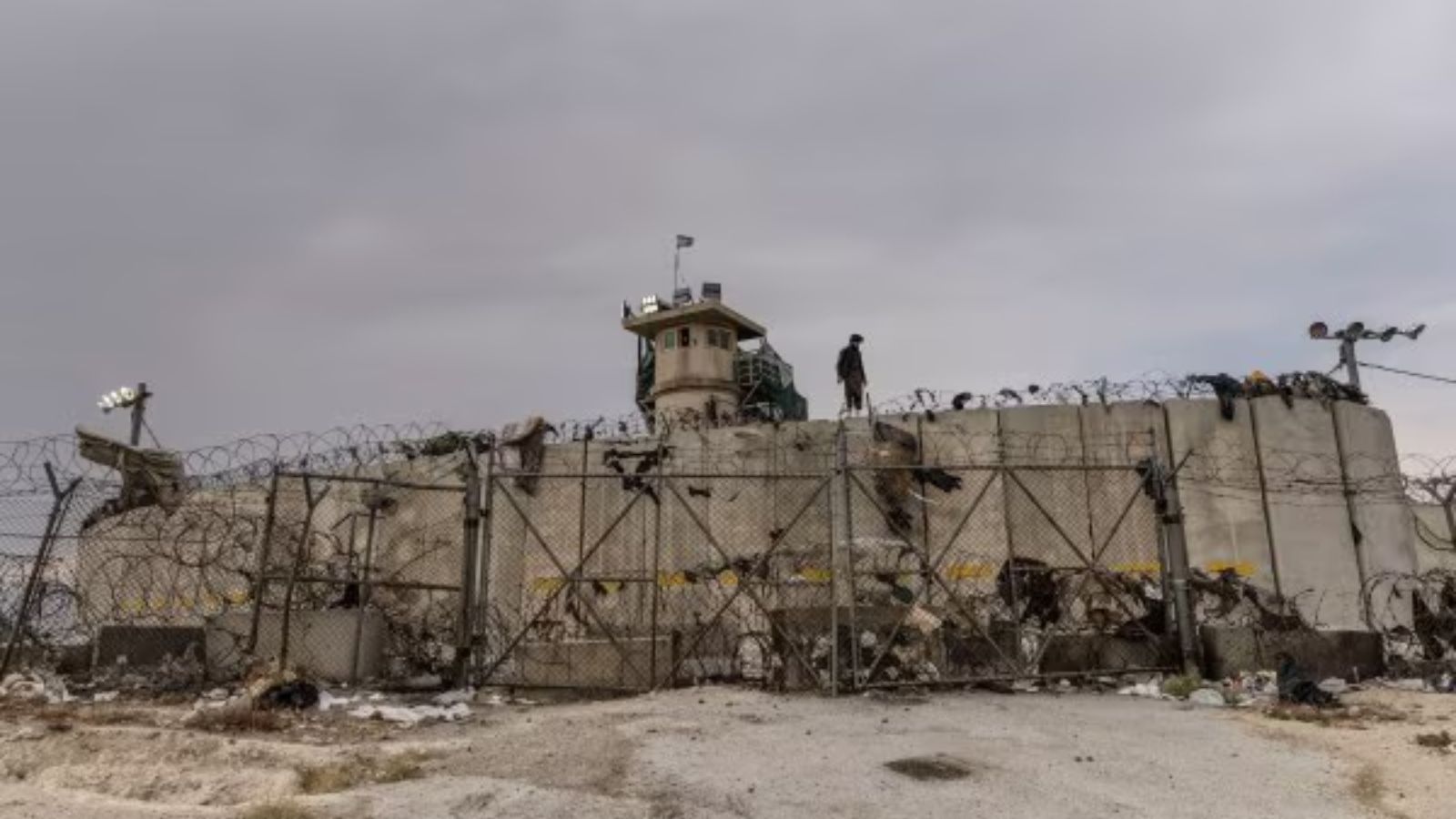
In the original report, Alfonsi tells viewers that the Department of Homeland Security “declined our request for an interview and referred all questions about CECOT to El Salvador.” (CECOT refers to the Terrorism Confinement Center, the Salvadoran prison where the Venezuelan men were held.)
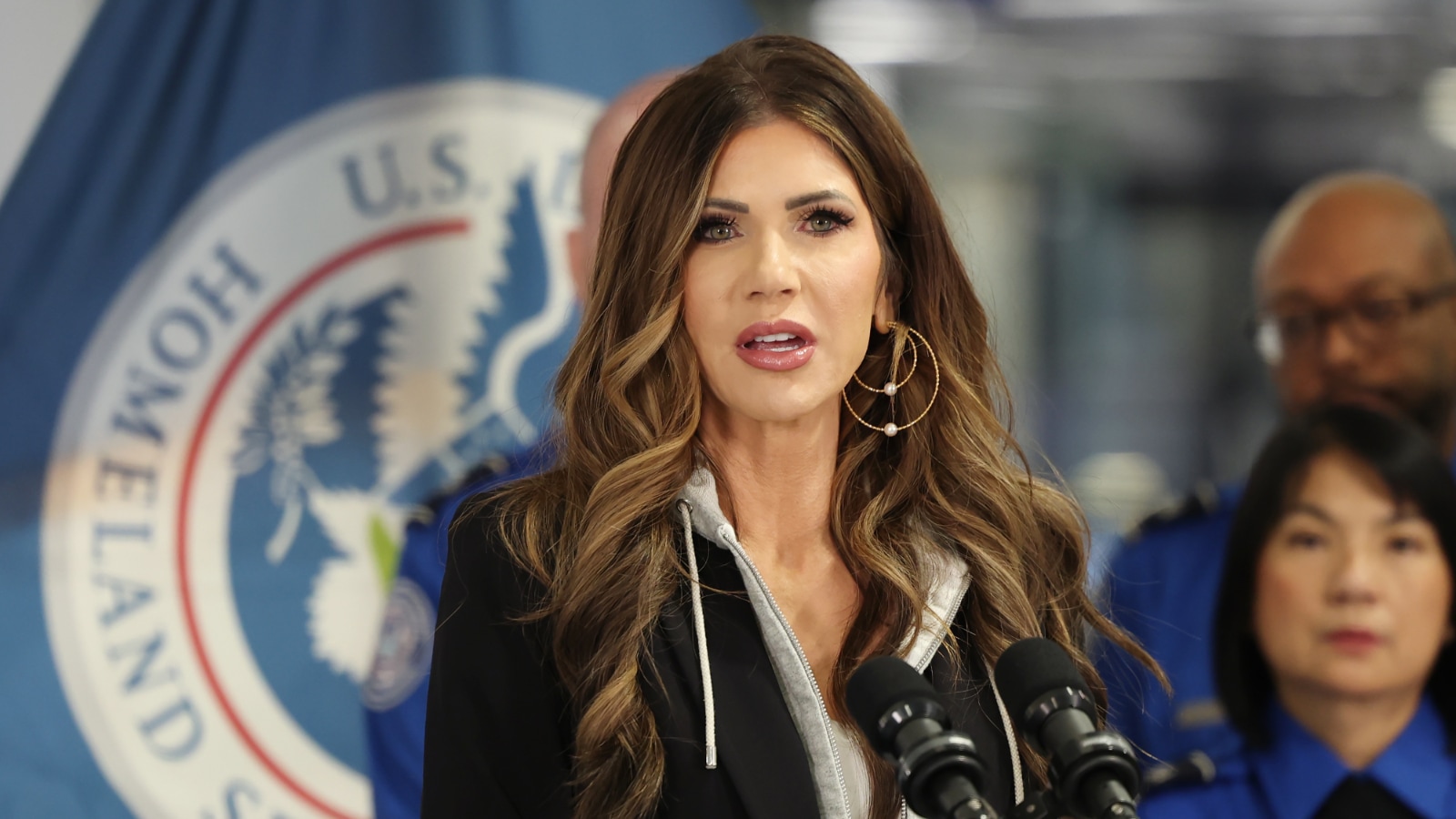
Alfonsi and her producer requested an interview with Homeland Security Secretary Kristi Noem in late November and did not hear back, according to a person familiar with internal conversations at CBS. The “60 Minutes” team made additional inquiries with Noem’s office, as well as with the White House and the State Department, the person said.
The White House did eventually respond Thursday, sending an email that read, in part: “60 Minutes should spend their time and energy amplifying the stories of Angel Parents, whose innocent American children have tragically been murdered by vicious illegal aliens that President Trump are removing from the country.”
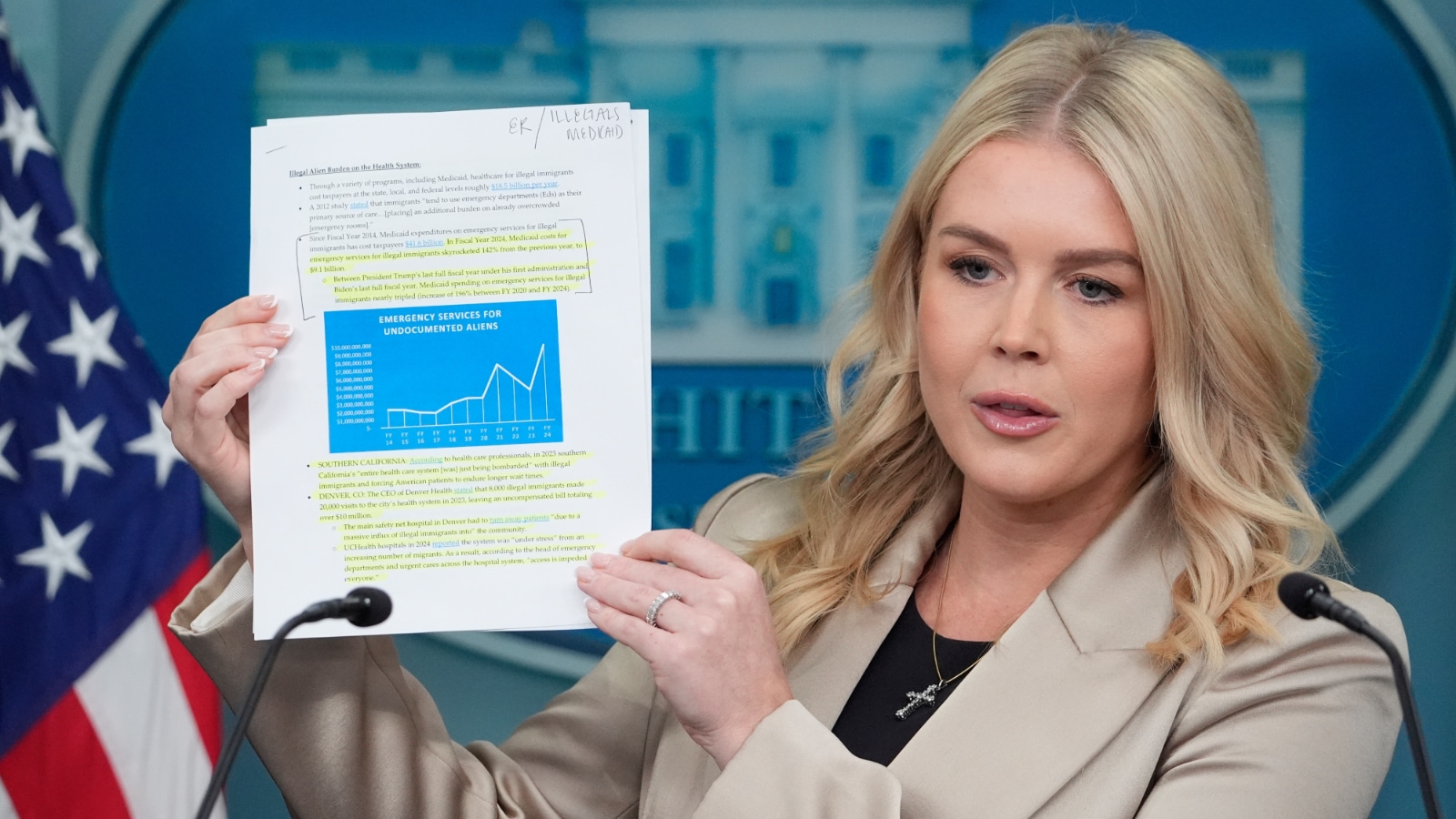
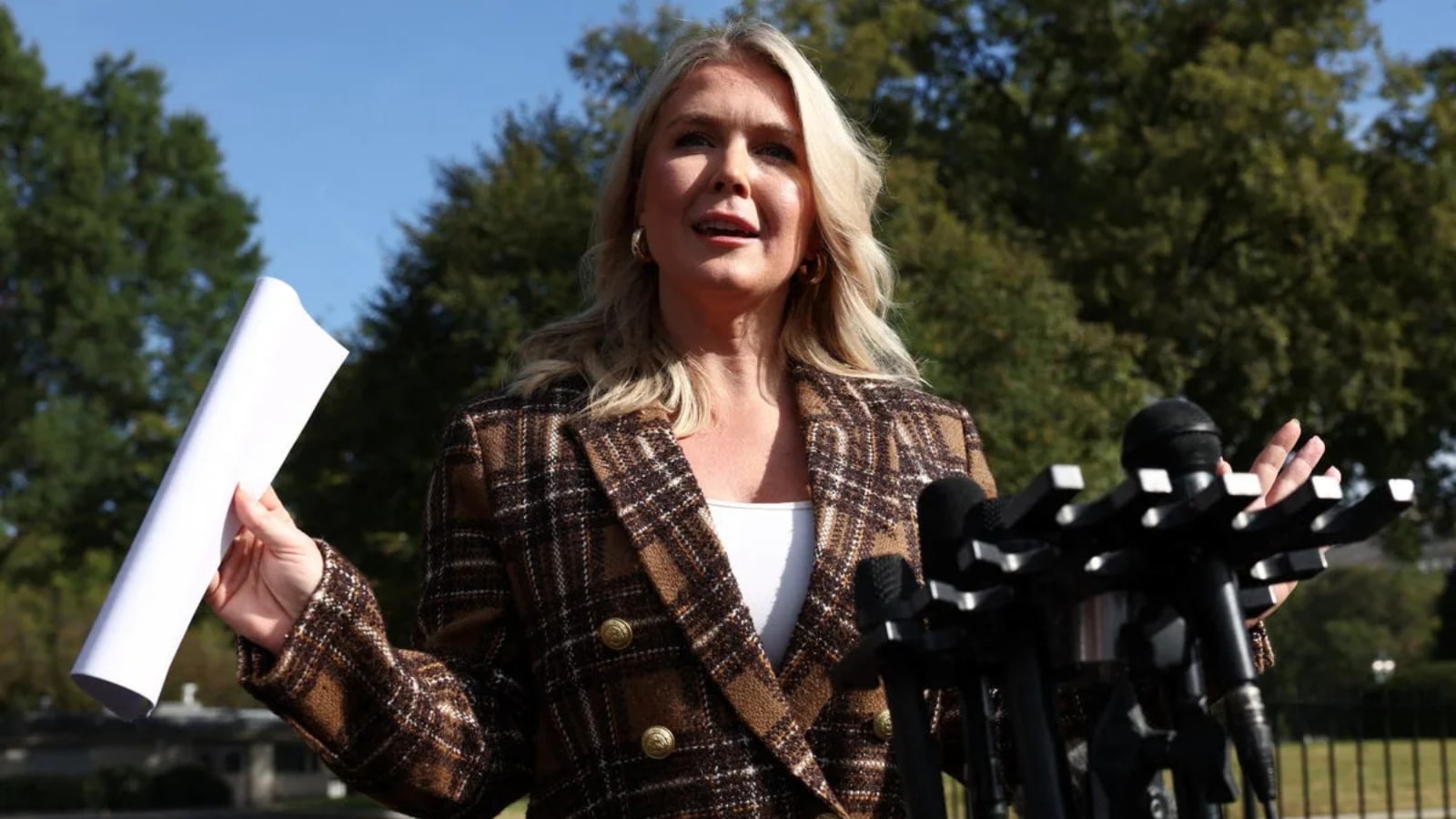
That comment from the White House does not appear in the original version of the “60 Minutes” segment. Instead, the producers included a clip of White House press secretary Karoline Leavitt speaking about the Venezuelan men at a news briefing in March.
Story continues below this ad
“These are heinous monsters, rapists, murderers, kidnappers, sexual assaulters, predators, who have no right to be in this country and they must be held accountable,” Leavitt says in the clip.
Another critique from Weiss concerned a two-minute sequence with students at the Human Rights Center at University of California, Berkeley, who had researched the Salvadoran prison. She said in her memo that the sequence was “strange.” Two people familiar with her thinking said that Weiss was confused about why the piece had prominently featured the Berkeley group.
In her memo, Weiss also told producers to collect more granular information about the criminal backgrounds of the deported men. In the segment, Alfonsi tells viewers that “nearly half had no criminal history,” and that government records showed that about 3% had been sentenced for a violent or potentially violent crime. Part of the segment describes the lengths that “60 Minutes” producers went to obtain the backgrounds of the men, given the patchiness of available records.
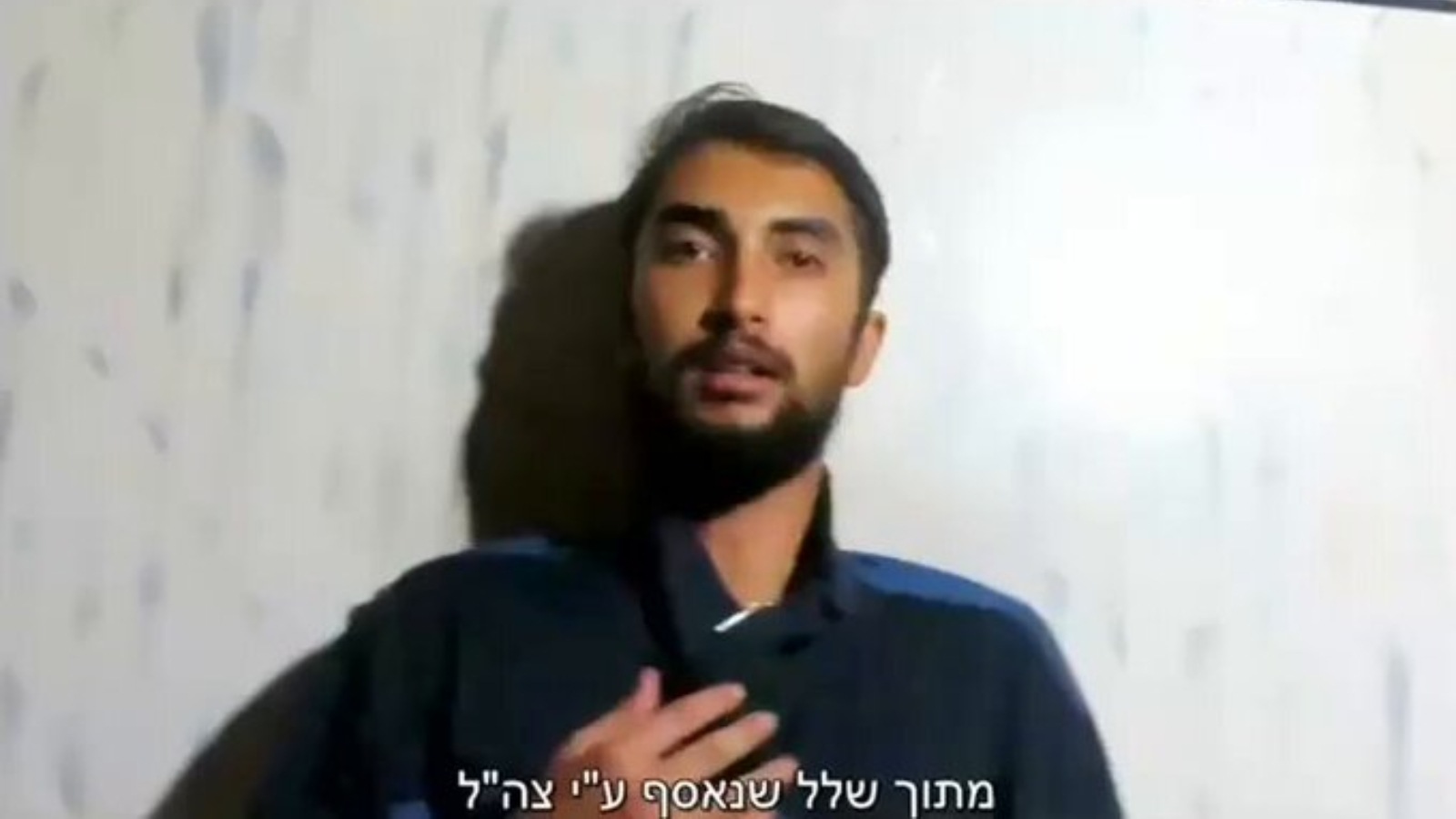
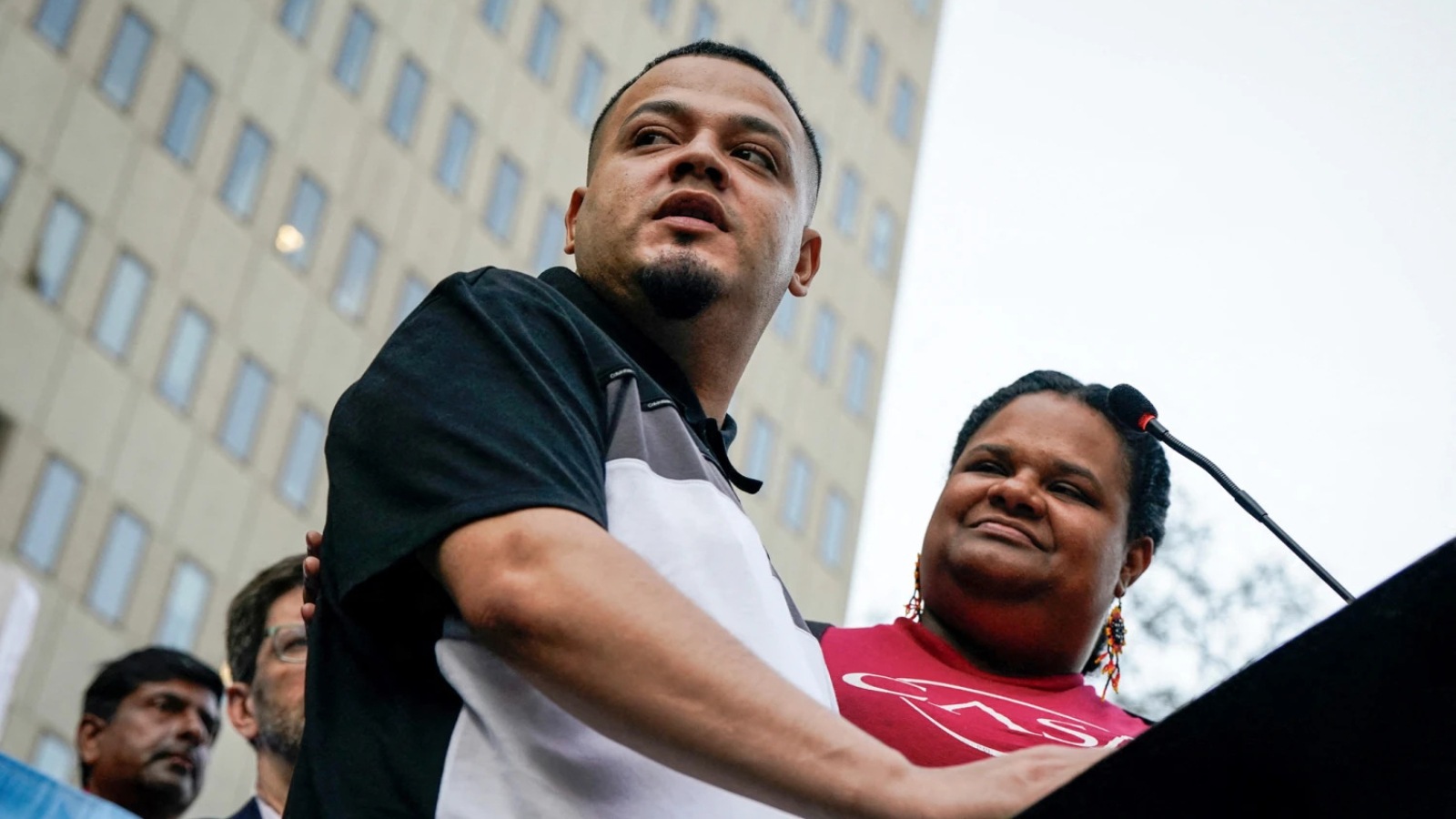
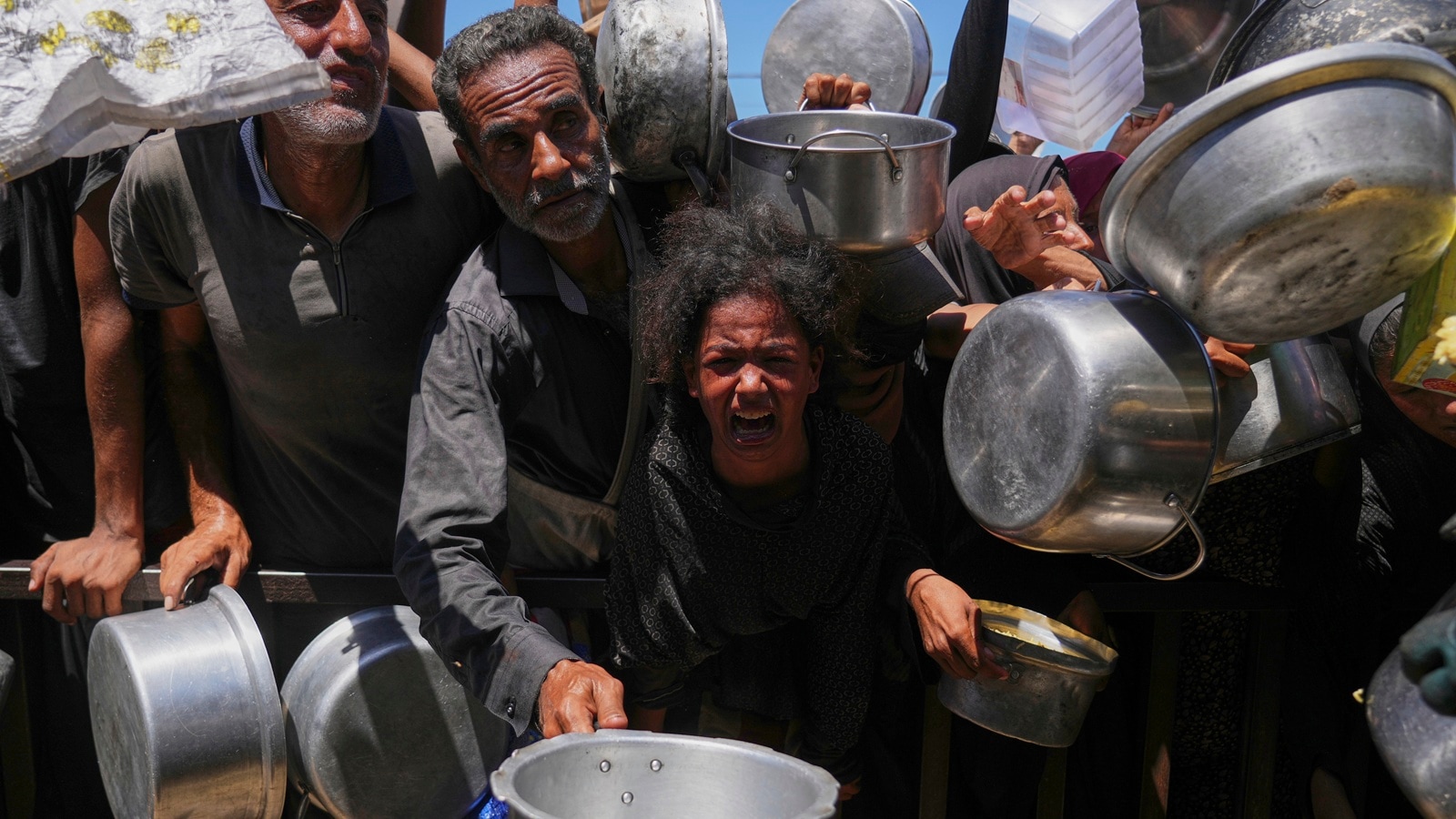
The main thrust of the report, however, is the ordeal of the Venezuelan men, who described being shackled, tortured and sexually abused in the prison. Two of the men speak extensively on camera about their experiences, with one describing a guard beating him and breaking one of his teeth. “‘Welcome to hell,’” he recalled a guard saying. “‘I’ll make sure you’ll never leave.’”
In her memo, Weiss described this testimony as “powerful,” but she said that CBS needed “to advance” the story beyond what other news outlets had already reported.
“We do our viewers the best service by presenting them with the full context they need to assess the story,” she wrote. “In other words, I believe we need to do more reporting here.”